
Humility – I tried to look humble and modest
“I consider myself as simply another person, just like those in the audience, same human being. So, I am just one human being talking to other human beings. Similarly, they should consider me as the same human being, with the same potential for constructive emotions. When we meet anyone, first and foremost we must remember that they, too, have the same desire to have a happy day, a happy month, a happy life. And all have the right to achieve it.” Dalai Lama
Both the Dalai Lama and Archbishop Desmond Tutu are not men who seek status and power, they are humble men.
The Dalai Lama recalls when he was young and had to give some formal teaching, he would get very anxious and nervous. He says it was because he would think of himself as someone special, which he says would make him feel isolated, which separates you from other people. He says,
“this kind of arrogant way of thinking creates a sense of loneliness and then anxiety.”
Archbishop Tutu tells a joke about false modesty:
“These three religious leaders were standing before the altar, beating their breasts with great humility, saying how, before God, they were nothing. Shortly, one of the lowly acolytes in the church approached and started to beat his chest, professing that he, too, was nothing. When the three bishops heard him, one elbowed the other and said, “Look who thinks he’s nothing!”
It is funny because humility is not something that you can claim to have.
They say that we just need to think of ourselves as a normal person, one human being out of 8 billion. When the Dalai Lama is with queens, kings, world leaders or beggars, he likes to remember that we are all the same.
“The Dalai Lama and the Archbishop were both insistent that humility is essential to any possibility of joy. When we have a wider perspective, we have a natural understanding of our place in the great sweep of all that was, is, and will be, This naturally leads to humility and the recognition that as human beings we can’t solve everything or control all aspects of life. We need others. The Archbishop has poignantly said that our vulnerabilities, our frailties, and our limitations are a reminder that we need one another; We are created not for independence or self-sufficiency, but for interdependence and mutual support. The Dalai Lama was saying that we are all born and all die in the same way, and at these moments we are totally dependent on others, whether we are a Dalai Lama or a beggar, whether we are an Archbishop or refugee.”
They suggest that we do not take anything too personally, and not take offense at anything that is happening.
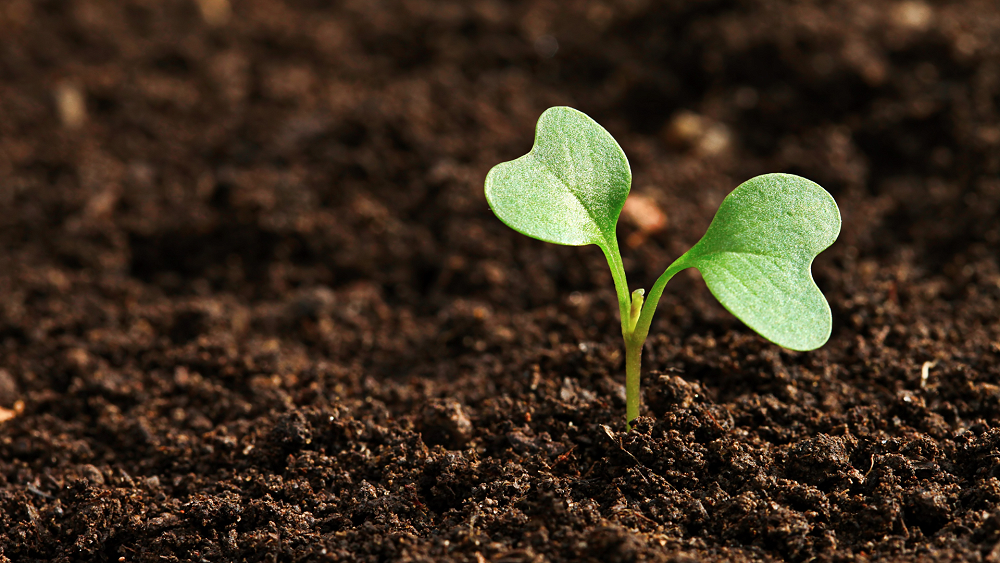
The word humility comes from the Latin word for earth or soil, humus, and can be translated as humble or grounded.
As humans, we are all too familiar with pride, ego, and arrogance, these traits are often masks that hide our fears and our insecurities.
“When we realise that we are all children of God,” explains the Archbishop,” and of equal and intrinsic value, then we don’t have to feel better or worse than others.”
He continues
“Humility is the recognition that your gifts are from God, and this lets you sit relatively loosely to those gifts. Humility allows us to celebrate the gifts of others, but it does not mean you have to deny your own gifts or shrink from using them, God uses each of us in our own way, and even if you are not the best one, you may be the one who is needed or the one who is there.”
And the Dalai Lama reminds us that “too much focus on yourself leads to fear, insecurity, and anxiety. Remember, you are not alone.”
Humility is not thinking less of yourself, but thinking of yourself less. - C.S. Lewis
When we have humility, we can laugh at ourselves. Both these men describe the importance of a proper sense of humour, and especially the ability to laugh at our own foibles, as essential to the cultivation of joy.
Below is the next exercise in finding your Joy. It is quite a humbling exercise to look back at those who came before you. I often think of one of my ancestors Susannah Mutton my great great grandmother; she left Cornwall as a newlywed 18-year-old and arrived in Lyttelton in March 1851 on the Isabella Hercus aged 19 along with her husband Thomas to begin their new life in Lyttelton, Thomas was a builder and Susannah was the homemaker. She went on to have five children then at aged 26 she died in childbirth. Only one of those five children lived to adulthood, William Mutton, my great-great-grandfather. I sometimes wonder what she was like, how much am I like her, and what traits of hers do I have? Susannah Mutton, along with a great many other ancestors, helped shape me. It is rather remarkable really to think about yourself, not as a single entity but as part of a great line of ancestors.
Humility – A Long Practice
Humility helps us to remember our common bond with others. It helps us to avoid isolation, judgment, and indifference. It helps us remember that we are equally beloved children of God, as the Archbishop would say, and to remember that we are just one of the 8 billion people on the planet. It helps us remember that we are all in it together.
- Reflect on all the people who are responsible for your life.
Think of your parents, who gave you life, your teachers who taught you, the people who grew your food and who made your clothes, the countless others who are responsible for your having the life that you have each and everyday. Now think of all those who discovered and created all the things we take for granted, the housing, the crops, and the medicines that keep you alive. Think of all the ancestors who had to live, and survive, so that you could be born, who braved enormous hardship so that you could have the life you do. Now think of the family and friends who give your life meaning and purpose.
- Allow your heart to open and experience love and appreciation for all of these people.
Experience the enormous joy and appreciation that comes from being in touch with all that has been given to you, in realising how dependent we are on others, how weak in our separateness and yet how strong in our togetherness.
"Be like the Bamboo: the higher you grow, the deeper you bow." Old Chinese Proverb
* Reflections from “The Book of Joy: Lasting Happiness in a Changing World” written by His Holiness the Dalai Lama and Archbishop Desmond Tutu, with Douglas Abrams.