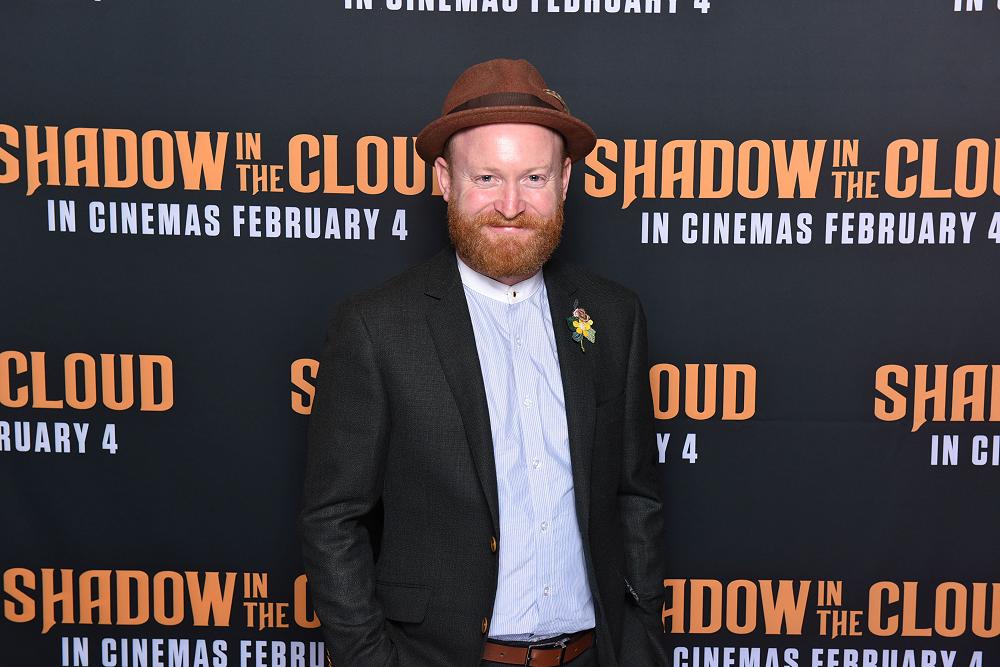
Profile: Byron Coll (1998-2002)
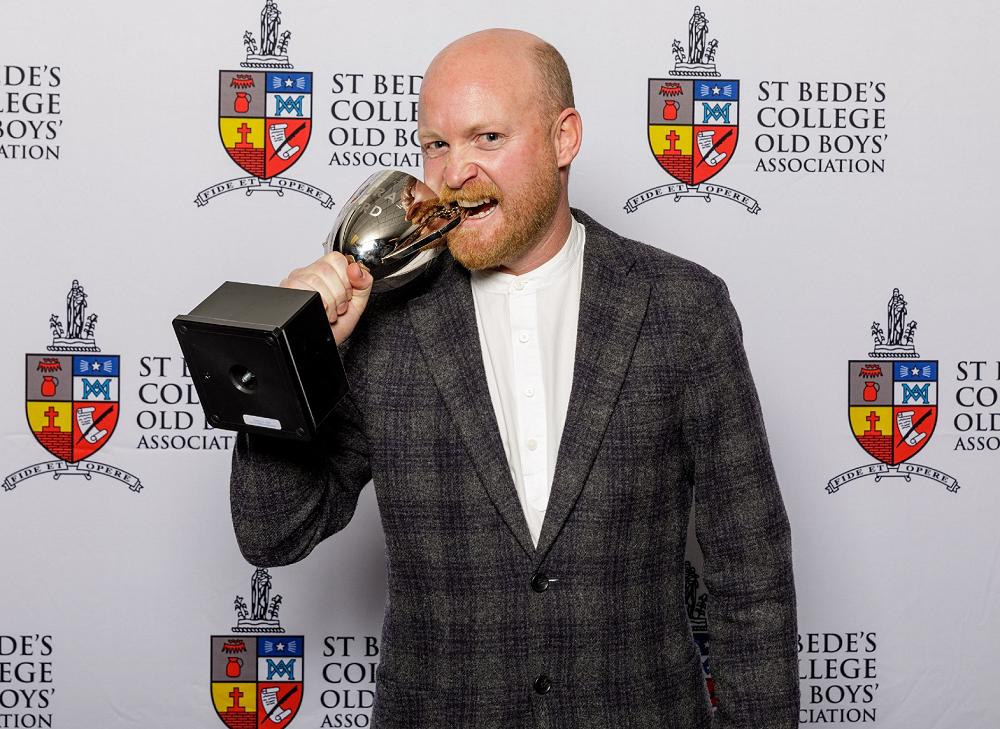
Actor, photographer, and our 2025 Cultural Award recipient.
Byron has carved out a remarkable career as one of New Zealand’s most versatile and in-demand character actors. A graduate of Toi Whakaari: New Zealand Drama School (2007), Byron has spent nearly two decades working across stage and screen in both New Zealand and Australia, earning recognition for his ability to bring depth and originality to every role.
From acclaimed performances in major international productions such as The Luminaires, Top of the Lake, and Netflix’s Cowboy Bebop and La Brea, to feature films including Muru, Nude Tuesday, and One Winter, Byron continues to demonstrate the range and skill that have made him a sought-after collaborator by celebrated directors including Jane Campion, Rachel House, and Taika Waititi.
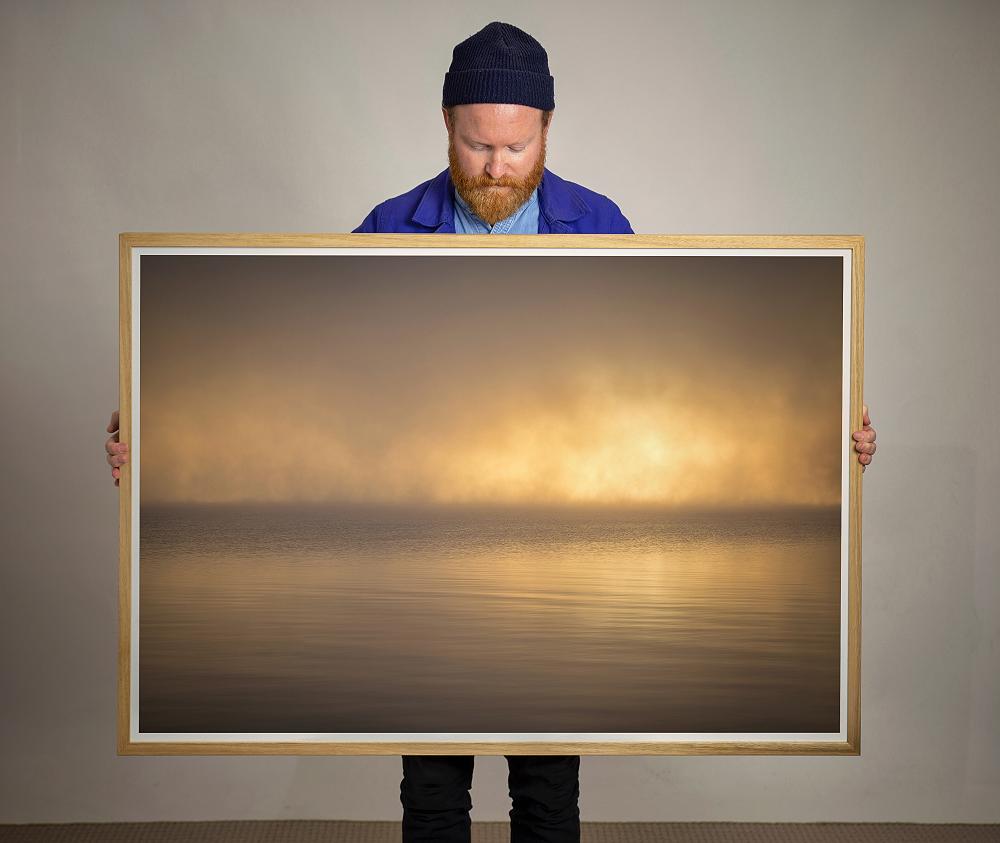
Beyond acting, Byron is also an accomplished photographer, named one of Australasia’s Top 20 emerging landscape photographers by Capture Magazine. With accolades spanning theatre, film, television, photography, and digital media, his artistry and adaptability embody the spirit of the S.B.C.O.B.A Cultural Award.
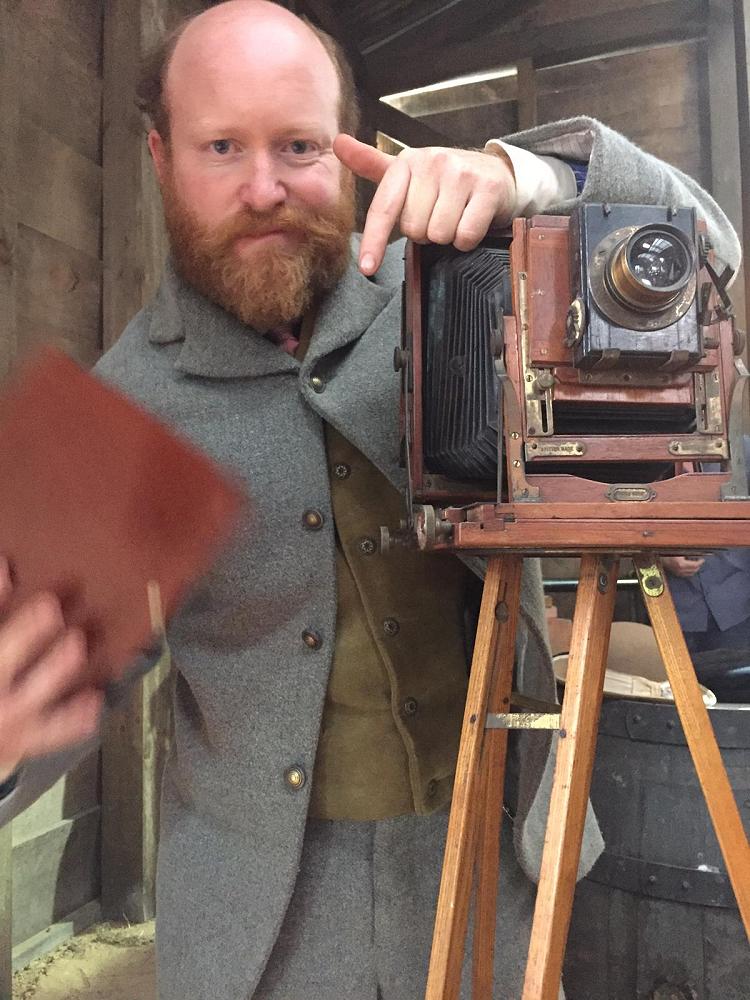
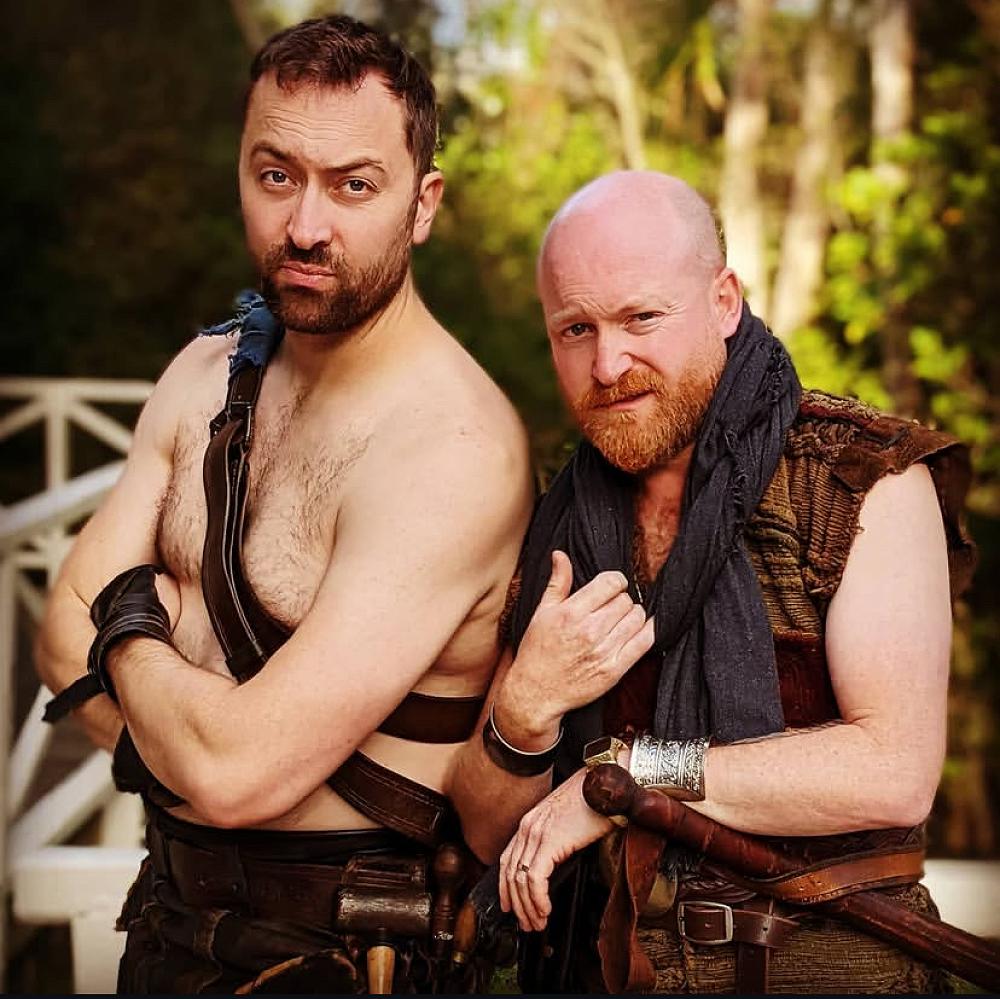
In his own words, Byron reflects on his journey from St Bede’s to an international career on stage and screen..
What are some of your most memorable moments from your time at St Bedes?
Some of my best memories at St Bede’s are tied to being in a little rock band and hanging out with a bunch of mates who were into music and the arts. We were never really that great, even though we thought we were at the time, but back then the school was almost solely sports-focused, so doing something different like that felt like our little rebellion. But it was such a good challenge, and it brought our little clan of misfits closer together. We made it to the regional Rockquest finals though! And played alongside Stereogram (showing my age there!), which was about as far as we got on that little success ladder. Heh!
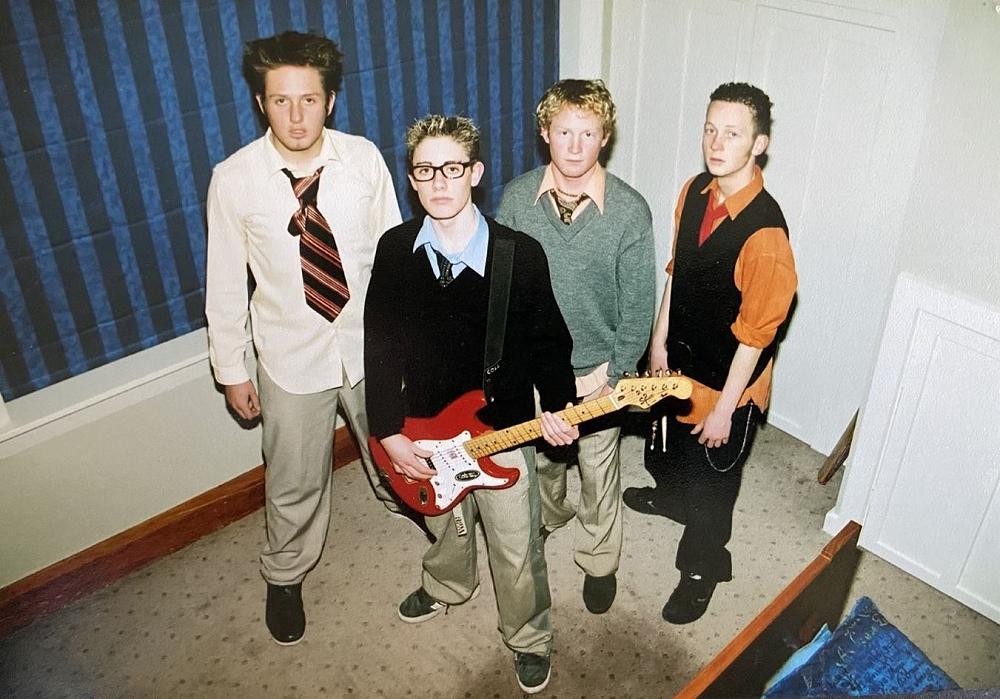
I remember countless lunch breaks crammed into the stinky, carpeted walls of that windowless band room at the back of the school hall. It was probably the size of a small cleaning closet, but we loved every inch of it. We’d eat/trade our lunches, talk rubbish, make up songs, jam out some tunes, and just let loose. That space became a little sanctuary where we could just be ourselves with no judgment and feel free to create what we thought at the time was filthy ball-busting punk.
Looking back, those moments planted a seed that’s still with
me today, the desire to make something from the heart. Whether it starts as a flicker of an idea or a random jam session, it’s about building it into something bigger. And sure, whether it’s actually any good is always up for debate, but the passion for creating is as strong now as it was back then.
What inspired you to pursue acting, and what was your journey like to get to where you are today?
My journey into acting started in a pretty unexpected way. A couple of my mates at school had this brilliant scheme to earn school pockets for our 7th Form blazers by working the system. They decided we could score them by entering the Sheilah Winn Shakespeare Festival, which also gave us some time out of class. They needed another actor and, probably as a last resort, asked me one lunchtime if I’d give it a go.
I wasn’t great at English, and Shakespeare was like a foreign language to me, but I thought, why not? That one “yes” took me on a wild ride through the regional and national Shakespeare festivals. Eventually, I was chosen as one of 21 students to join the SGCNZ (Shakespeare Globe Centre New Zealand). We got to travel to London and learn from the masters in theatre and perform on The Globe stage, working with some of the absolute best in the business. I even got to work alongside Mark Rylance, who, to me, is nothing short of a theatre god. Look him up, he’s one of them famous people!
That experience gave me the acting bug. Bad. After school, I started a BA in film studies at Canterbury University, but it just didn’t click. I bailed and spent a year at Hagley Drama School, which was a total game-changer. From there, I made the leap to Toi Whakaari: NZ Drama School, where I finally earned my degree in Performing Arts.
Looking back, it’s crazy to think that it all started with a couple of mates scheming for a school pocket. But that one choice to give it a shot set me on a path I’m still loving today. And hey, I managed to snag the role of 7th Form Cultural Prefect because of it. Whoop!
What were some of the biggest challenges you faced early in your career, and how did you overcome them?
In a career like mine, challenges are part of the job, and one of the biggest ones is the constant question after finishing a film, show, or series: “Where the hell is my next paycheck coming from?” In New Zealand, where the arts are perpetually undervalued and underfunded, this challenge looms large. It’s a reality I don’t think we'll ever fully overcome, and despite the lack of support, everyone still craves good storytelling and entertainment at the end of the day, it’s a strange paradox.
So this ongoing struggle has forced me to think creatively about how to navigate the gaps between acting jobs. I’ve been lucky to develop a skill set outside of acting that helps me stay afloat and stay creative. Photography became a natural extension of my artistic eye, and I’ve turned it into a steady side hustle, earning income through commissions and selling prints.
I also run a small videography company, which provides a much-needed creative outlet when acting work slows down. It’s been incredibly fulfilling to produce work I’m genuinely proud of while also giving me another source of income to keep me above water during the quieter seasons.
For me, these challenges have been less about “overcoming” and more about adapting. They’ve pushed me to expand my creative toolkit and find ways to keep telling stories, whether through acting, photography, or videography.
Could you share a memorable role you’ve played and explain why it stands out to you?
I’ve had the privilege of working on some incredible projects throughout my career, including playing alongside Mark Wahlberg in the upcoming film Play Dirty, Taika Waititi’s Klara and the Sun, Apple TV’s Time Bandits, Amazon’s second season of Deadloch, and Apple TV’s Tenzing, which we’re currently filming in Kathmandu and also back home on the slopes of Aoraki/Mt Cook.
I’m also a core member of New Zealand’s biggest YouTube channel, Viva La Dirt League, where we create comedy skits around the world of gaming. On top of that, I had the unforgettable experience of playing the All Blacks’ greatest fan alongside Richie McCaw in the Mastercard commercials. Dan Carter even joked, “You might be one of the reasons we won the World Cup in 2011. Your morale gave us a big boost!”—true story!

But one role that truly stands out for me is playing Mark Briggs in the New Zealand film Field Punishment No. 1. Mark was a conscientious objector during WWI, and diving into his story had a profound impact on me. Through my research for the role, I came to really understand the incredible courage it took to stand against the tide in a time of war. What struck me even more was discovering that my own family, from the West Coast, had a lineage of conscientious objectors. These men weren’t cowards, they were some of the toughest, most principled people I’ve ever encountered. Their unwavering conviction in their beliefs, even in the face of immense pressure and punishment, is something I deeply admire.
In today’s world, where division and conflict seem so pervasive, I think about men like Mark Briggs and my ancestors. Their steadfast commitment to respecting humanity and differing beliefs gives me hope. It reminds me that even in the darkest times, there’s strength in holding onto values that prioritise compassion and understanding.
You’ve worked on a variety of projects, from movies and stage shows to TV series and ads, as well as photography. What has been the most rewarding part of your career so far?
The most rewarding part of my career has definitely been the simple fact that I get to keep doing what I love. It might sound cliché, but clichés only exist because they’re true. I’ve never been one for a nine-to-five office job, and “working for the man” isn’t really my thing either. The Arts are where I feel at home. Sure, it comes with its fair share of challenges self-doubt, waiting for the next gig, constant rejections, and trying to make something out of practically nothing—but honestly, the best part is looking back at the work I’ve been part of and feeling proud of it.
Whether it’s making people laugh, cry, or even get a little frustrated, knowing I’ve helped create something that makes people feel, that’s what makes it all worth it. Art, in whatever form it takes, has this amazing ability to make people think, push their boundaries, and maybe even open their eyes a little. I’m just stoked to be part of that world.
I honestly believe that creativity is what shapes us all. We all have it, we just need to give ourselves the freedom to let it out, even if it doesn’t always come out perfect. It’s the act of being creative that’s the real reward.
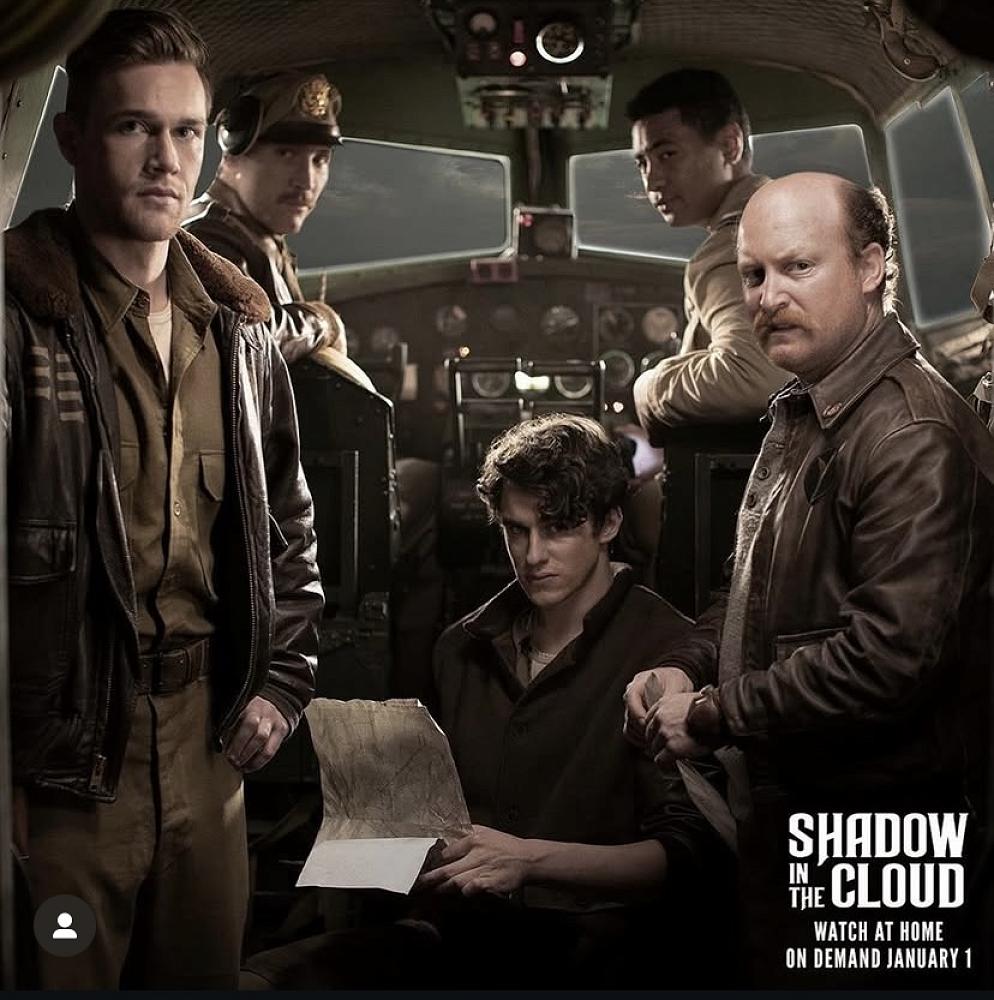
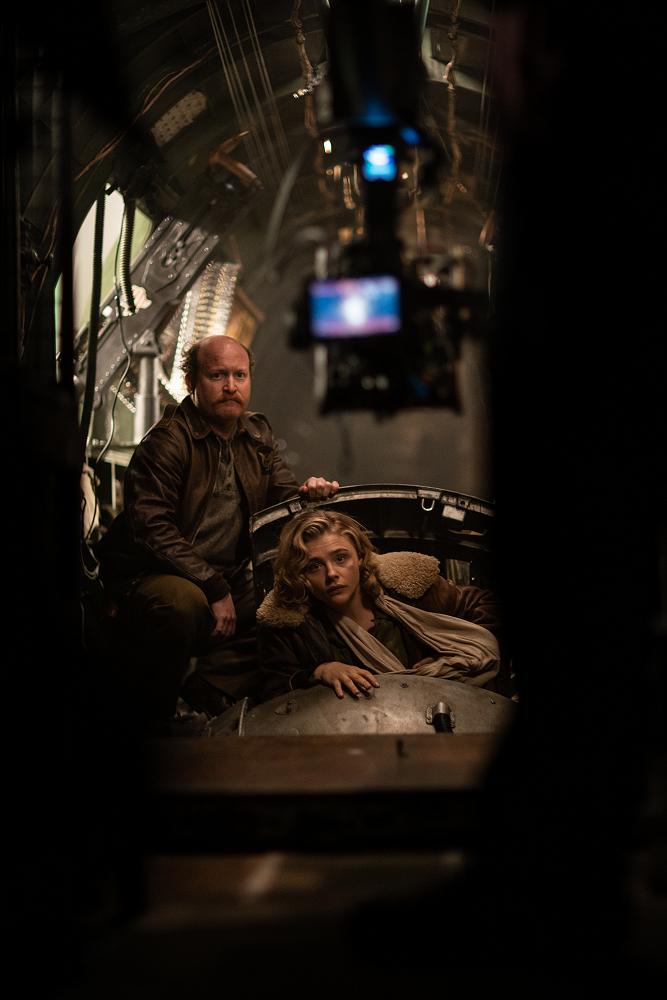
How does your approach to photography differ from acting and do you find that on art form compliments the other?
My approach to photography and acting definitely differs, but in many ways, they complement each other. Acting is all about becoming someone else, stepping into their shoes, and expressing emotions or thoughts that may not be your own. It’s about deep connection with the story and the characters, and often, it’s a highly collaborative process where you're feeding off other actors and the director’s vision.
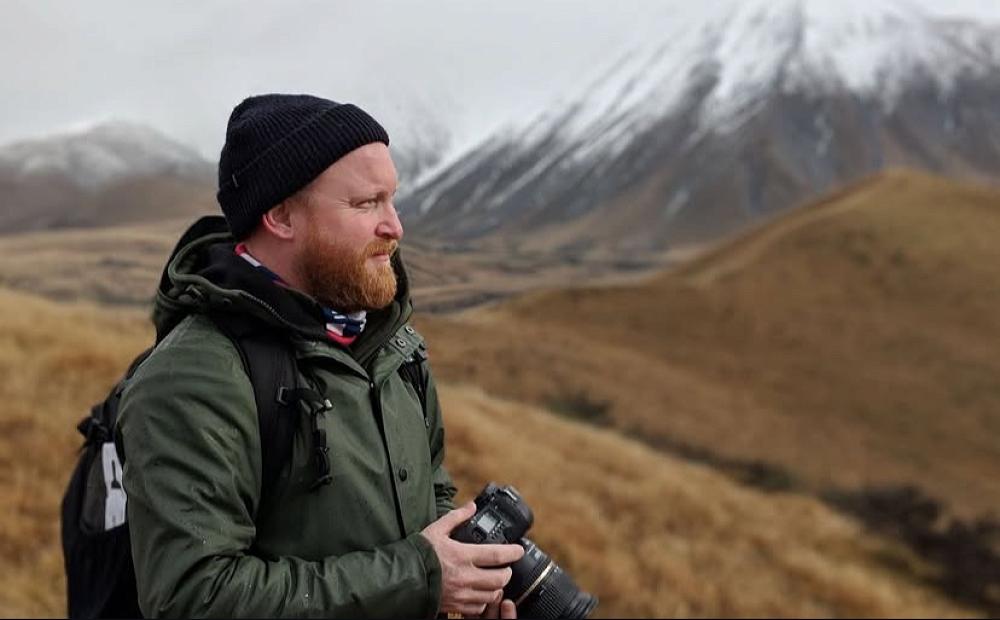
On the other hand, photography is a more solitary experience for me. It’s about capturing a moment, finding beauty in the world around me, and framing it in a way that tells a story. I’m the one controlling the narrative, deciding what to focus on, what to leave out, and how to communicate something visually. It’s also a much slower process; with acting, you’re often rushing through scenes and working under pressure, but with photography, I can take my time to find the right angle, lighting, and moment.
That said, there’s definitely a symbiosis between the two. As an actor, I’ve learned to be more aware of body language, posture, and expression, and that translates into how I capture people’s emotions in photography. Similarly, my experience behind the camera has made me more conscious of how I present myself on screen. Being aware of the way light falls, how different settings influence mood, and how visual storytelling works has enhanced my acting as well.
Ultimately, both are creative outlets for me, and I think they help feed and inspire each other. Acting gives me a greater understanding of human expression, while photography allows me to observe and reflect that expression in a new way.
What advice would you give to students wanting to pursue a career in acting, photography or both? Are there skills or lessons from one field that help with the other?
Honestly, I don’t feel particularly qualified to give advice on an industry so unique to each person, but at the very least here’s what I’ve learned along the way:
- First, stick with it. It’s a tough road, but like anything, if you keep pushing forward, the rewards can be huge. Whether it’s acting, photography, dance, or anything else, persistence is key, even through rejection and setbacks. It’s the hard times that make the wins feel that much sweeter.
- Collaboration is everything. Both in acting and photography, you’re constantly working with others and adapting to the situation. Honestly, I think that applies to almost anything. Collaboration is where the magic happens, especially in a world where machines are inevitably taking over everythingwe do.
- Most importantly, be brave. Take risks, step outside your comfort zone, and don’t let fear hold you back. As one of my favourite actors, Mark Rylance, says, "The moment you take a risk, you find that fear is not the obstacle, it’s the bridge."
- And above all, create. Don’t wait for the “perfect” moment, just start, share your work, and trust your voice. The feeling of seeing your ideas come to life is incredibly rewarding. And if you find out afterwards that it might not be for you. At least you went have the regret of not giving it a shot!
Sidenote - Along the way, you’ll meet some amaaaazing people who will become lifelong friends. It’s a tough journey, no doubt, but it’s one that in my view, is definitely worth it.
Looking ahead, what’s next for you in both acting and photography? Any exciting challenges you’re eager to take up?
That’s a tricky one. I’d love to spill the beans about a big film project I’m currently working on, but I’ve signed my life away to an NDA. What I can share is that I’ve been lucky enough to not only act in it but also take on the role of film stills photographer. My hope is that once the project is out in the world, I’ll have the chance to showcase my photography from the film in an exhibition, potentially tied to the film’s journey on the global festival circuit.
Beyond that, my to-do list is a bit of a beast! There are plenty of exciting projects simmering away, some of them quite big and steadily becoming very real. Of course, I’d be in deep trouble if I gave away too much. For now, I’m just focusing on bringing them to life and embracing whatever challenges come my way.
For those who weren't able to be at the Annual Dinner, here is a transcipt of Byron's acceptance speech:
What a huge honour it is to be standing here tonight, receiving the Cultural Award from the St Bede’s Old Boys Association, and during the College’s centenary celebrations, no less. One hundred years of tradition, community, character and, let’s be honest, a fair bit of mischief and as the billboard says outside the front of St Bedes, a community of legends. It’s a privilege to be part of that legacy.
As a kid growing up, I was surrounded by storytellers. My mum, my Dad my brothers were masters at it. We’d sit around the dinner table, the barbecue, or on the couch half-watching the rugby, while they’d spin these amazing yarns. Huge stories. Grand, dramatic, often suspiciously heroic tales… and rarely, if ever, burdened by facts. But they were brilliant. And what I learnt from them was that it didn’t matter if the details were a bit loose, it was the way the story made you feel. That sense of connection, of laughter, of a family mythology being created right there in front of me. So when I came to St Bede’s, I was delighted to find I wasn’t the only one bearing witness to this world. There were others, buddies who also had a flair for storytelling. Some at the back of class through the corridors of Brody, some on the rugby field, some just in the tuck shop queue making up excuses for why a can of coke or a bag of tangy apples had just happened to fall into the blazer pockets without them knowing. It was like finding a tribe, a brotherhood of imagination and invention. And to me, I think that’s what culture is, really. It’s not just about being an actor or a photographer or a poet, it’s about the ways we express who we are, the ways we make sense of the world, and the stories we pass on to each other. Culture is in the songs we sing, the jokes we share, the haka we perform, the photos we keep on the mantelpiece and unfortunately lost in our phones, but it’s there. It’s everywhere. It’s us.
Imagination, whether you use it on stage, in films, in sport, in business, or raising a family, is what gives colour to life. And storytelling is how we understand each other. It’s how we say, “This is who I am. This is where I’ve come from. This is what I’ve seen.” And for me, St Bede’s was where I learned that telling stories, even the slightly exaggerated ones, could be something powerful. Something meaningful. Something that connects us.
To the staff of St Bedes during my time there. Justin Boyle, thank you for your warm guidance. I also want to make special note of one person who saw in me a potential to do what I do today. Mr Gary Lennon. A complete Legend and someone who still has an impact on many of us today. Rest in peace buddy. To the very dear friends I met here who shared in the drama of being at this school, the drama of putting on the musicals in the performing arts centre, the drama of bad improv nights and the realization that you’re not as funny as you think you are, and the drama of teenage life, thank you. And to the Old Boys Association, for recognising my small contribution to New Zealand’s cultural landscape, I’m incredibly grateful.
To the next generation of Bedeans, whatever path you choose, remember that creativity isn’t a luxury, it’s a necessity. It’s what makes us human. So keep telling your stories, even if they’re a bit embellished. You never know where they’ll take you.
Ngā mihi nui. God bless. And thank you for this incredible honour.
Congratulations Byron, we can't wait to see what you do next!