
What is Neurodiversity?
In the late 1990s, Judy Singer, a sociologist, who is on the autism spectrum herself, came up with a word to describe conditions like ADHD, Autism, and Dyslexia, this word was "neurodiversity". Her hope and objective was to shift the focus of discourse about ways of thinking and learning away from the usual litany of deficits, disorders, and impairments.
Neurodiversity is a term used to describe neurological differences in the human brain. In other words, we are all wired differently, and our natural differences can have a direct impact on how we think and learn.
While neurological variations can sometimes make it challenging to communicate, express ourselves and interact with others, they also enable strengths and capabilities such as being creative and innovative and having exceptional conceptual and analytical skills.
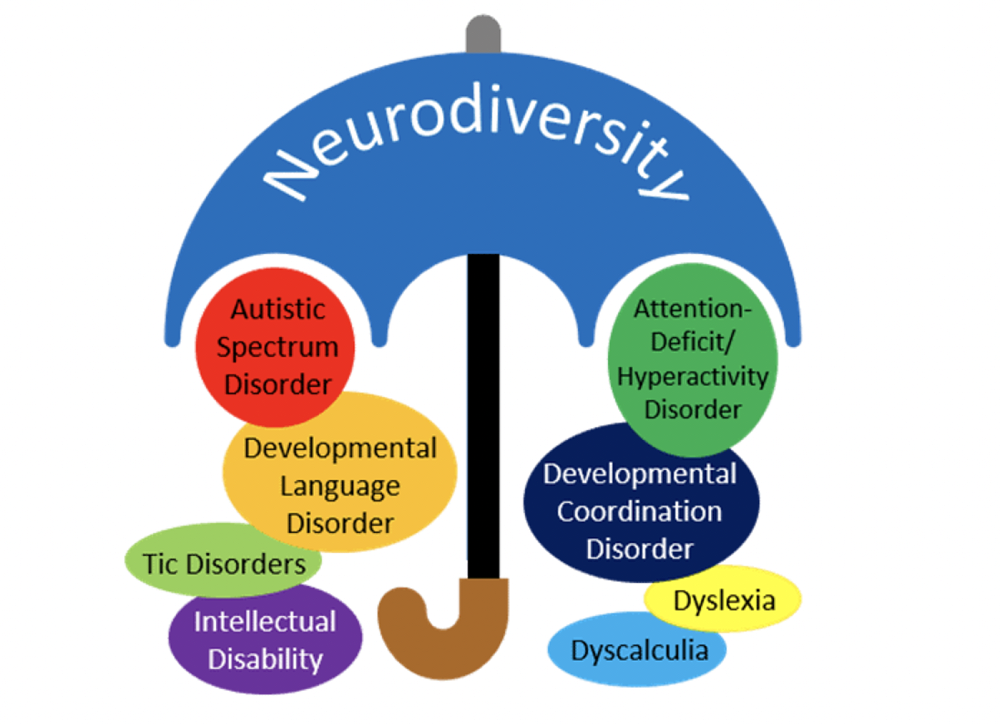
Neurological differences can include Autism Spectrum Disorder (ASD), Attention Deficit Hyperactivity Disorder (ADHD), dyslexia, dyspraxia, dyscalculia, dysgraphia and Tourette Syndrome.
Neurological differences allow for diverse skills, perspectives and capabilities in our school and community, when we work together and embrace our differences we help create an enriching experience for all.
Understanding and embracing neurodiversity in communities, schools, and workplaces can improve inclusivity for all people. Our goal is to create an environment that is helpful to neurodiversity and recognises everyone’s strengths and talents
Inclusive education means that all learners are welcomed by their local early learning service and school, and are supported to play, learn, contribute and participate in all aspects of life at the school or service.
It is underpinned by the belief that every learner has the potential to make a valuable contribution to the wellbeing of their family, whānau, community and to Aotearoa New Zealand as a whole. It asserts that our diversity is a strength.
Inclusive education is also about how we develop and design our learning spaces and activities so that all learners are affirmed in their identity and can learn and participate together. It means deliberately identifying and removing barriers to learning and wellbeing.