Structured Literacy at SBS
For the last couple of years, the year 0/2 teachers have been participating in Structured Literacy professional development and we are seeing some very pleasing results.
What is it?
A Structured Literacy approach explicitly teaches systematic word identification and decoding strategies, which benefit most students but are essential for those with dyslexia.
What are the benefits?
Structured Literacy provides a strong core of highly explicit, systematic teaching of foundational skills such as decoding and spelling, as well as explicit teaching of other important components of literacy such as vocabulary, comprehension, and writing
What does it look like at SBS?
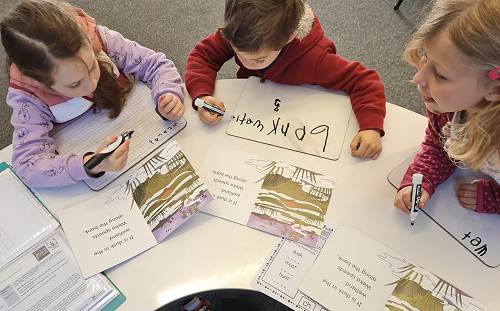
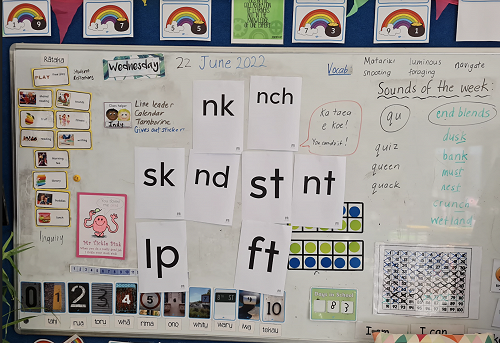
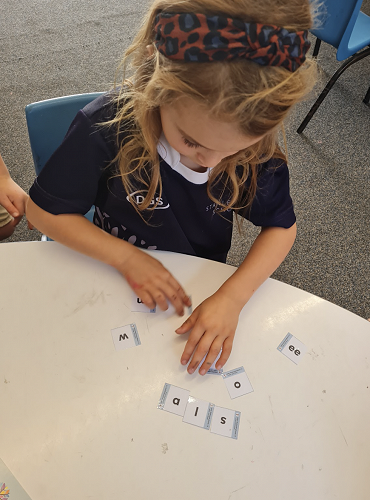
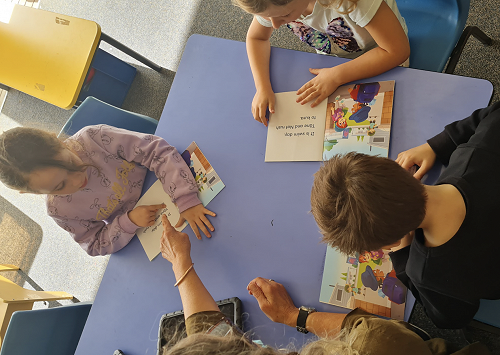
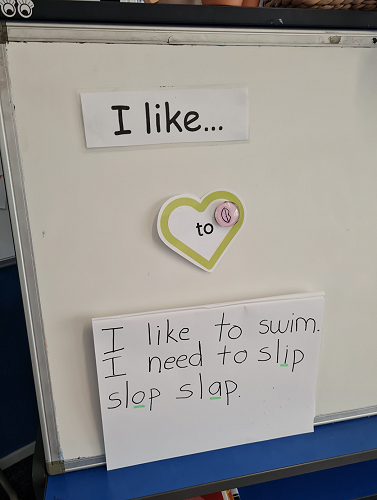
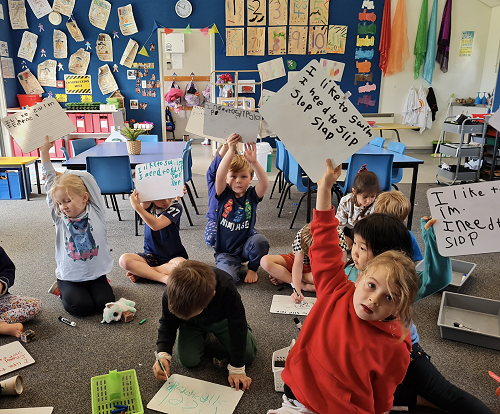
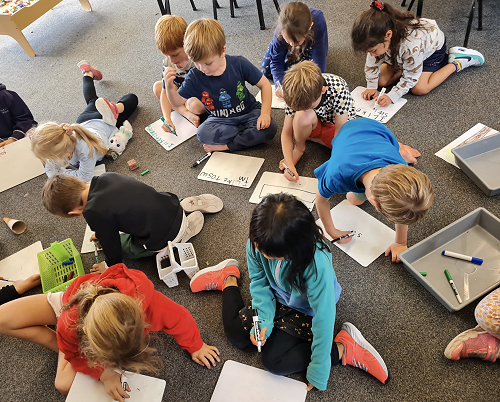
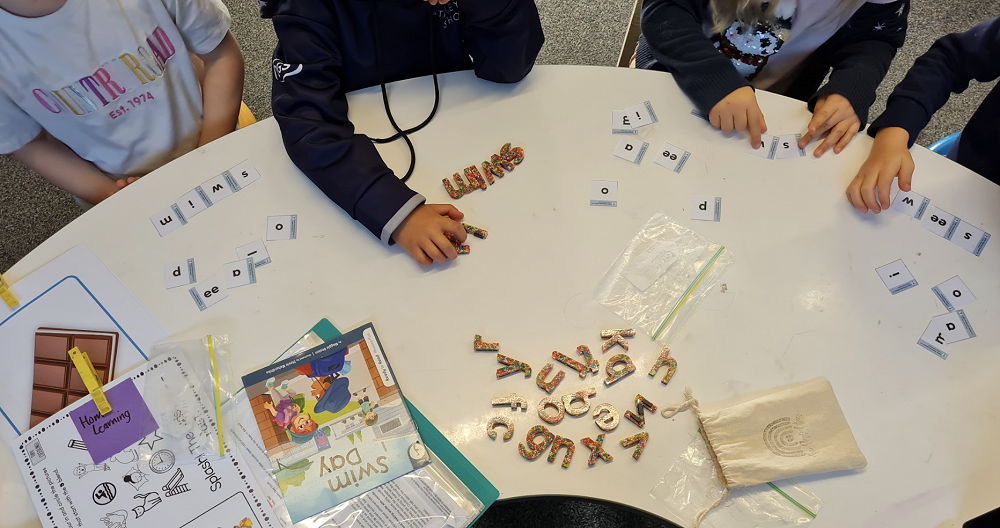
At SBS we are developing a systematic grapheme-phoneme level approach to literacy teaching and learning. This has started in Y0-2 where we are using the Better Start Literacy Approach | Te Ara Reo Matatini. This integrated classroom literacy approach supports children’s early reading, writing and oral language success. The Better Start Literacy approach is embedded in a strengths-based framework where we focus on what the tamariki can achieve and their next steps for learning. It incorporates vocabulary development using quality children’s story books, structured teaching of critical phonological awareness skills and letter-sound knowledge through fun, game-based activities, activities making explicit links to the reading and spelling context, and structured small group reading sessions using the new Ready to Read Phonics Plus decodable texts. The Better Start Literacy Approach follows a phonics scope and sequence that is used in class and small group reading teaching.
What are the positives we are seeing?
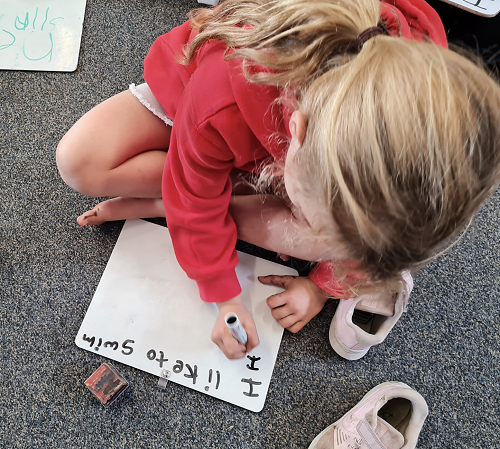
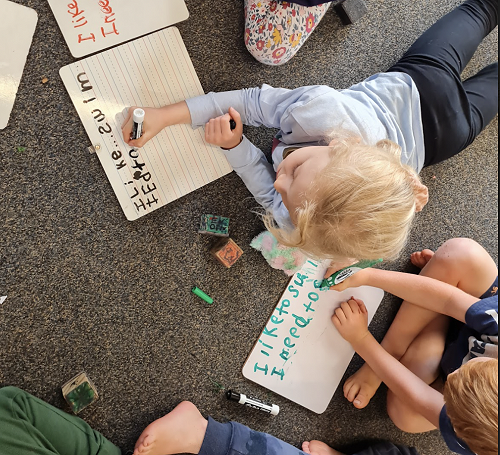
After just 10 weeks of the Better Start Literacy Approach, the Y0-2 students involved showed outstanding progress, with all the students proficient in initial phoneme ID and Letter-Sound recognition. Therefore, children are learning these foundational skills at a much quicker pace than they previously did.Teachers are more confident in their approach to explicit, systematic teaching of foundational skills. They are identifying children's early literacy needs much quicker and are able to give these children the support they need. Our children are more engaged with their reading and are applying these developing skills to their writing and other areas of learning.
What are our next steps?
As we move forward we are developing our own 'Stanley Bay Structured Literacy Approach' taking all the positives from the Better Start Literacy Approach and continuing to tweak it to fit the strengths and the needs of our tamariki. This will extend into the middle and senior classes. We are also developing the role of the Teacher Aide in supporting structured literacy in the classroom and how we will support the early identification of children with additional literacy needs.
Lindsey Mackrill
Better Start Literacy Facilitator
Gallery