
Chaplain's Chat
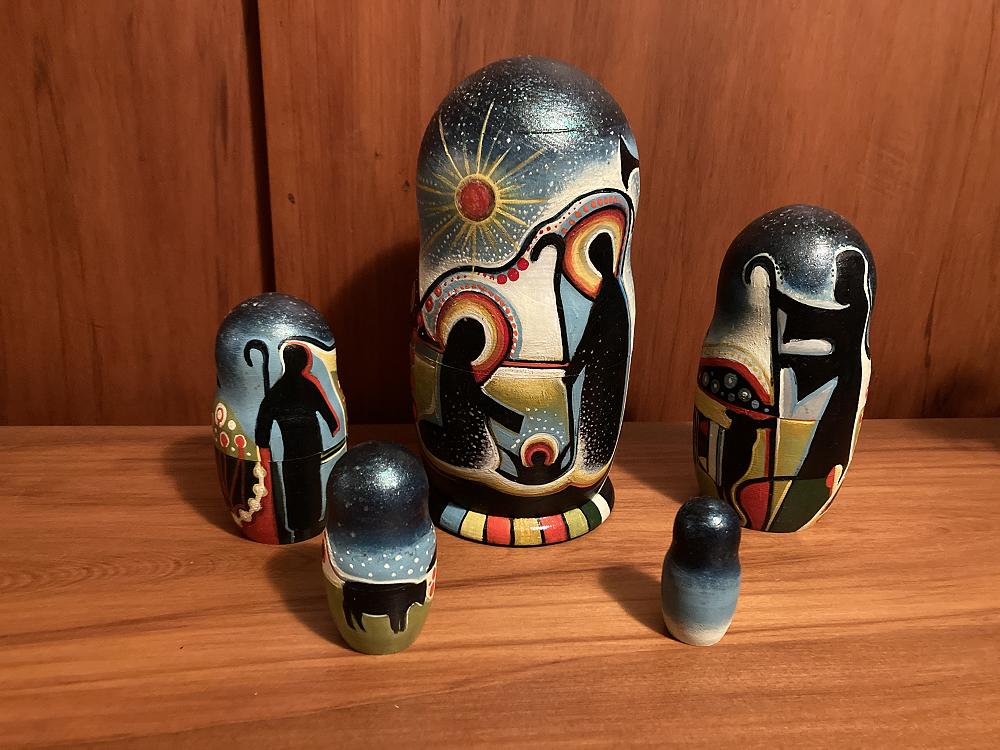
One of the things I love about Christmas is putting out all my nativity sets around the house. I have ten of them (I think?!), from one with pieces made from painted tin that I bought in Mexico, to a painted “nesting” set made by local artist Kezia Field; from a teeny tiny one the size of a matchbox, to a large one that folds out from a book illustrated by Jane Ray. At school we have a lovely fabric set that you might have seen at the Carol service or Leavers’ Service – it has three Kings holding gifts (although one has lost his gift somewhere along the line!), a shepherd, and Mary holding the baby Jesus (but no Joseph!). I have added a lovely pair of angels that look like an older and younger sister, which I thought was appropriate for our school.
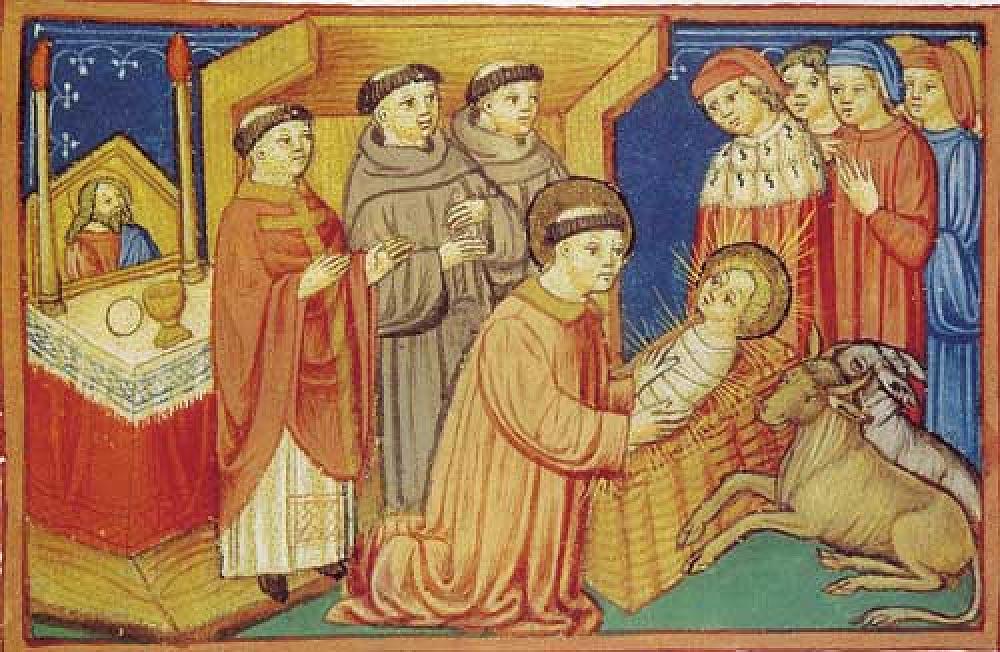
The idea of a nativity scene originates with St Francis who was inspired after visiting the Holy Land to make the story of Jesus feel more real. In 1223, after being given permission by the Pope, he set up a manger with real hay, a live ox and donkey, and (thankfully) a wooden doll for the baby Jesus, in a cave near the Italian town of Greccio. People flocked to see the simple scene during Christmas Mass that year, as well as to hear St Francis preach, and even reported seeing miracles (such as the “baby” crying). Every Christmas for the last 50 years, the people of Greccio stage an historical reenactment of St Francis and that first Nativity scene.
Of course, the nativity scenes we have at home or see in churches aren’t biblically accurate. For example, while the shepherds find Mary and Joseph, with the baby Jesus lying in a manger (Luke 2.16), the magi visit Mary and Jesus at their house when he is a toddler (Matthew 2.11). But does this matter? It might be fun to create a nativity scene – or to try and find a set – that reflects the account of either Matthew or Luke, but ultimately these visual and tactile reminders of the Christmas story point us to the important idea of the incarnation – the coming into our world of God as a human (and as a vulnerable baby at that), who experienced life as we do, with all its joys and sorrows, and who ultimately showed us what it means to be human through life-giving service to others, even to the point of death (Phil 2.5-8).
As Pope Francis said when he visited Greccio at Christmas in 2019, “In a particular way, from the time of its Franciscan origins, the Nativity scene has invited us to ‘feel’ and ‘touch’ the poverty that God’s son took upon himself in the Incarnation. Implicitly, it summons us to follow him along the path of humility, poverty, and self-denial that leads from the manger of Bethlehem to the cross.”
This Christmas, I hope you get to enjoy putting out a nativity set at home, or seeing one somewhere, and my prayer is that in doing so you will have sense of the presence of God with you.
As we meet around crib
candle or advent wreath,
draw us into that stable
in our imagination.
In the quiet moments of prayer
this Christmas, that brief oasis
from the bustle of the world,
bring alive to us
the smell of the hay,
the sound of the animals,
the cry of a baby.
Draw us close to our Saviour
Messiah and King as we bring
not Gold, Myrrh or Frankincense
but the gift of our lives
the only offering we can bring.
(source: Faith and Worship)
Dr Gillian Townsley
Chaplain