
Matariki
Celebrating the Māori new year.
What is Matariki?
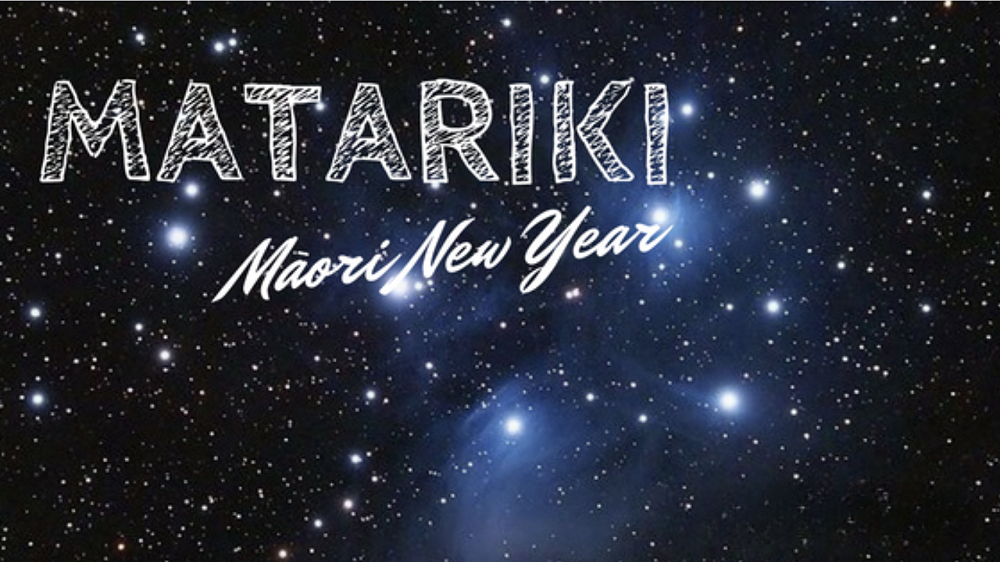
Matariki takes its name from the Māori name for a cluster of stars. The cluster is also known in other parts of the world as the Pleiades, the Seven Sisters, Makli’i or Subaru.
Matariki is an abbreviation of ‘Ngā Mata o te Ariki Tāwhirimātea’ (‘The eyes of the god Tāwhirimātea’). Ranginui, the sky father, and Papatūānuku, the earth mother were separated by their offspring, one of their sons, god of the winds Tāwhirimātea, became angry, tearing out his eyes and hurling them into the heavens.
Why is it celebrated?
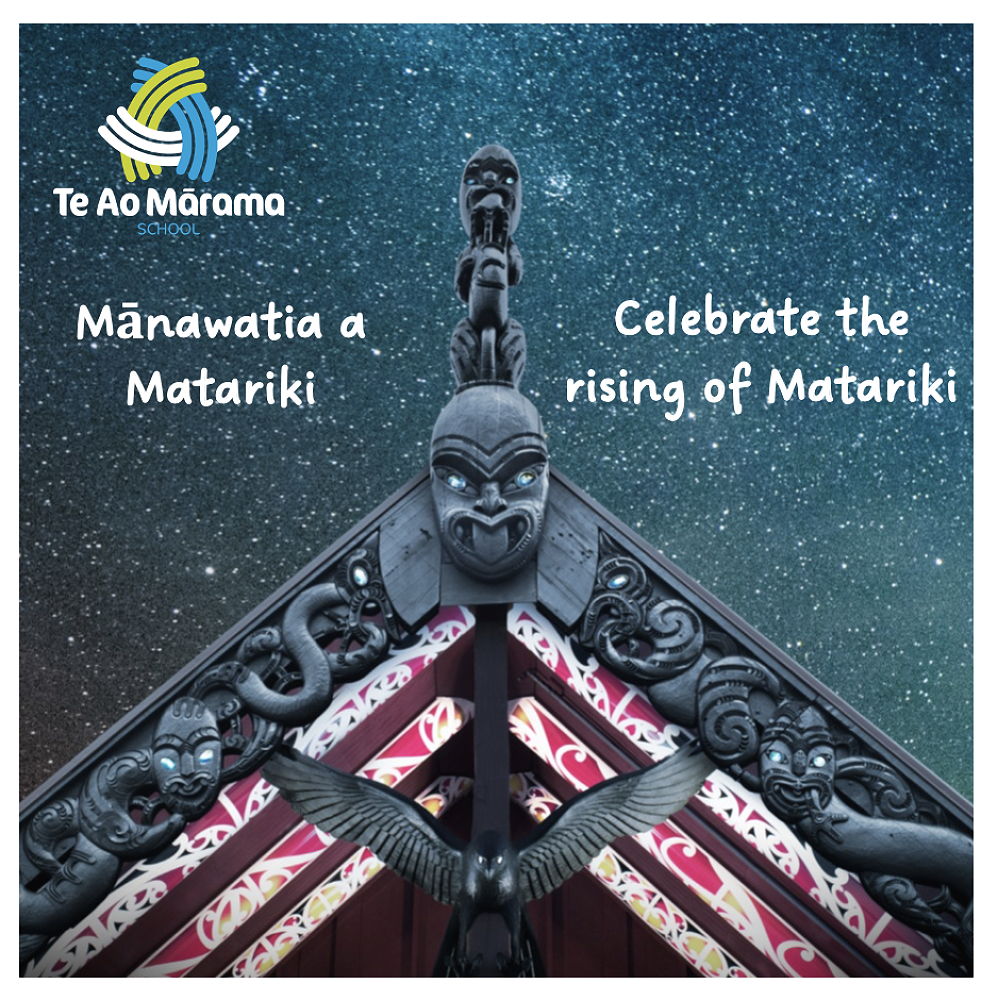
When the Matariki star cluster becomes visible to New Zealand in mid-winter, it marks the start of the Māori Lunar Calendar.
Celebrating the start of the Māori New Year is what makes up the Matariki celebrations and it’s an important time in Te Ao Māori.
There are three specific values that are central to Matariki:
Remember the past – it’s a time to honour the people we have lost.
Celebrate the present – it’s a time to appreciate what we have.
Look to the future – it’s a time to consider what the future holds.
What are the names and attributes of the stars?
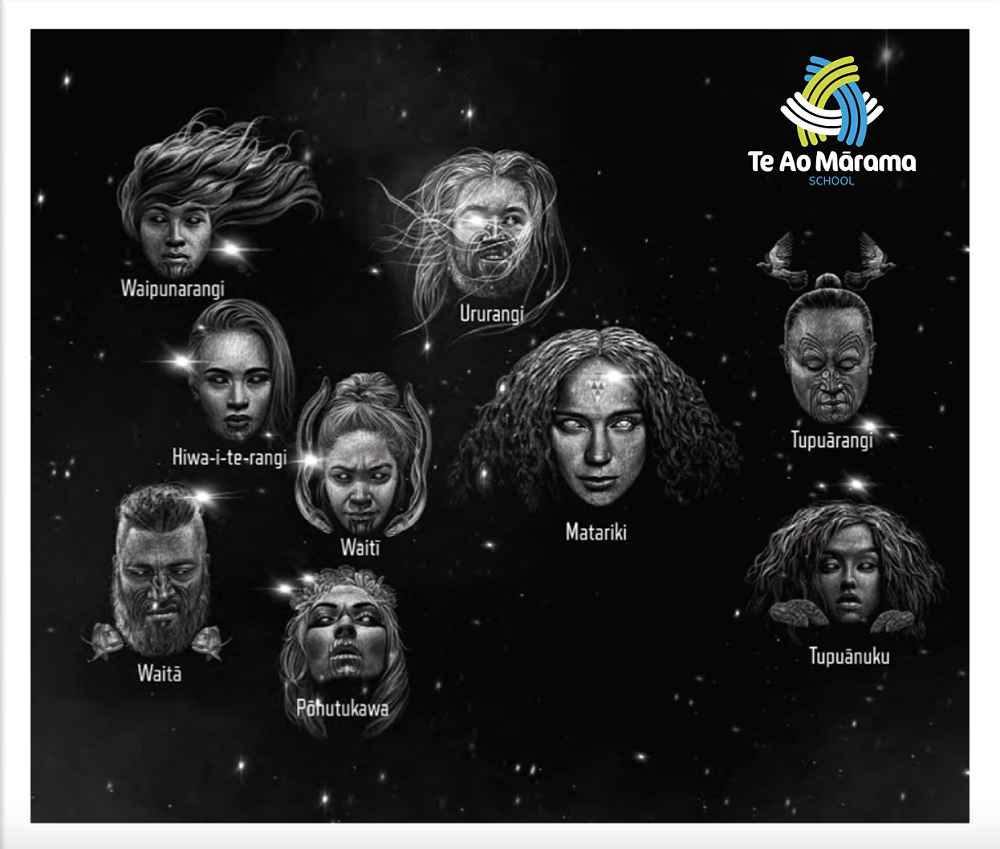
Matariki boasts more than 500 stars; however the narrative of nine stars, those seen by the naked eye are now conveyed as:
Matariki – the mother of the other stars in the constellation.
Pōhutukawa – connects Matariki to the dead and is the star that carries our dead across the year (Sterope/Asterope).
Tupuānuku – is tied to food that grows in the ground (Pleione).
Tupuārangi – is tied to food that comes from above your head such as birds and fruit (Atlas).
Waitī – is tied to food that comes from fresh water (Maia).
Waitā– is tied to food that comes from salt water (Taygeta).
Waipunarangi – is tied to the rain (Electra).
Ururangi – is tied to the winds (Merope).
Hiwaiterangi/Hiwa – is the youngest star in the cluster, the star you send your wishes to (Celaeno).
Rehua (Antares) is the father but is not considered part of the Matariki constellation. (Alcyone).
Matariki is an abbreviation of ‘Ngā Mata o te Ariki Tāwhirimātea (‘The eyes of the god Tāwhirimātea’).