Updated New Zealand Curriculum
You would have seen in the media that changes have been made to the New Zealand Curriculum.
Here is a summary of what has happened to the Maths and English Curriculums;
Maths
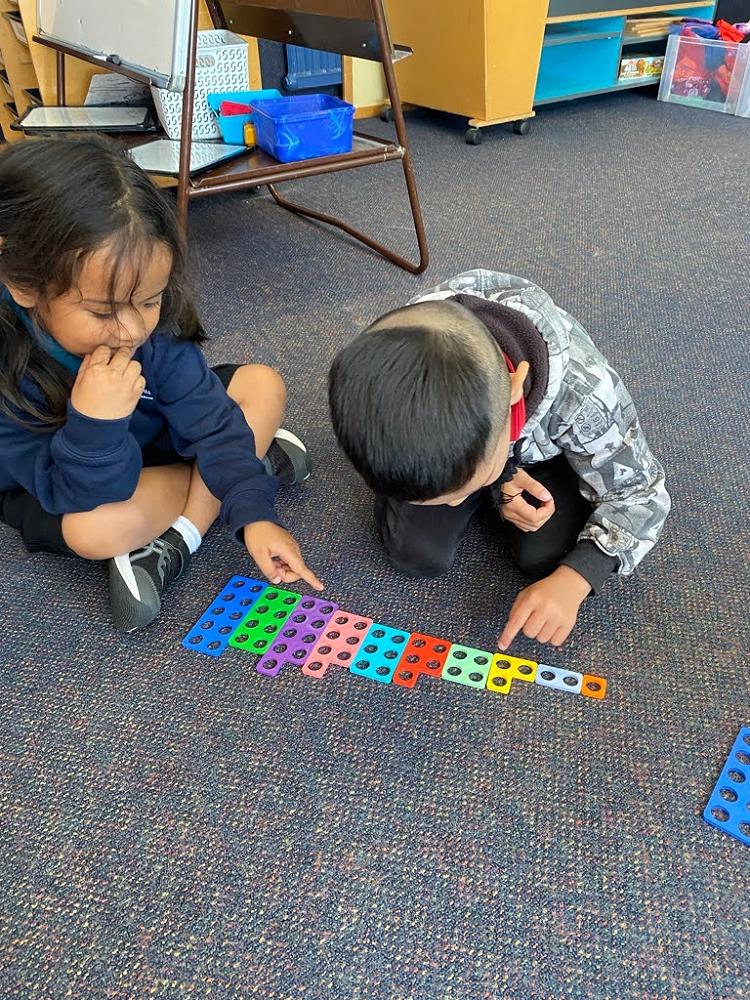
The New Zealand Curriculum for Years 0–8 maths has been updated to improve children’s progress and achievement. These changes focus on building curiosity, enjoyment, and real-world applications of maths. Children will now spend at least 5 hours a week on maths, with learning tailored to their year level. In Years 0–3, hands-on activities with numbers and shapes encourage curiosity and success. In Years 4–6, children will explore fractions, decimals, percentages, problem-solving, measurement, and patterns in data. By Years 7–8, students will tackle more complex problems, apply maths concepts, and communicate their ideas confidently.
Teaching methods will be clear, consistent, and evidence-based, with step-by-step explanations, feedback, and practice opportunities. Teachers will use visual and hands-on tools to make learning engaging and accessible. A structured maths approach ensures teachers know what, when, and how to teach, helping children build confidence and see the practical value of maths. For children needing extra help or additional challenges, targeted strategies will be available. These curriculum changes aim to give every child a strong foundation in maths and prepare them for future success.
English
The English curriculum for Years 0 to 6 has been updated to help children improve their reading and writing skills. Students now spend at least 10 hours every week learning these skills. The curriculum focuses on three main areas: oral language, reading, and writing. Oral language includes spoken language, New Zealand Sign Language, or other forms of communication like gestures and images. This helps children learn to speak, listen, and communicate effectively. Reading teaches children to understand and think critically about texts, with stories and materials from New Zealand, the Pacific, and around the world. Writing helps children learn to express their ideas clearly for different purposes.
The learning is divided into three stages. In Years 0 to 3, children learn in environments full of literacy activities. In Years 4 to 6, they build on this knowledge and learn to work with others. By Years 7 to 8, they start exploring global ideas and become more independent. Teaching methods focus on step-by-step explanations, checking understanding regularly, and giving students chances to practice both on their own and in groups. The updated curriculum is designed to be clear, consistent, and based on proven teaching methods.
A structured approach to literacy helps children learn phonics (how letters and sounds work together), handwriting, vocabulary, reading comprehension, and writing. If a child needs extra help, teachers can offer targeted support in the classroom. For those who need more challenges, additional learning opportunities are available.