
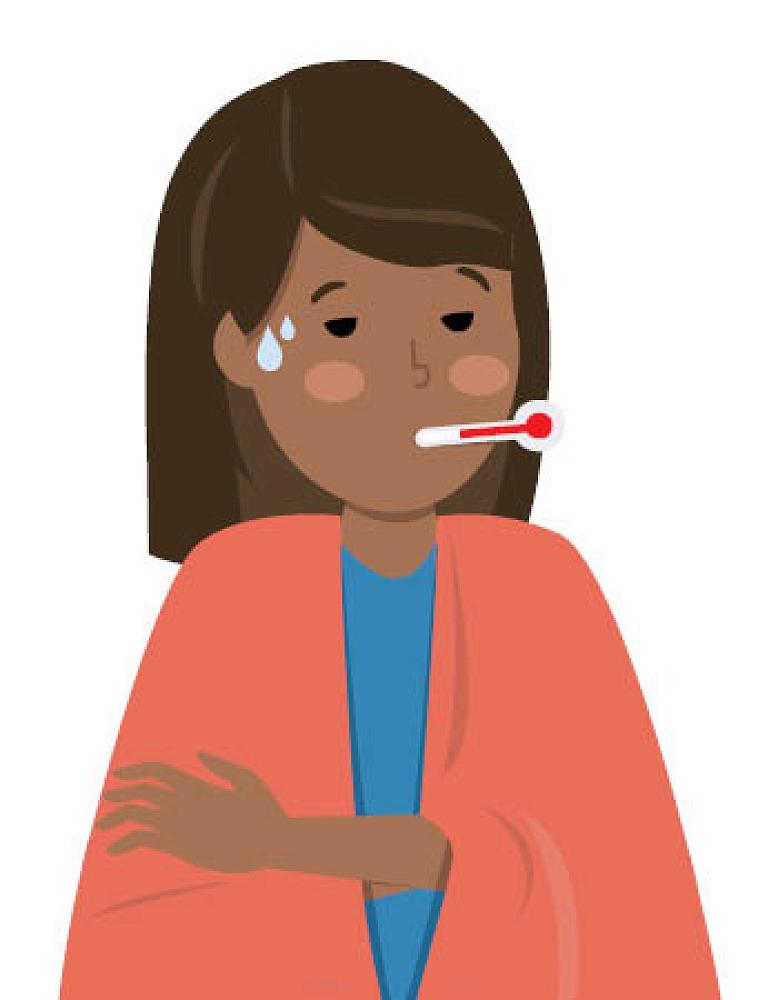
Winter Illness and respiratory syncytial virus (RSV)
Cold, flu and other respiratory viruses including RSV are common in schools and early learning centers during winter. These illnesses can be easily spread by sneezes or cough droplets.
RSV infections may progress to cause pneumonia and bronchiolitis, especially in pēpi.
Common symptoms:
a runny nose
coughing or sneezing
fever, wheezing and difficulty breathing. Shortness of breath or abnormally rapid breathing always requires immediate medical attention if your pēpi or tamariki has these symptoms.
loss of appetite
difficulty feeding due to breathlessness
Reminders to help prevent spread of respiratory viruses:
Anyone who is unwell should stay at home until they are symptom free and feeling well. Your tamariki should not return to school until 24 hours after their symptoms (cough, runny nose) have gone.
Wash and dry hands thoroughly and often to stop the spread of illness.
Resources
Winter illness - what to do if your child is sick fact sheet [PDF, 1.1 MB]
Influenza brochure [PDF, 93 KB]
Influenza fact sheet [PDF, 92 KB]