
What is Structured Literacy?
You’ve probably heard the term “Structured Literacy” mentioned a lot recently, especially with discussions in the media now that National is in government. But what does it actually mean? Structured Literacy is a comprehensive approach to teaching reading that emphasises the systematic and explicit instruction of language. It focuses on the critical components of reading such as phonological awareness, decoding, and spelling, ensuring that all students, regardless of their starting point, build a strong foundation in literacy.
Over the coming term, we will be running a mini-series in the school newsletter to further unpack what Structured Literacy is and how we are implementing this approach at West Melton School. Stay tuned to learn more about how this method supports our learners and enhances their literacy skills!
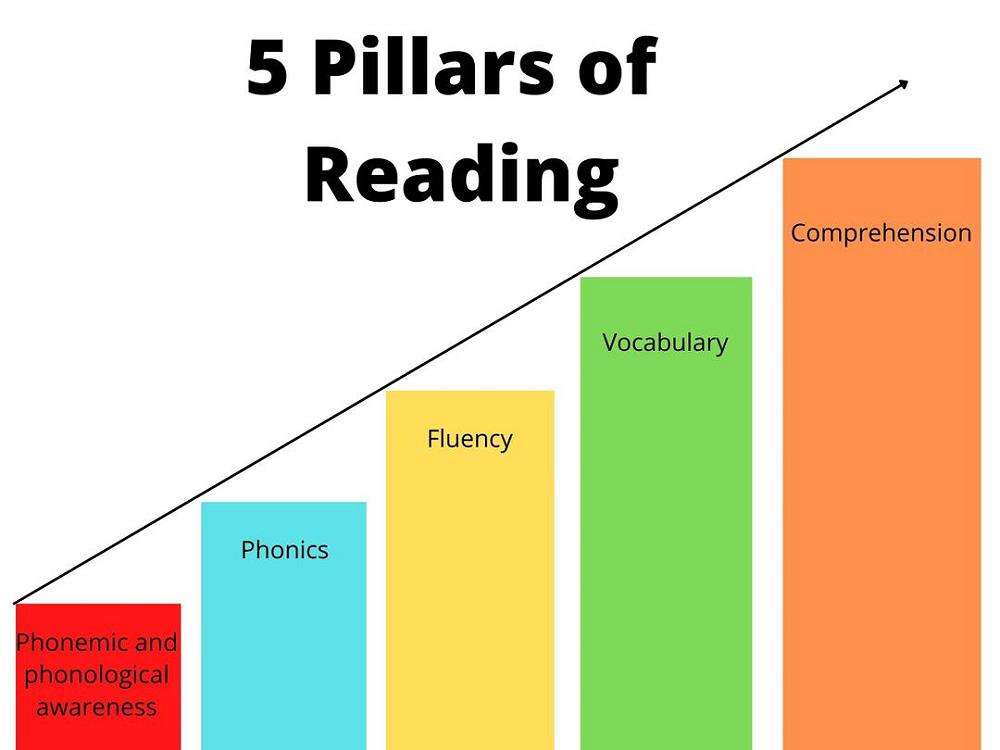
The five essential components of structured literacy are:
Phonics: This involves teaching students the relationship between sounds and letters, helping them to decode words and understand the structure of language.
Phonemic awareness: This refers to the ability to identify, manipulate, and produce individual sounds in words.
Fluency: Fluency involves reading words accurately, quickly, and with expression.
Vocabulary: A strong vocabulary is essential for understanding written and spoken language.
Comprehension: Comprehension is the ability to understand the meaning of what is read.
Structured literacy has many benefits, including improved decoding, fluency, comprehension, and overall literacy skills. By providing students with a systematic and explicit approach to learning, structured literacy can help them become confident and successful readers and writers.