
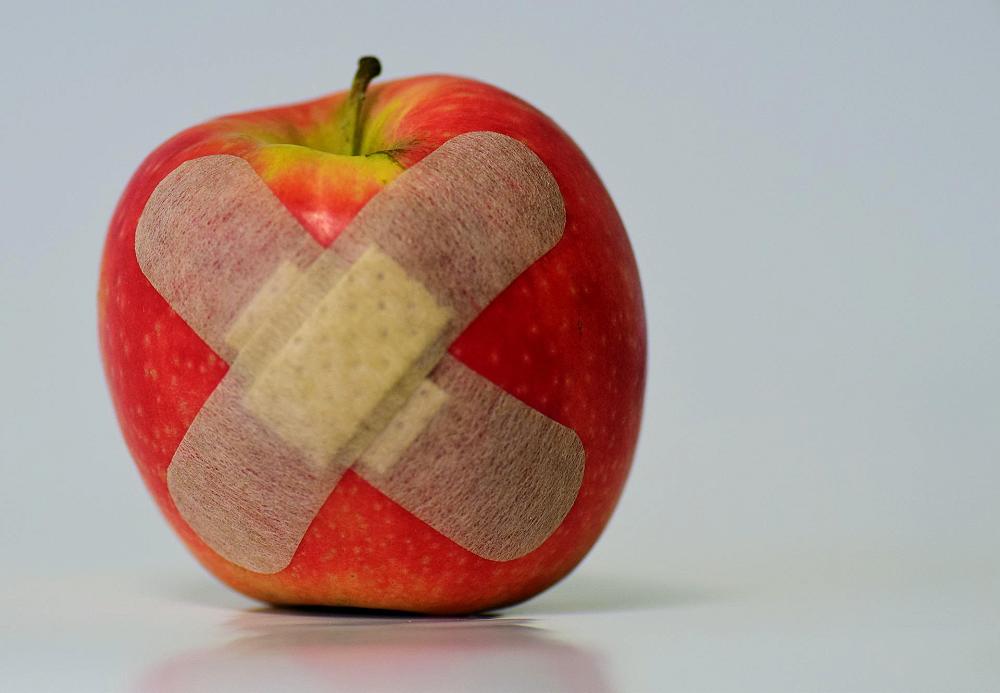
When your child becomes unwell
If your child has an accident or becomes sick at school, they will be taken to our sick bay (located in our school office). Our office staff will treat any minor injuries or illnesses and if needed we will contact you as soon as possible. If we are unable to contact either parent and feel the child needs urgent medical attention, we will take the child to the Lincoln Medical Centre and try and contact the student’s emergency contacts. In the event of a major emergency, an ambulance will be called. It is important to keep us up to date with any change in contact information and students’ medical conditions.
Medications
If your child has an ongoing medical condition (e.g: asthma), medication can be held at the office to be administered when required. Medication must not be kept in the students’ bag. Please ensure that all medication is labelled with your child’s name.
In each case, a parent/caregiver must complete and sign a ‘Permission to Administer Medication’ form, which is held at the office.
At the end of the school year, all medication is returned. This is a good opportunity to clean inhalers and check expiry dates of medication.
If your child still requires medication at the beginning of the new school year, we will ask you to complete a new ‘Permission to Administer Medication’ form. This ensures we have the most current information regarding dosages etc for your child.
Headlice
From time to time there are outbreaks of this. Please do not panic if your child has headlice – it is very easily caught and very easily treated. Headlice like clean hair best. You can help by checking your child’s hair each time you wash it. Please inform us if you discover signs of headlice in your child’s hair – chances are others may have it too, and we will notify them. See your chemist for appropriate treatment.
Infectious Diseases and Exclusion from School
Some infectious diseases require the exclusion of children from school.
Among these are:
Conjunctivitis - Exclusion while there is discharge from the eyes.
Vomiting/Diarrhoea- 48-hour exclusion from their last symptoms.
Measles - Exclusion for at least 4 days after rash appears.
Mumps - Exclusion until 9 days after onset of swelling.
Scarlet Fever - Children may return to school 24 hours after starting antibiotic treatment.
Chicken Pox - Exclusion until lesions have crusted over - usually sixth or seventh day from onset.
Impetigo / School Sores - Children may return to school 24 hours after starting antibiotic treatment.
Hepatitis A - Exclusion for 1-3 weeks after onset and until one week after jaundice has started.
Hepatitis B & C - No exclusion from school is required.
In all the above cases, the school must be informed.
Immunisation
Immunisation is not compulsory in New Zealand, and we have been informed there is no intention of making it so. Parents of children born from 1995 onwards are required to show their child’s immunisation certificate when starting at an early childhood education centre or primary school, so that the Immunisation Register can be completed.