
Structured Literacy
Literacy
How is literacy taught at Lincoln Primary School?
At Lincoln, we use the Structured Literacy approach for the teaching of Reading, Writing, Spelling and Handwriting.
The Structured Literacy approach is based on over 40 years of world-wide academic research into the Science of Reading. It is an approach in which children are taught systematically and explicitly to firstly recognise speech sounds, as our brains are designed primarily to process speech. Reading and writing are human inventions, so it is vital we work from speech and then move to print. Children are taught to recognise individual words, syllables, and individual sounds in a word.
We use the Heggerty programme to teach the children the ability to understand that spoken words are made up of individual sounds called phonemes and it’s one of the best early predictors for reading success. It is primarily taught in Year 0 - 1 but can be used in other years.
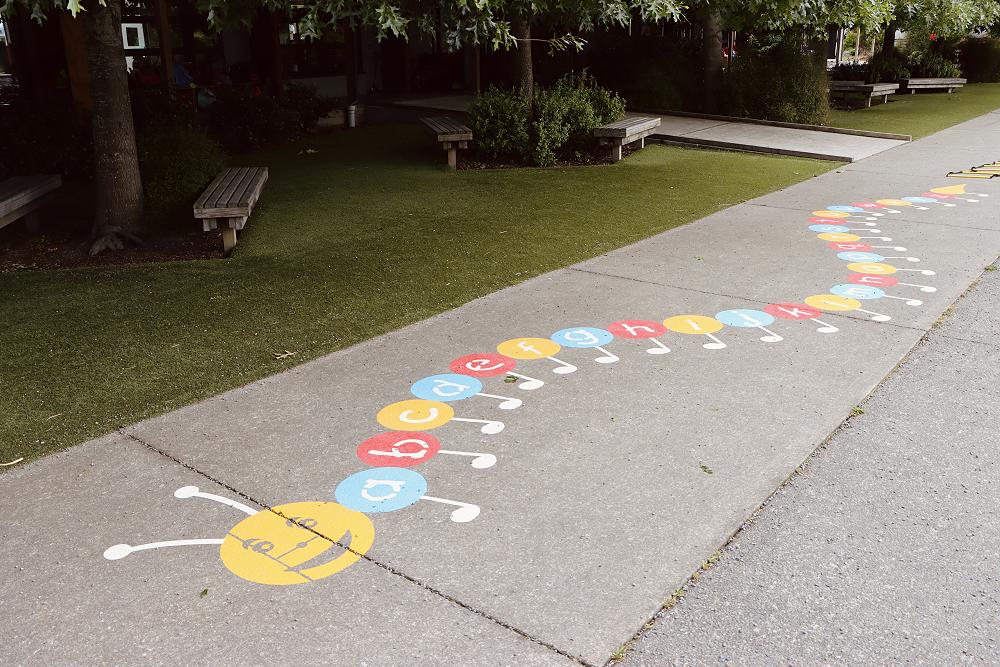
At the same time, children are gradually introduced to the letters of the alphabet and the sounds the letters represent. They are also taught to write the letters of the alphabet. The specific approach for letter formation we use for this is called ‘Casey The Caterpillar‘. As the children increase their letter/sound knowledge, they will be shown how to read and write words with these letters.
We use Little Learners love literacy as our scope and sequence for learning the letter sounds in the younger years.
This website “Why LLLL (Little Learners Love Literacy) has a great explanation of the Structure of Literacy Teaching and Learning process.
Learning to Spell is an intrinsic part of this literacy learning process, and is supported through the use of ‘The Code’. Structured Literacy includes explicit and systematic teaching of phonological awareness, the alphabetic principle, syllable types and morphology, and The Code encompasses these. This programme is sequential and is used to support learning from Year 2 through to Year 8.
Reading books:
At Lincoln, we use decodable texts as part of structured literacy. We use Little Learners Love Literacy books at the younger years and phonics books for the older children, if required.
A decodable book is a story or nonfiction text that has been written only using the sounds and letters children have learnt to date. This means they have the tools they need to read every word themselves by sounding out and blending (and no guessing!). The books are sequential and explicitly focus on phonics and backed by research.
Little Learners Love Literacy ® is carefully sequenced into 7 stages to teach children the 44 sounds of the English alphabet in an engaging process. Teaching focuses on phonemic awareness, the alphabetic code (phonics) and linking the teaching of reading, spelling and writing. Children experience success from the beginning. Once they know 8 phonemes (sounds) and graphemes (letters) – 6 consonants and 2 vowels they start reading and spelling consonant, vowel, consonant (CVC) words and the Stage 1 Little Learner books. We believe that the secret ingredient to success is the reading practice children get when they read the decodable books. Just like learning to play the piano or learning to kick the football, daily practice is the only way to mastery.
At Year 0 - 1 your child will not necessarily bring books home straight away. They need to know the first 8 letters and the sounds they represent, as well as the skills of segmenting and blending sounds, before being given a text. This is to ensure success and accurate reading, rather than guessing. In the first instance, we will be supplying you with flashcards for each of the sounds the children are being taught. Reinforcing the sounds they have learnt at school, when at home with you, will be extremely helpful for your child.
When a child reaches Stage 6/7 of the structured literacy sequence, they will begin to utilise additional reading texts to support their learning. These could include resources you may recognise from the ‘Colour Wheel’ series, School Journals and other publications.
In our Senior Classes the explicit, sequential teaching will be done with small target groups and also through daily whole class spelling sessions.