GYAP: Cultural and Art Zoom Lesson with Wenjiang Dongjiajie No.1 Primary School.
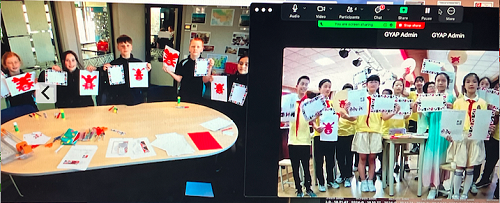
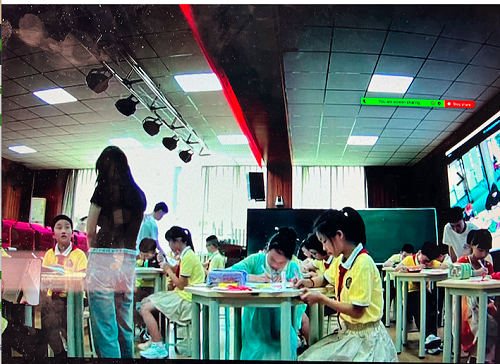
Wenjiang Dongjiajie No.1 Primary School and our GYAP students enjoyed sharing and understanding the customs, traditions and meanings of the Chinese Symbolic Qipao Dress, Dragon Paper Making and New Zealand Kowhaiwhai patterns.
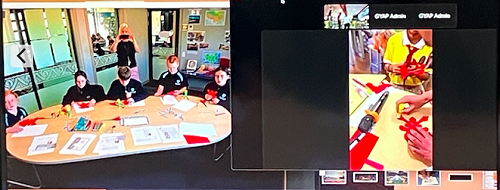
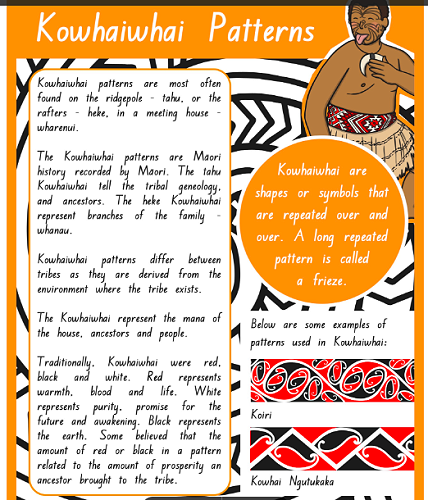
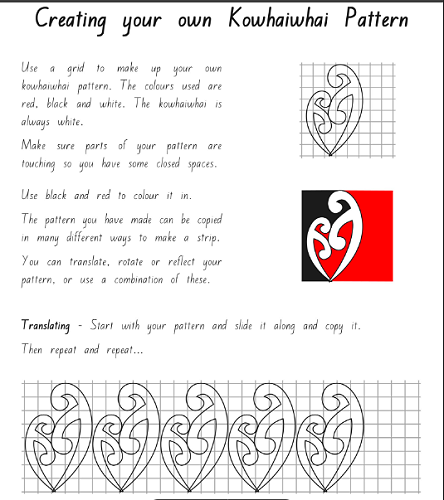
Aidan, KJ, Wyatt, Ella and Imogen did a fantastic job in public speaking and taught the students from Wenjiang Dongjiajieto the meaning behind a range of Kowhaiwhai patterns; Patiki, Koru, Mangāpora, Ngutu Kākā/ Marama. Together, they explained that Kowhaiwhai patterns are Māori decorative designs, traditionally found on whare rafters and waka paddles and they feature intricate and repetitive designs, which carry a unique meaning and tell a story.
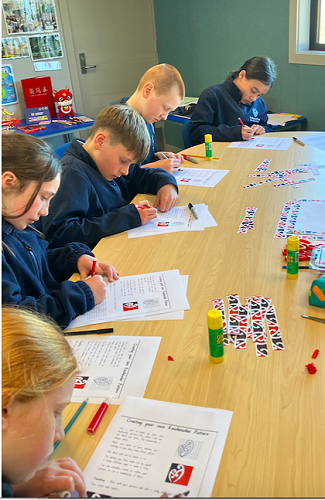
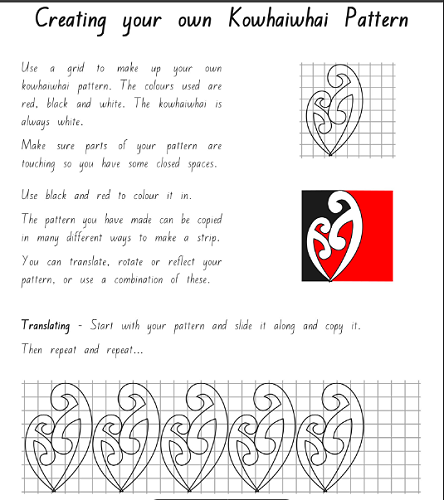
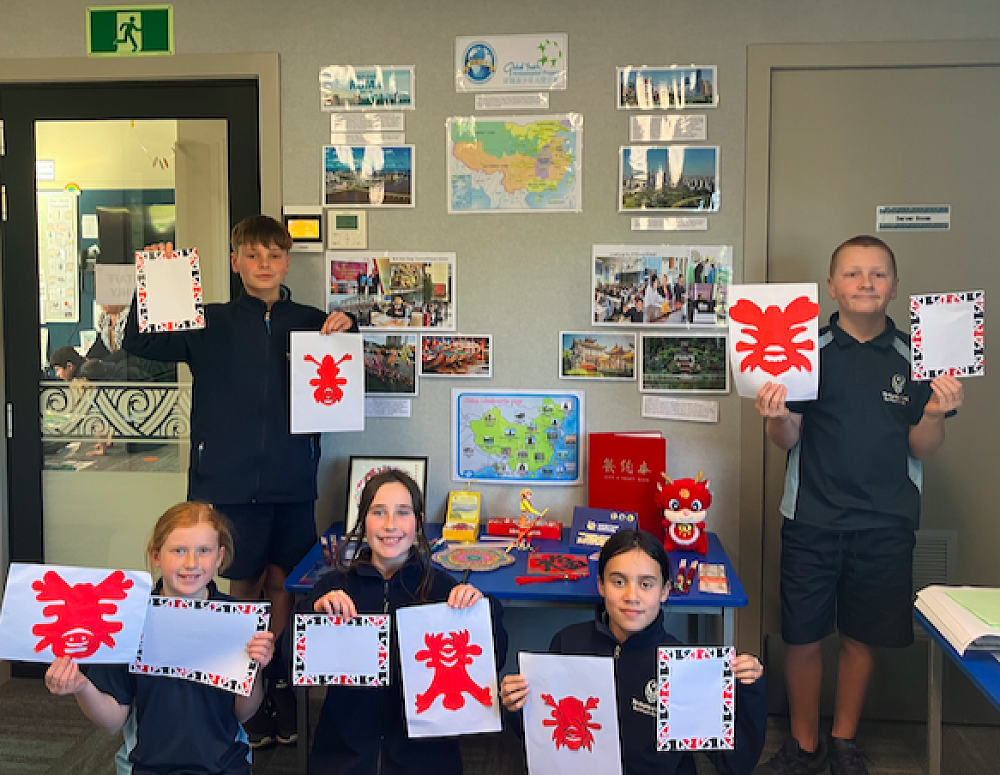
Our Chinese friends were taught how to draw a range of Kowhaiwhai patterns, as well as make a border of Kowhaiwhai patterns on A4 paper, to later use, to present their own school work in. A little bit of history and tradition of New Zealand in their classroom!
We were then wowed by the Chineses students dressing up in their traditional Chinese Symbolic Qipao Dresses. We learnt that the patterns on the dresses can range from embroidered florals, dragons, or any other colorful addition and there are lots of variations and options among patterns, colors, sleeve lengths, hem lengths, collar height, and neckline to choose from.
The girls looked absolutely beautiful and we were taught the traditional meaning behind their dresses. The most popular colors are red (signifying fertility, luck, joy, and happiness) yellow (signifying power, authority, and prosperity), and white (signifying purity and innocence). Legend traces the Chinese Symbolic Qipao Dress back to over 4,000 years ago when Huangdi's consort, Leizu, made cloth with silk. Nowadays, girls wear Qipao Symbolic Dresses for special occasions, such as festivals, birthdays and wedding ceremonies.
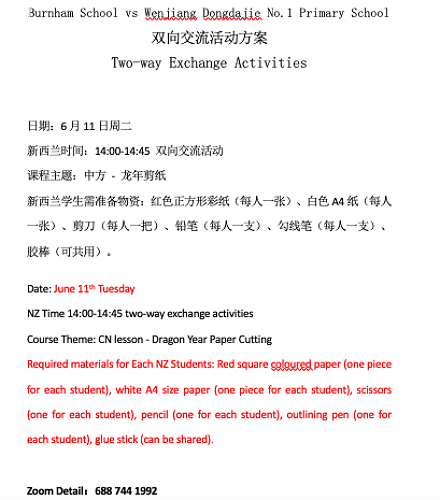
Our students were then taught how to make Dragon Paper cuttings and understood that traditionally, Chinese people believe that the red paper-cuts on the door can bring good luck and happiness to the whole family. Nowadays, paper-cuts are more often seen during traditional Chinese festivals, particularly in Chinese New Year, the Spring Festival.
Chinese schools are now on summer break so zoom lessons will continue in Term 4. However, GYAP students and I will continue to create interactive projects ready to share when they are back!
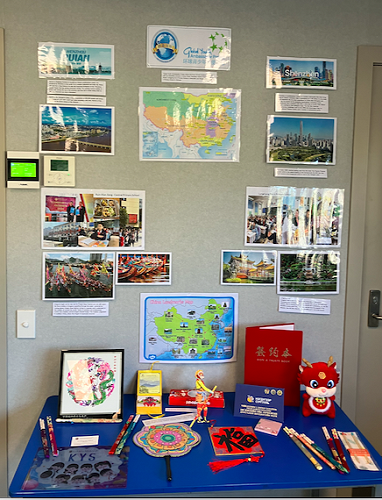
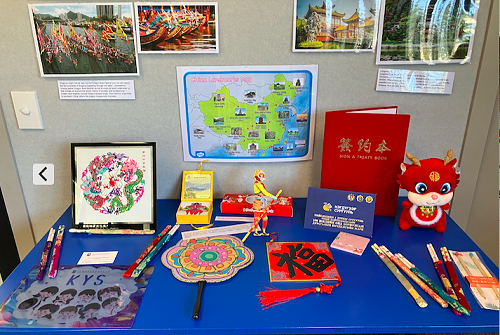
It is such a joy to have a beautiful space in the school for our students to be able to carry out our zoom lessons. Please come in and take a look at our GYAP display and learn more about our Global Youth Ambassadors programme and our three Chinese Friendship Schools.
Gallery