
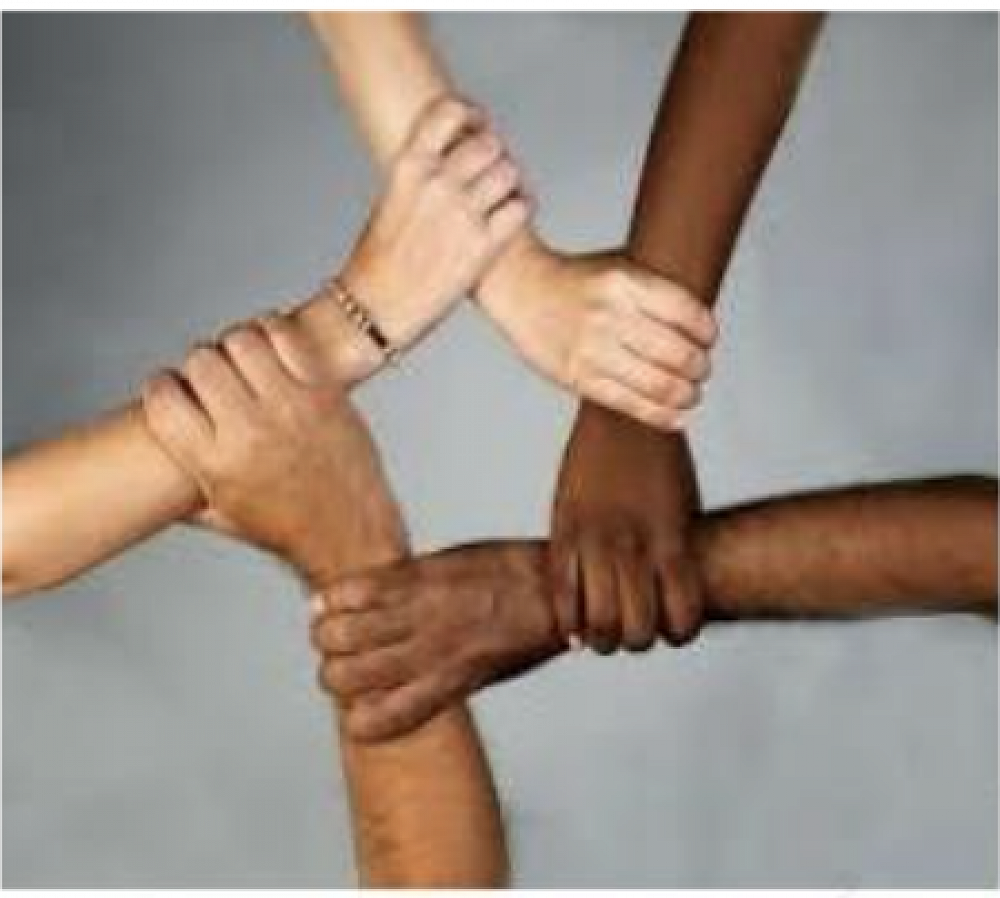
Key Competency- Relating To Others
This term our Key Competency focus for students, teachers and whānua is to have deeper understanding of Relating to Others.
Key Competencies
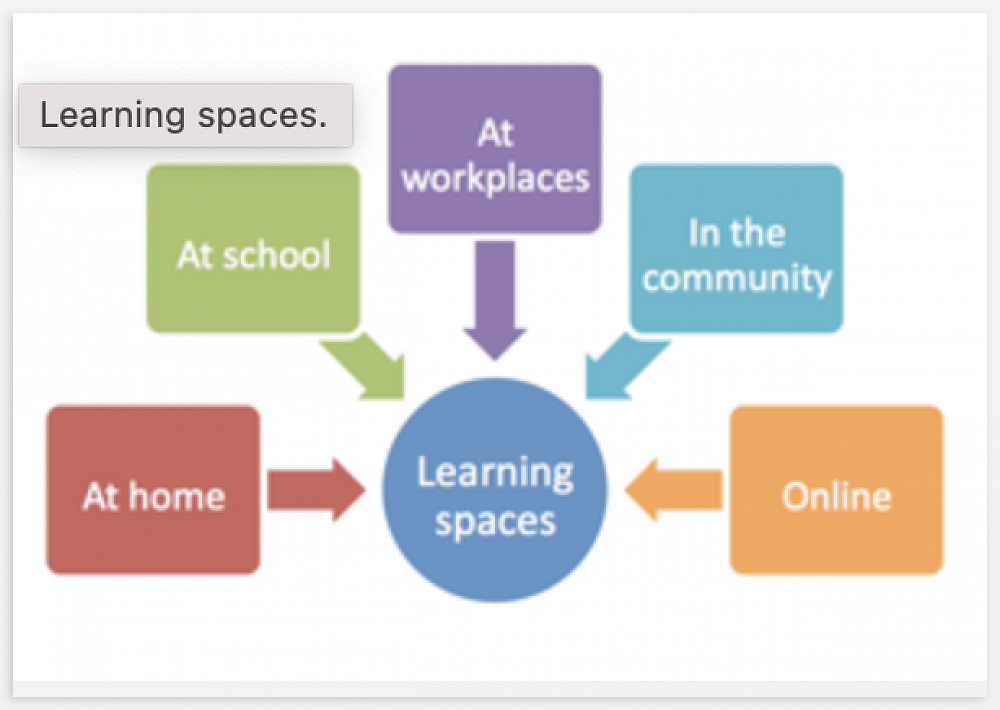
Key Competencies occur in a range of situations at home, school, workplaces, in the community, and online. All are related to each other and are connected.
Key Competency: Relating to Others
Relating to others is about interacting effectively with a diverse range of people in a variety of contexts. This competency includes the ability to listen actively, recognise different points of view, negotiate, and share ideas.
Students who relate well to others are open to new learning and able to take different roles in different situations. They are aware of how their words and actions affect others. They know when it is appropriate to compete and when it is appropriate to co-operate. By working effectively together, they can come up with new approaches, ideas, and ways of thinking.
Ways students can use the Key Competency: Relating to Others in learning areas, at home and in the community.
Science: investigate the water cycle and its effect on the climate, share ideas, and ask questions within their science group generating group discussion.
Reading: students develop empathy by understanding how characters in picture books are feeling and why.
Writing: students exploring a novel that introduces characters from a different era or country, where they need to work out why different people think and behave as they do in the story.
In the playground: students understand that they need talk nicely to each other in the playground and share equipment, for everyone to feel happy and safe.
In Design and Technology: students develop a product in technology, where they have to imagine the needs of a range of users.
P.E : students can co-operate and compete in a game of soccer by following rules, supporting team mates and competing for goals.
In the community: students can help a community organisation for free. It’s empowering to make a difference in other people’s lives and meet new people.
Three things to try at home with your children - Relating to Others
- Being comfortable with differences. Talk openly about different ways of “being” in the world. Compare the different cultures in your life, so you can talk about what’s right in different contexts, and why. If you model respect, children are more likely to show it too.
- Play the “devil’s advocate” from time to time. It is great for children to practice seeing things from different perspectives and to understand that respectful debate is healthy.
- Think about how you negotiate with your children and what you model by the ways you respond during those interactions.
Sarah Stratton.