What you need to know about Matariki and Puanga
Mānawatia a Matariki mā Puanga, ngā mihi o te tau hou, happy Māori New Year. Welcome, Matariki and Puanga.
Mānawatia a Matariki mā Puanga, ngā mihi o te tau hou, happy Māori New Year. Welcome, Matariki and Puanga.
The Matariki cluster and Puanga herald in a New Year for those who celebrate, but what is Matariki, and what do you need to know?
What is Matariki/Puanga?
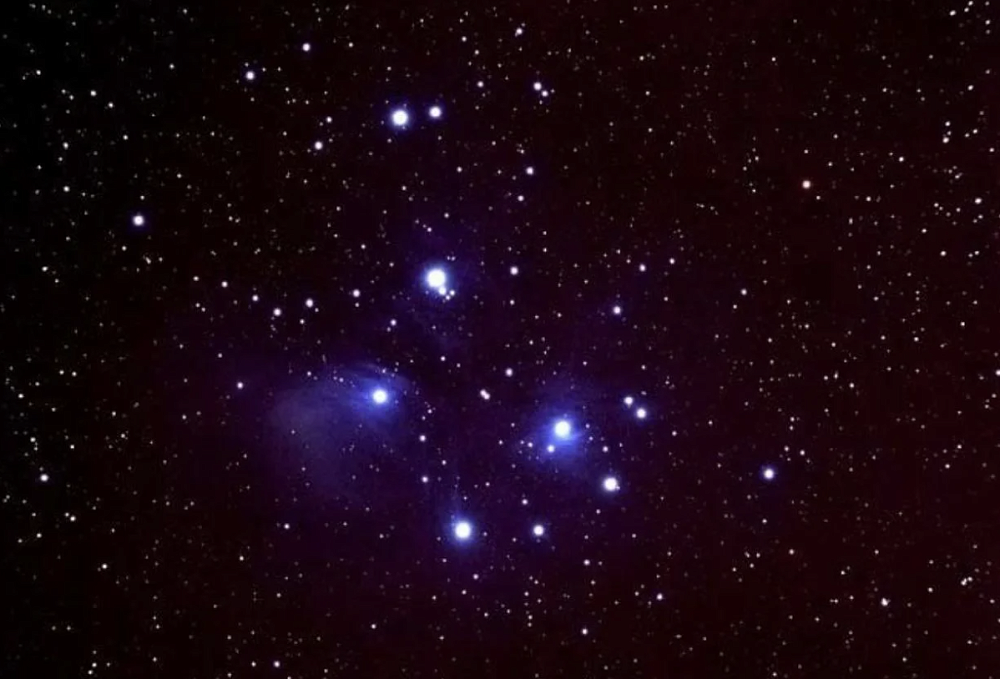
Both Matariki and Puanga rise in the eastern sky before the sun rises in winter. Matariki is the name given to the star cluster known as Pleiades. There are over 500 stars in the Matariki cluster – but only a handful are visible without the use of a telescope.
Puanga is the reo Māori name for Rigel, a supergiant star located around 860 light years away from Earth, and one of the brightest in our sky.
Puanga is given prominence mainly because some iwi struggle to see Matariki clearly from their rohe, according to Te Papa, and therefore look to the next important star near Matariki - Puanga.
Ackowledgement of either Matariki or Puanga does not reject the other.
The nine visible stars of Matariki are Pōhutukawa, Tipuānuku, Tipuārangi, Waitī, Waitā, Waipunarangi, Ururangi, Hiwa-i-te-Rangi, and Matariki.
The PTA disco this evening is celebrating Matariki.
On Saturday morning from 5 a.m. at the Kuaotunu Domain there is a community event for a bit of Matariki Star gazing.
source: stuff
Gallery