Thermometers, Barometers and Anemometers - Toroa (Year 7-8)
Over the last few weeks, tamariki in Toroa have been developing their understanding of weather and climate.
We first began by asking tamariki what we can measure, and why we measure it. We then narrowed this to what things we can measure to do with the weather. This then opened up a sea of fantastic ideas, where students thought about why they were measured. Ideas included measuring temperature, rainfall, humidity, wind speed and direction, but were unsure how some of these things could be measured.
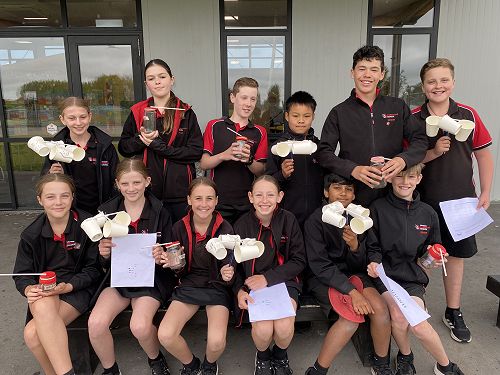
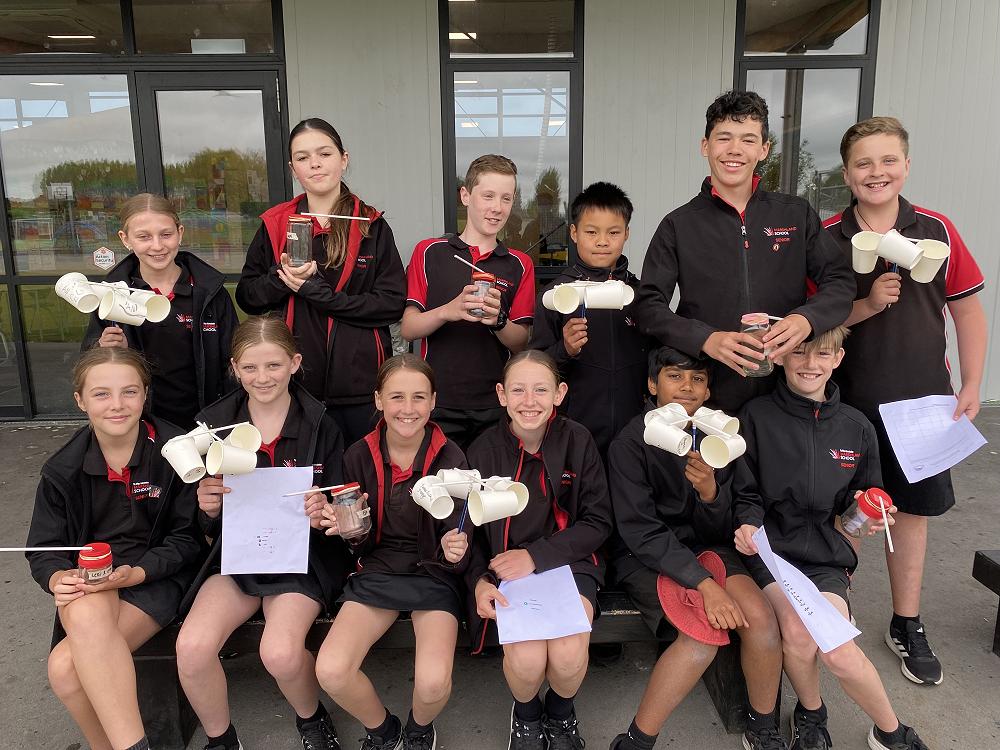
We then focussed on two of these things: wind speeds and air pressure. We tasked Tamariki with creating anemometers and barometers as they learned about the different ways scientists use tools to measure to stay informed about the weather and climate.
Exploring Weather with Anemometers:
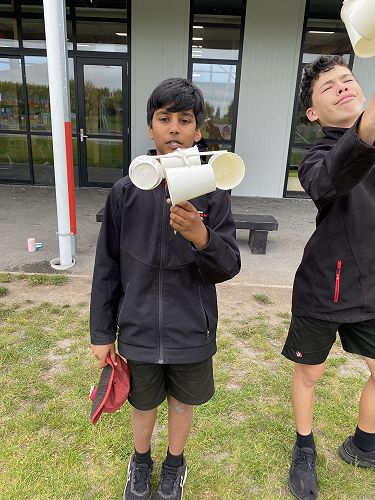
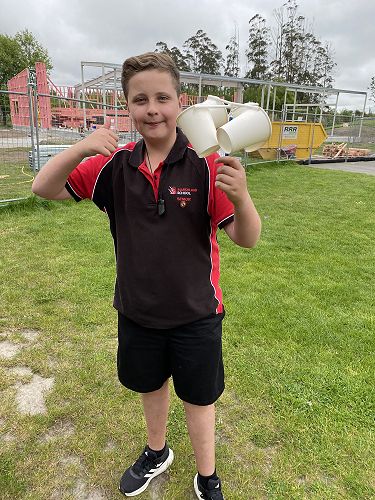
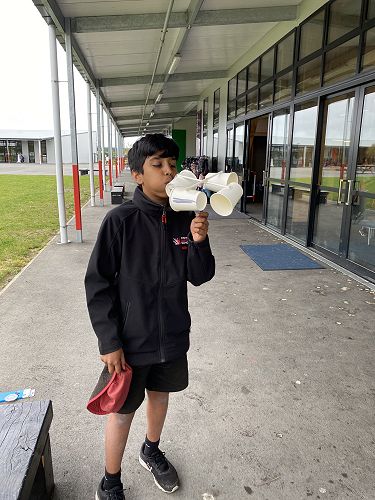
Anemometers are instruments used to measure wind speed. Tamariki designed and constructed their own anemometers. They observed how the rotation of cups on their anemometers varied with different wind speeds. This hands-on experience allowed them to gain a practical understanding of measuring wind. The day the tamariki created these instruments, we were fortunate enough to have some powerful winds where the strength and the durability of their anemometers were put to the test.
Understanding Atmospheric Pressure with Barometers:
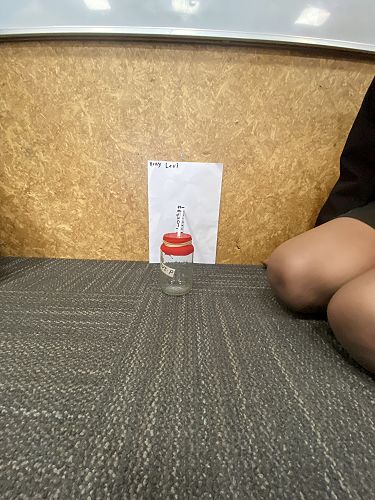
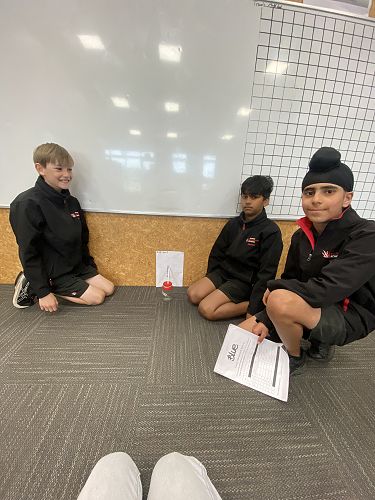
Barometers are used to measure atmospheric pressure. Our students' barometers showed how air pressure changes with shifts in weather. They could see how the pointer within their homemade barometers moved in response to fluctuations in atmospheric pressure.
Students learned that barometers and anemometers play a crucial role in monitoring and understanding atmospheric conditions, weather forecasting, safety, and various fields of science and industry. Their use contributes to our ability to make informed decisions and adapt to changing weather and environmental conditions.
We were most impressed by our students showing Ngātahi, their ability to collaborate and share ideas was fantastic. We look forward to seeing them continue to build their knowledge around the importance of understanding climate.
Gallery