Critiquing Scientific Evidence - Toroa (Year 7-8)
As Toroa moves into a new Inquiry focus, digging deep into the concepts of Innovation and Investigation, they have been getting the opportunity to conduct STEAM-related science investigations to spark their thinking and give a context to think critically about their investigative questions and methods.
With a series of STEAM (Science, Technology, Engineering, Arts, and Mathematics) challenges that would involve objects floating, falling, or sinking, the students-ākonga of Toroa have started their science wonderings by looking at the Forces that act on objects while falling or floating.
Toroa continued to use a Claim-Evidence-Reasoning model to help guide ākonga in making sound conclusions based on the evidence they observed, reinforcing the skills they were adopting from previous science lessons. Now, however, everyone was offered a greater range in choosing what to experiment with, and how they would conduct their experiments, using critical thinking and questioning skills to think about things such as whether tests needed to be repeated more frequently, whether their results were reliable, or if there were flaws in their methods themselves.
Beginning by looking at Gravity, everyone chose objects from among options supplied by the teachers-kaimahi and from amongst those they could see in the classroom. With a focus of looking specifically at whether shape or weight would affect the rate at which things fall, everyone began to form their own methods for testing their observations of their falls. Ingenious methods were created that tried to balance dropping objects at the exact same moment, as well as ways to more perfectly track the moment they hit the ground, such as the use of objects that made sound. The results were mixed.
Ākonga agreed with near-unanimous agreement that their results seemed difficult to track without being able to drop things from great heights, and that this would always be a flaw in their method, but that when watching the results back from those who recorded their falls, they claimed that generally objects with similar shapes, but different weights, would fall at the SAME speed. This was supported by the evidence of the slow-motion videos that shows objects of different weights (but again, similar shapes) falling at the same speed.
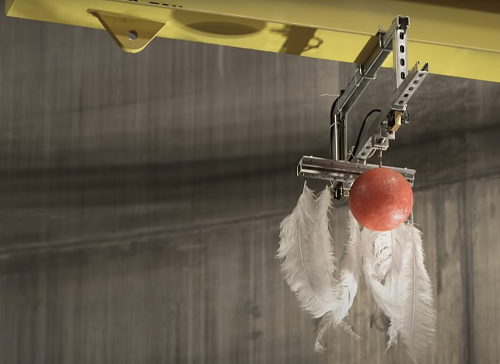
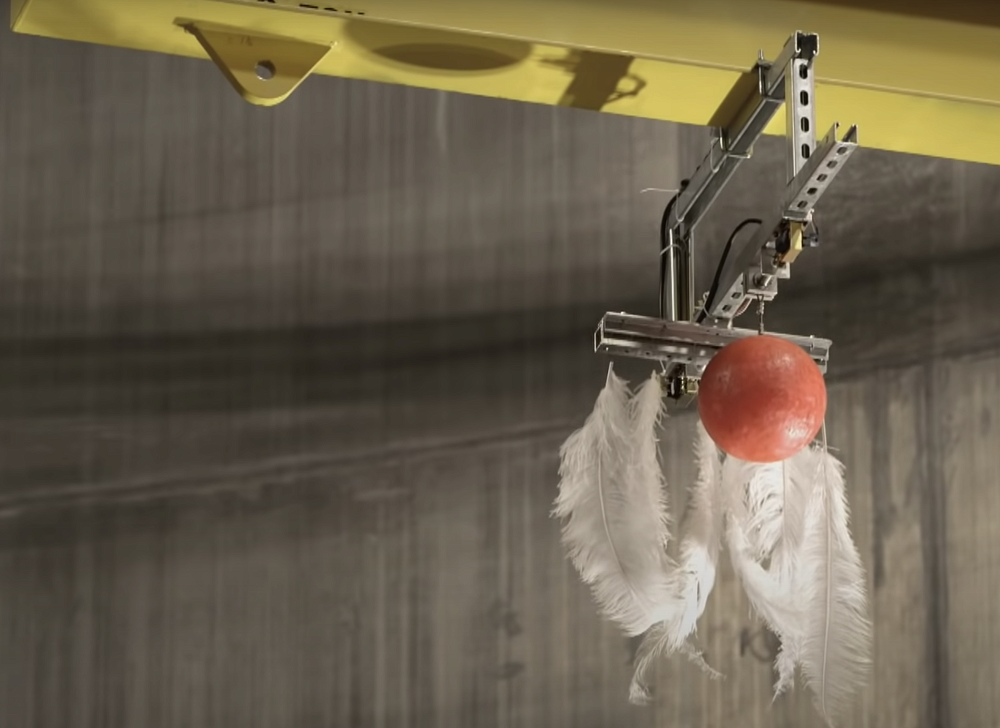
The idea that weight alone doesn't make an object fall faster than another was further supported by watching a video where a feather and bowling ball were dropped in a vacuum environment, leading all ākonga to claim that air drag must be an important factor when considering how an object falls.
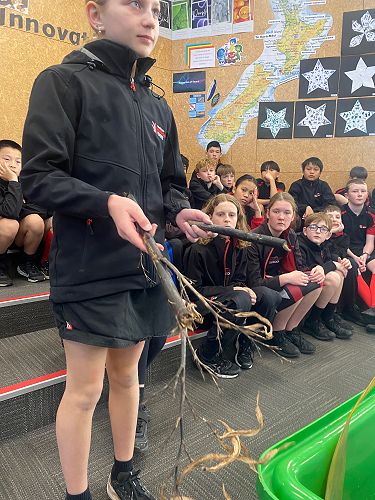
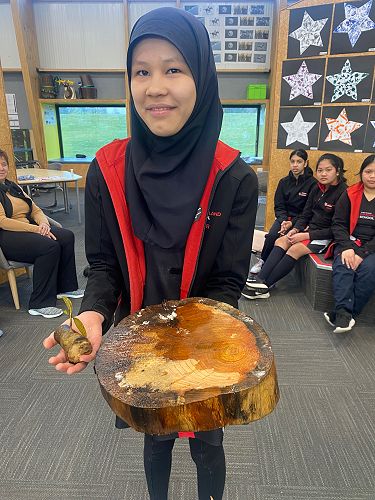
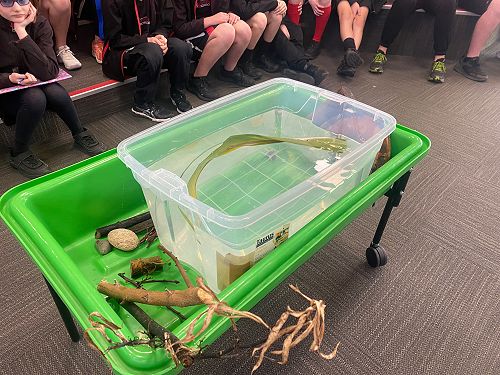
Next up came a look at floating and a look at how people, especially early Māori innovators, used certain ideas to create improvements in their waka, and create different vessels for different purposes, depending on the environmental conditions.
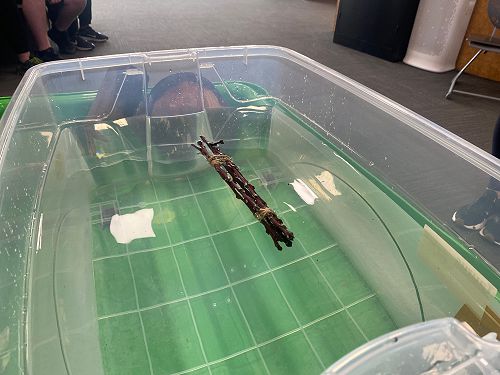
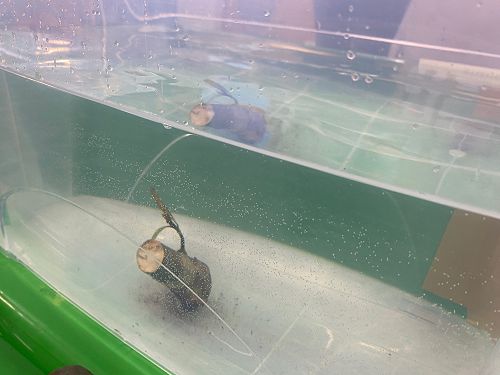
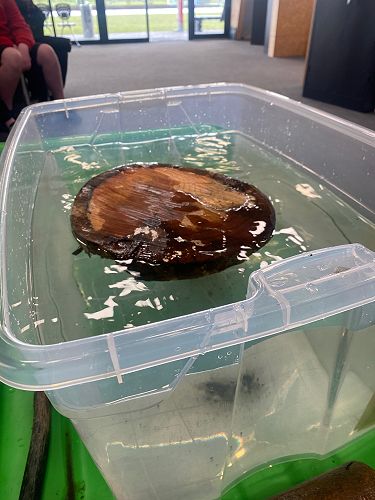
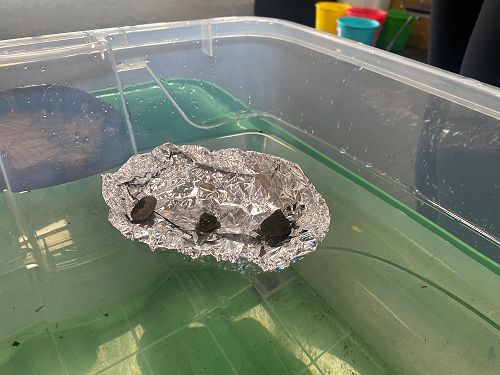
Ākonga experimented with different objects with varying shapes, sizes, weights, and densities, making a series of controlled hypotheses around which would float and which would sink. Using careful observations and their growing questioning skills, they quickly honed in on the noticing that the surface area and density of some objects seemed to be the largest factor in deciding whether something could sink or float. One of the most interesting tests being the comparison between pumice and river stones.
We can't wait to see what further claims everyone forms around our continuing experimentation in these areas, as well as the innovative ideas and creations that will result from thinking critically.
Gallery