
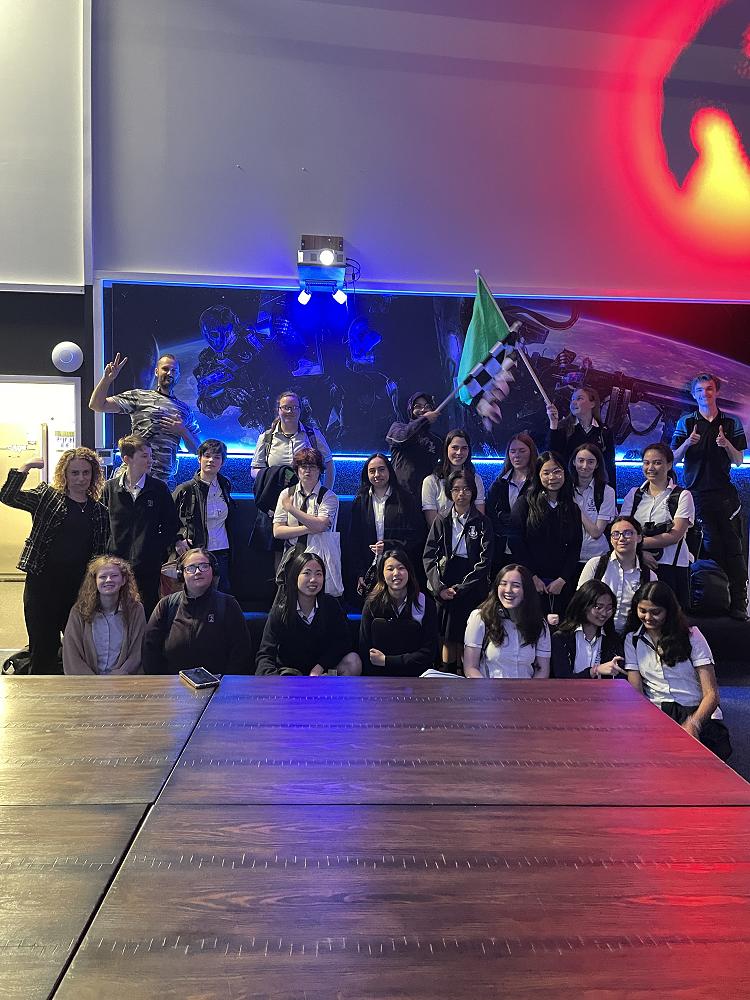
Immersive Learning: Our Unforgettable Class Trip to a Virtual Reality Adventure!
Last week, our senior Computer Science class was extremely fortunate to visit The Cave in Papamoa for an authentic, professional virtual reality experience.
The purpose of our trip was to provide students with the opportunity to immerse themselves in cutting-edge technology and gain a deeper understanding of virtual reality's practical applications in computer science. This visit to The Cave allowed our students to explore the intersection of computer programming, software development, and immersive simulations, providing invaluable insights into the future of technology and its potential impact on various industries.
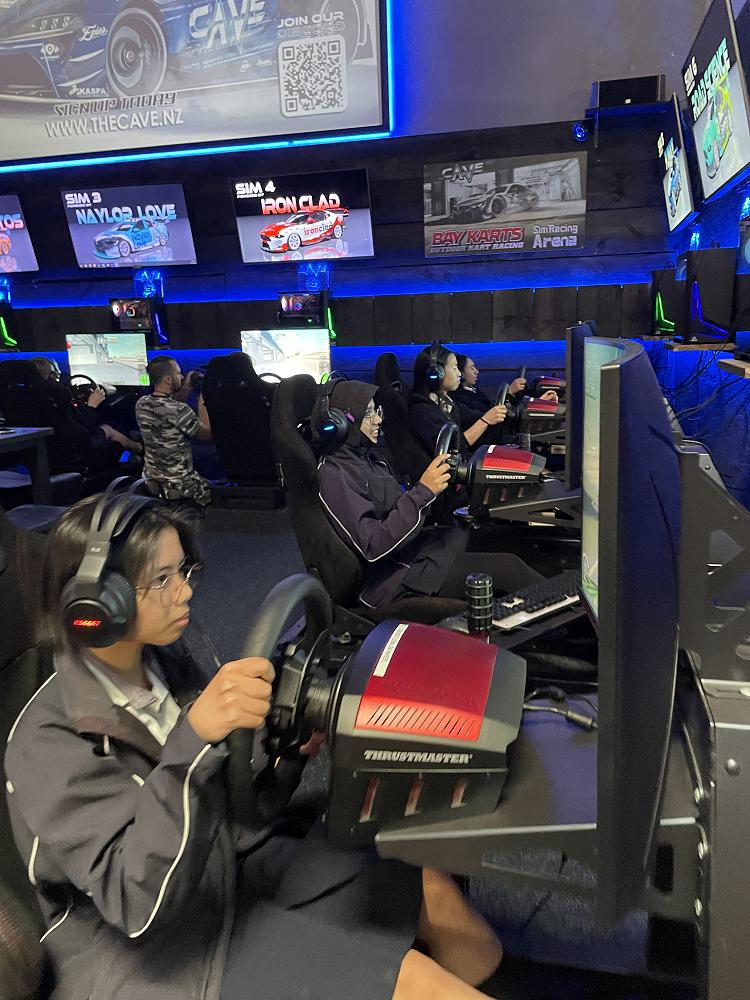
Virtual Reality (VR) is undeniably the future, revolutionising how we learn, work, and even receive medical treatment. With the rapid advancement of technology, VR has found its way into various aspects of our lives. In the realm of job training, it provides an innovative platform for immersive and realistic simulations, enabling individuals to gain practical experience and skills in a safe, controlled environment. Industries like aviation, military, and manufacturing are already utilising VR to train their workforce effectively.
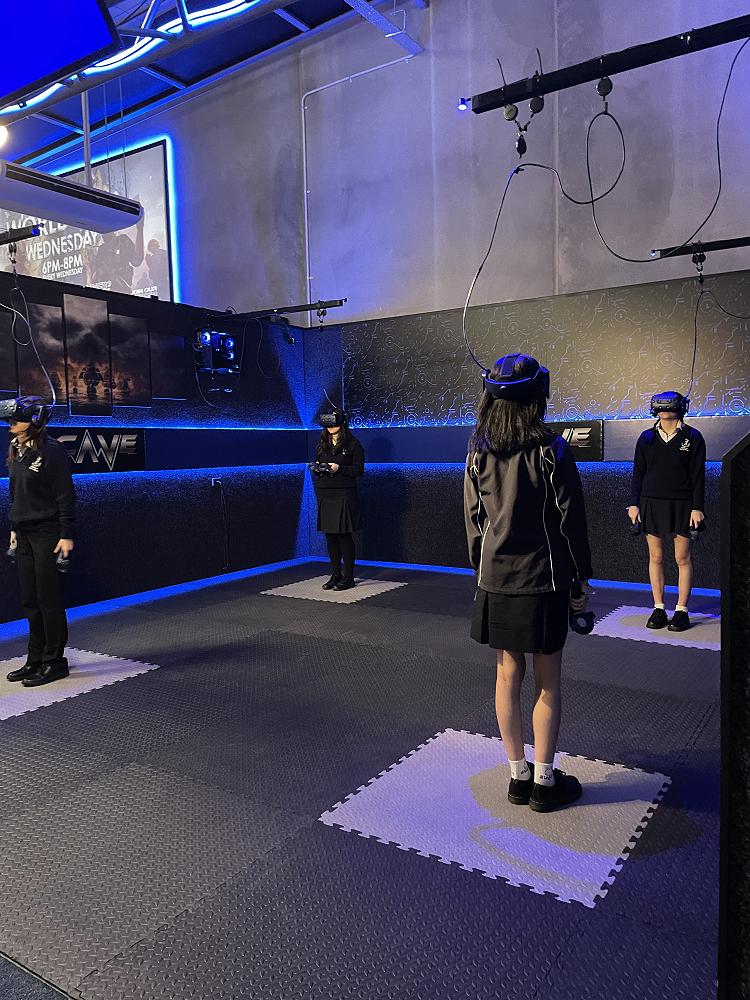
In the medical field, VR plays a crucial role in training and patient care. Medical students can now practice surgeries in a risk-free virtual environment, allowing them to hone their skills before ever touching a scalpel. Surgeons themselves are using VR for pre-operative planning and practice. Beyond training, VR is employed in therapies for conditions such as PTSD, phobias, and chronic pain management, offering a transformative approach to healthcare.
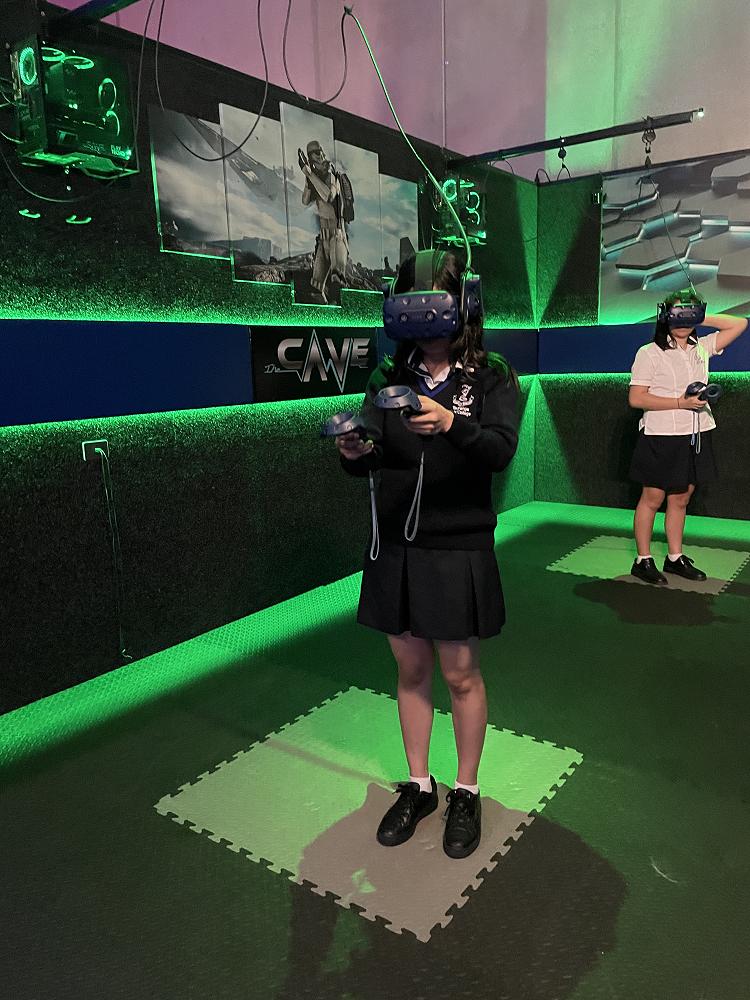
Education is another sector where VR is making significant inroads. It allows students to travel through time, explore distant places, and engage in immersive learning experiences previously confined to textbooks. It has the potential to make education more accessible and engaging for learners of all ages.
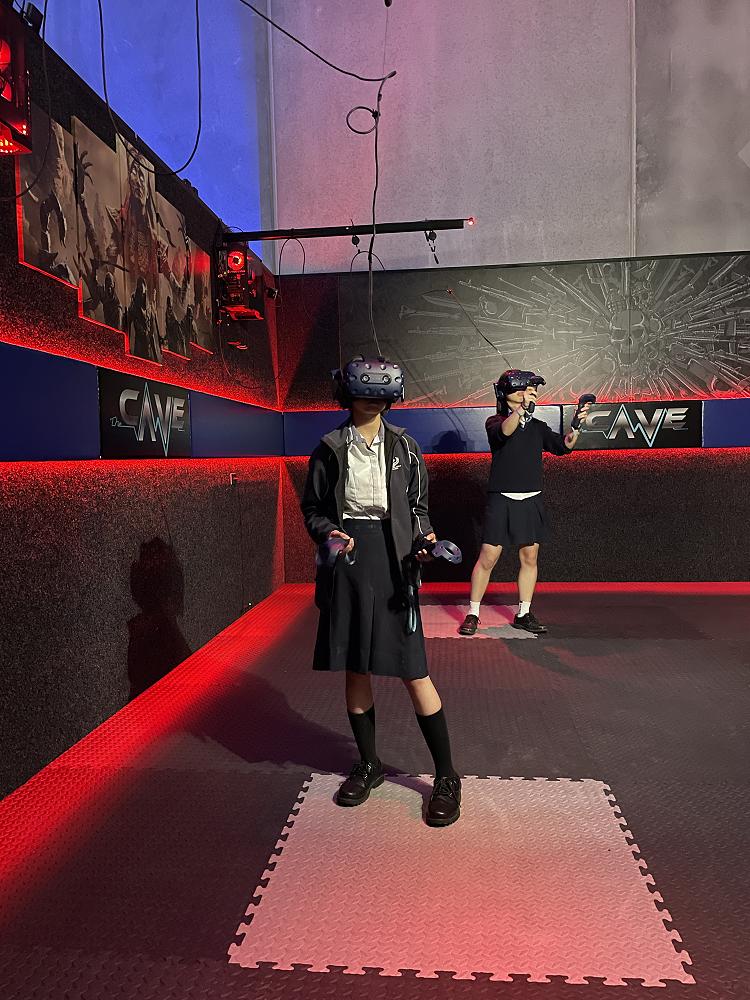
Furthermore, VR is influencing the world of entertainment, art, and architecture, allowing creators to craft breathtaking experiences and designs that can be explored and experienced in a 360-degree immersive setting.
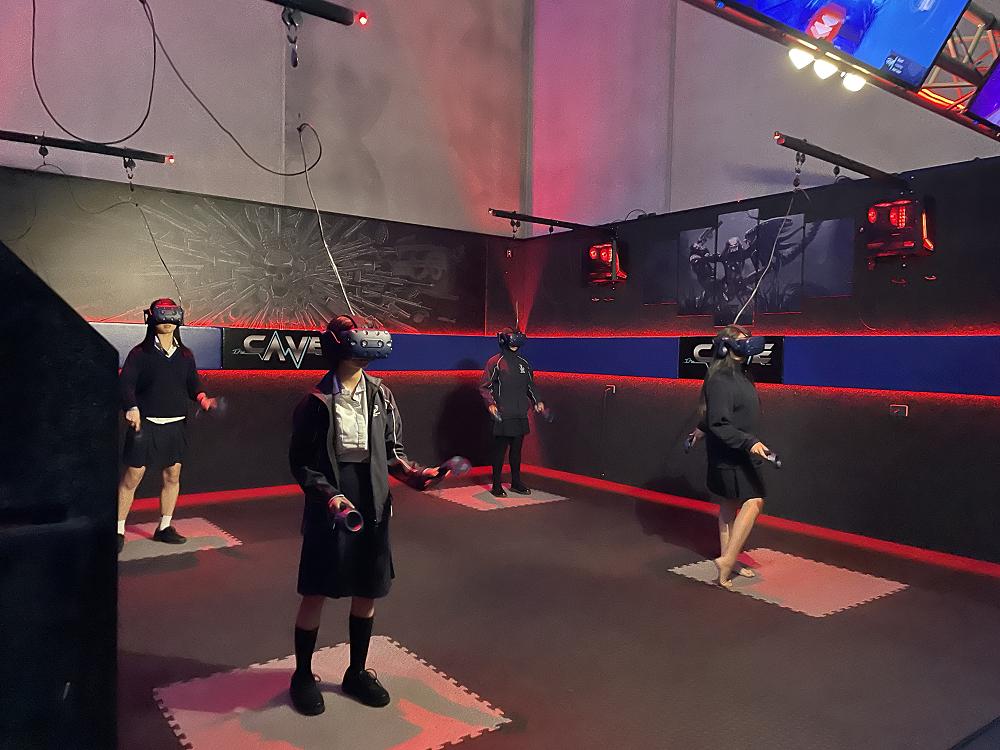
As technology continues to evolve, VR's applications will likely expand even further, shaping the future in ways we can't fully imagine. It is a versatile tool proving to be a game-changer in numerous fields, offering new dimensions of possibility and pushing the boundaries of what we once thought was achievable.
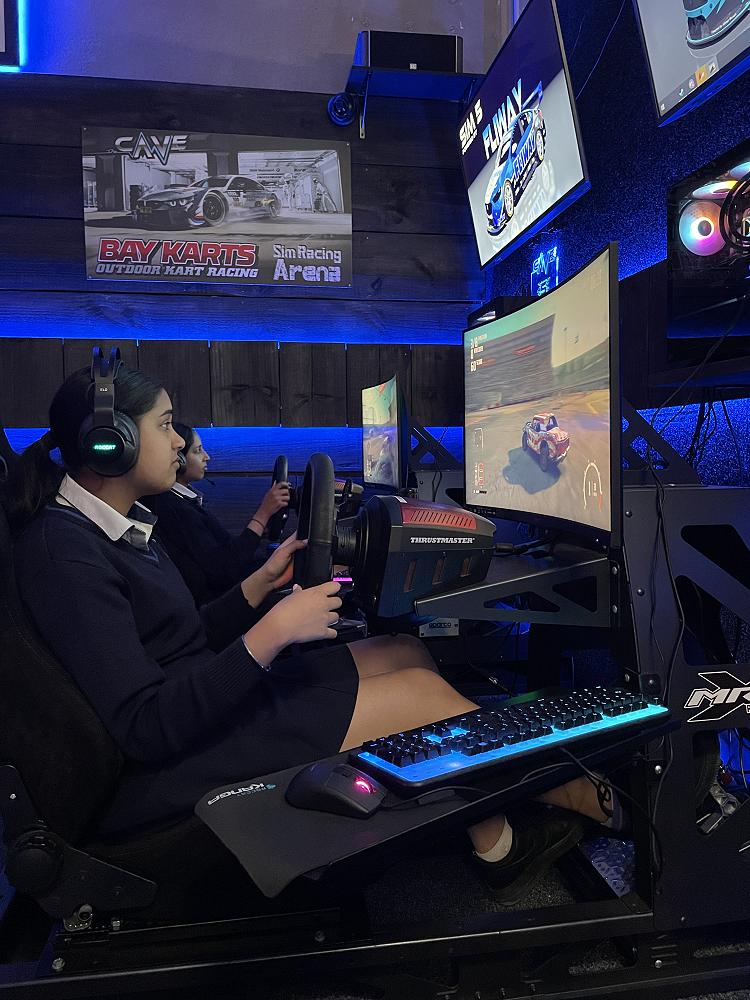
Mrs Jensen, TIC of Computer Science, has been upskilling in a range of VR tools, including A-frame, Unity and how to use our VR headsets, and has made plans to utilise these tools and skills in our senior Computer Science and Technology learning programmes next year.
Grace Jensen
Teacher in Charge of Computer Science, Assistant Leader of Learning Technology