
Internet safety: The teenage years
If you are concerned about your child's online behaviours, read below for more information.
* Teach your children how to discuss issues in person, instead of online. Conflict and disagreements are normal experiences - but some people need to learn how to manage their responses when conflict arises
* Help them to understand that even if they delete something, it still remains online and in their history, and can still be accessed by IT personnel or Police (if it ever came to that)
* Have discussions about reading the fine print when they sign up to an app - if they are not paying for it (Facebook, Instagram, Snapchat, Tellonym etc.) then they do not own the content they share - the people who own the app own their images, posts, messages etc. and can access them at any time for marketing, inspections or evidence in an investigation
* Future employers can see anything public they have ever posted or that someone has posted about them; ensure they are not posting messages or images that they think would hinder their chances of getting a job in the future
* Make bathrooms and bedrooms no phone zones - these are private and personal spaces used for sleep, rejuvenation and personal activities - not for photos to be taken or messages to be sent from. This makes them vulnerable.
* Ask them to have profile photos with either friends, sports teams or family members to show others online that they have a support system, are loved and cared for - this makes them less vulnerable to online predators and bullies.
* Turn the wifi off after a certain time or change the password regularly to limit access
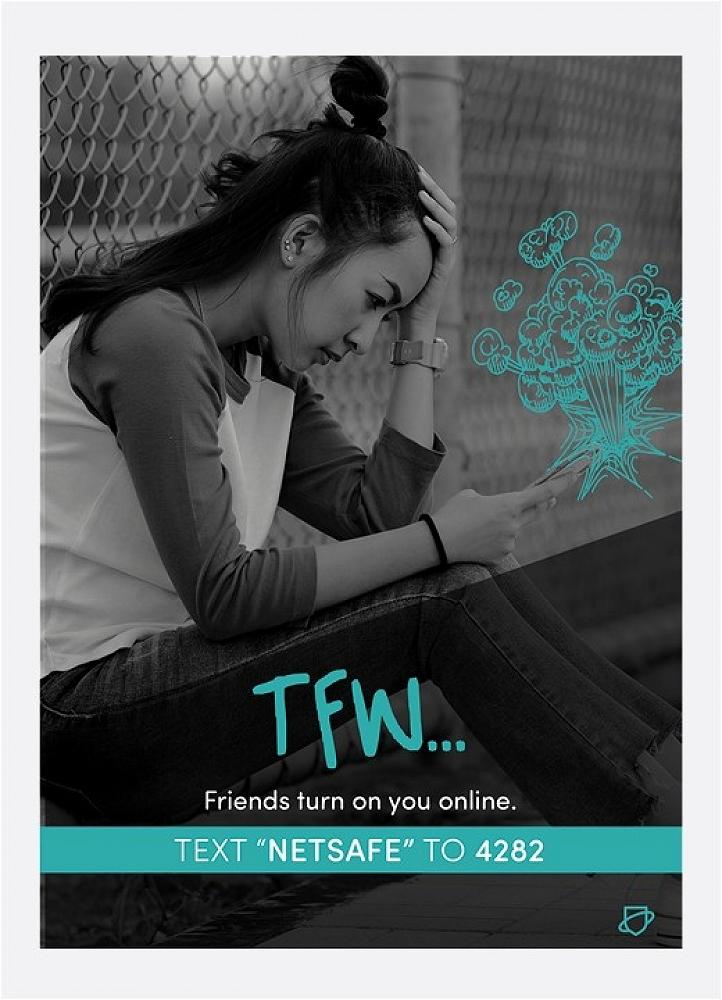
* Use NetSafe (www.netsafe.org.nz) to guide you through social media issues, technology changes and avenues of support