
Drive Smarter, Stretch Further: Tips to Beat the Pump
With fuel prices on the minds of many in our Titirangi community, we’ve rounded up some of the best science-backed advice from the Energy Efficiency and Conservation Authority (EECA).
Living in the Waitākere Ranges often means navigating winding roads and steep inclines, which can be tough on fuel consumption. However, making a few small adjustments to your driving habits can lead to significant savings - up to 15% or more on your monthly fuel bill.
1. Check Your Tyres Regularly
Under-inflated tyres create more rolling resistance, meaning your engine has to work harder to move the car.
The Tip: Check your tyre pressure at least once a month. Even being slightly under the manufacturer’s recommendation can increase fuel use by 3%.
Titirangi Note: Correct pressure also improves grip and safety on our wet, winding hills!
2. Lighten the Load
Are you still carrying around last term’s sports gear or heavy roof racks you aren't using?
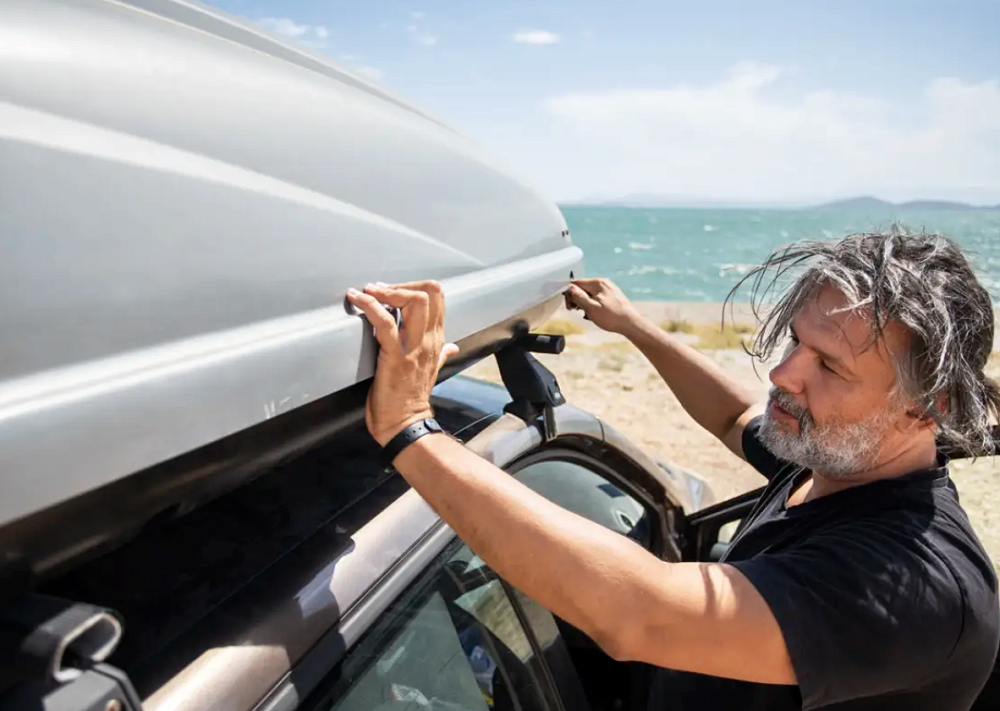
The Tip: An extra 45kg in your car can reduce your fuel economy by about 1%. Roof racks and boxes create massive wind resistance (drag), which can increase fuel use by up to 20% at highway speeds.
The Action: If you don't need the roof racks this week, take them off!
3. Master the "Smooth Move"
Aggressive driving - speeding, rapid acceleration, and hard braking - is a fuel killer.
The Tip: Imagine there is an egg under your accelerator. Press it gently and try to maintain a steady speed.
The Science: According to EECA, "eco-driving" can save the average driver around $500 a year.
4. Don’t Let it Idle
Modern engines are designed to be efficient. If you are waiting at the school gate or in a stationary queue for more than 30 seconds, it is more efficient to turn the engine off.
The Fact: Idling can burn between 1 to 2 litres of fuel per hour depending on the engine size, all while going zero kilometers.
5. Plan and Combine Trips
A cold engine uses significantly more fuel than a warm one.
The Strategy: Instead of three separate short trips to the village, try to "chain" your errands together. This keeps the engine at its optimal operating temperature.
Community Challenge: Carpool or Walk? If you live within a 1-2km radius of the school, consider creating your own carpool or walking school bus - meet at one person's home and go to and from together - either walking or in one car. Not only does it save you fuel, but it also reduces the congestion at our school gate, making it safer for all our tamariki.
By adopting these Gen Less habits from EECA, we can all do our bit for the environment and our wallets. Drive safe out there, Titirangi!