
Te Ao Māori Corner - Culture Connection
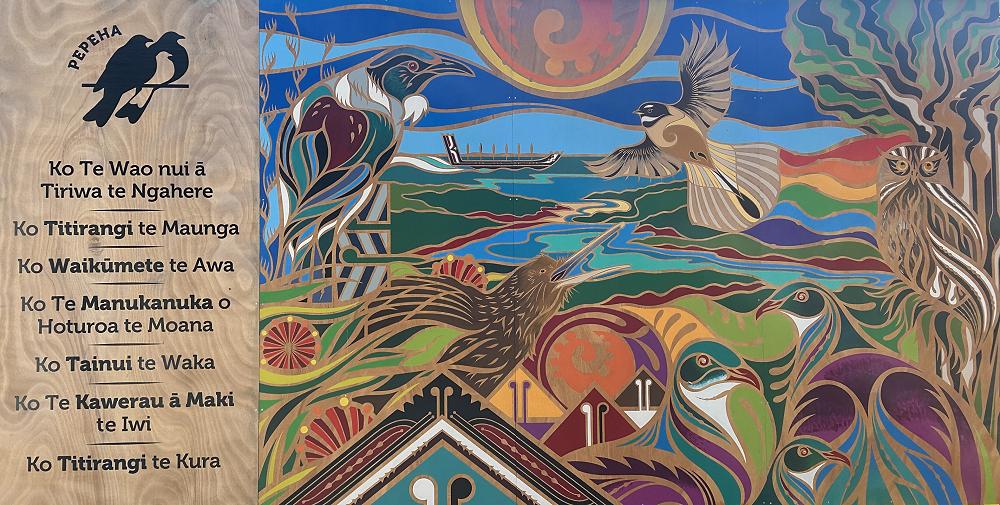
Connecting Through Whakapapa: The True Heart of the Pepeha. At Titirangi School, te reo Māori and tikanga are becoming a natural part of our daily rhythm.
You may have noticed your tamariki coming home talking about their pepeha. Across the school, many students are currently crafting, learning, or refining these traditional introductions.
It’s Not Just an Introduction—It’s a Connection
There is a common misconception that a pepeha is simply a way to say "hello, this is me." In reality, a pepeha tells a story of who you are and where you come from. In a Māori context, the primary purpose of a pepeha is to make connections (whanaungatanga). It is a way to link oneself to the land, the water, and—most importantly—to other people. For many Māori who may be reconnecting with their iwi or hapū. the pepeha is a powerful mechanism for finding a sense of belonging within kinship groups.
Respecting Our Different Stories
To ensure we are teaching with integrity, we use different pepeha structures for Māori and non-Māori students:
For Māori students: The structure focuses on ancestral ties to specific maunga (mountains), awa (rivers), and iwi. It acknowledges their inherent, indigenous connection to the land of Aotearoa.
For non-Māori students: We focus on making meaningful connections with the audience without misappropriating indigenous ties. This allows students to acknowledge the places they love and the heritage they carry, while remaining respectful of the unique relationship Tangata Whenua have with the environment.
By learning these structures, our students come to understand that while our stories are different, the goal is the same: to find common ground with those around us.
Bringing the Language Home
Our classrooms are buzzing with new sounds! You’ll see key vocabulary displayed everywhere—from daily instructions and greetings to words of praise. We would love for you to join us in using some of this reo at home.
If your child does something great today, why not try:
Tūmeke! (Too-meh-keh) – Awesome! / Choice!
He whetū koe! (He feh-too koy) – You’re a star!
Using these simple phrases at the dinner table or in the car helps bridge the gap between school and home, making the language a living, breathing part of our community.