
Sensational Science!
Congratulations to the following winners: Art Came and family from Room 3! You have received a science book, a microscope for your phone and a science experience with Mrs Moffat. Room 9 contributed the most to the survey so they win a science session with Mrs Moffat.
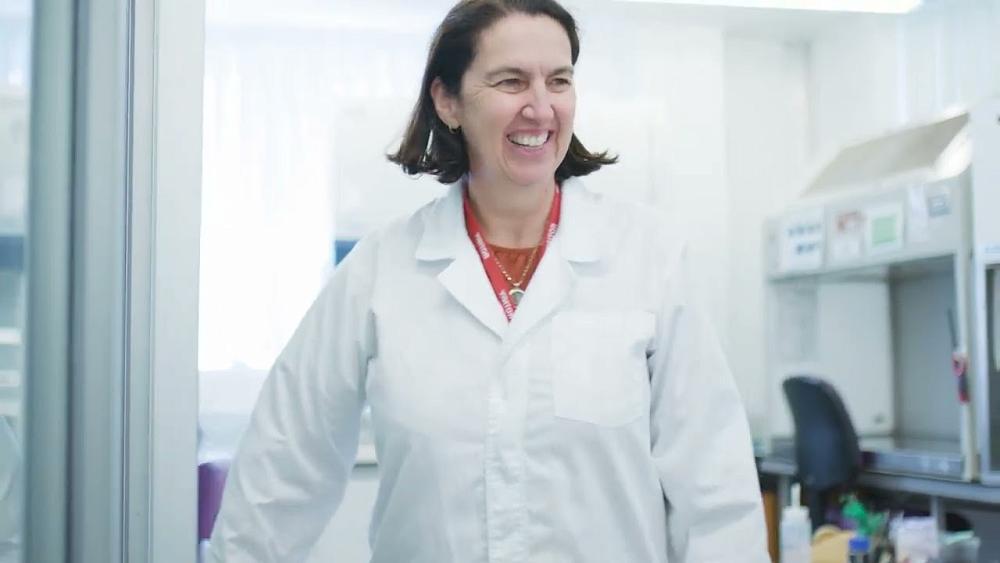
Here is a video that was recently published and summarises Mrs Moffat's participation in the Science Teaching Leadership Programme.
Feel free to ask her all your fungi and bacteria questions!
Thank you to the 117 families that engaged with the Science Survey and provided thoughtful and exciting contributions. We will publish the results of the survey next term and I look forward to working with you over the coming year to enhance science at our school.
The Science of Art
Whilst the children have been engaged with art this term it has also been a wonderful opportunity to explore the science of colour and I have included a couple of activities that your children might like to do to further their understanding of colour.
Once they have done this activity, can they split light into the spectrum
i.e. make a rainbow?
...and then ... can they replicate the white light with coloured torches?
So how and why do our eyes see colour?
Science provides an opportunity to explain the world around them. So 5 year olds when conducting these activities will be using their powers of observation to explain and describe what they see using their senses. Developing vocabulary to describe what they see is crucial to developing their scientific knowledge. Older children should be trying to connect it to other examples they have seen ie using the hose. They might even ask more questions that they could investigate ie what happens if you... change the colours on the disk around? ...spin it faster, or slower?
Next term we will be exploring how scientists use different language when sharing their ideas ie graphing, modelling, tables, symbols, and even English when needed! This is part of the capability that we want children to learn called Interpreting Representations.
When scientists summarise their information in these ways we can ask the following questions to help us interpret them:
What new words do I need to find the meaning for?
What does this graph or diagram tell me?
What information is not included? What else do I still need to find out?
What questions should I ask to find out more?
Keep being curious!