Sensational Science!
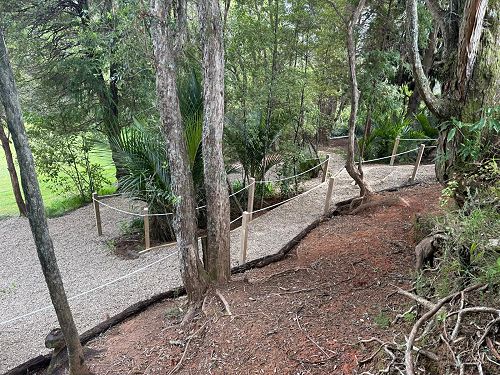
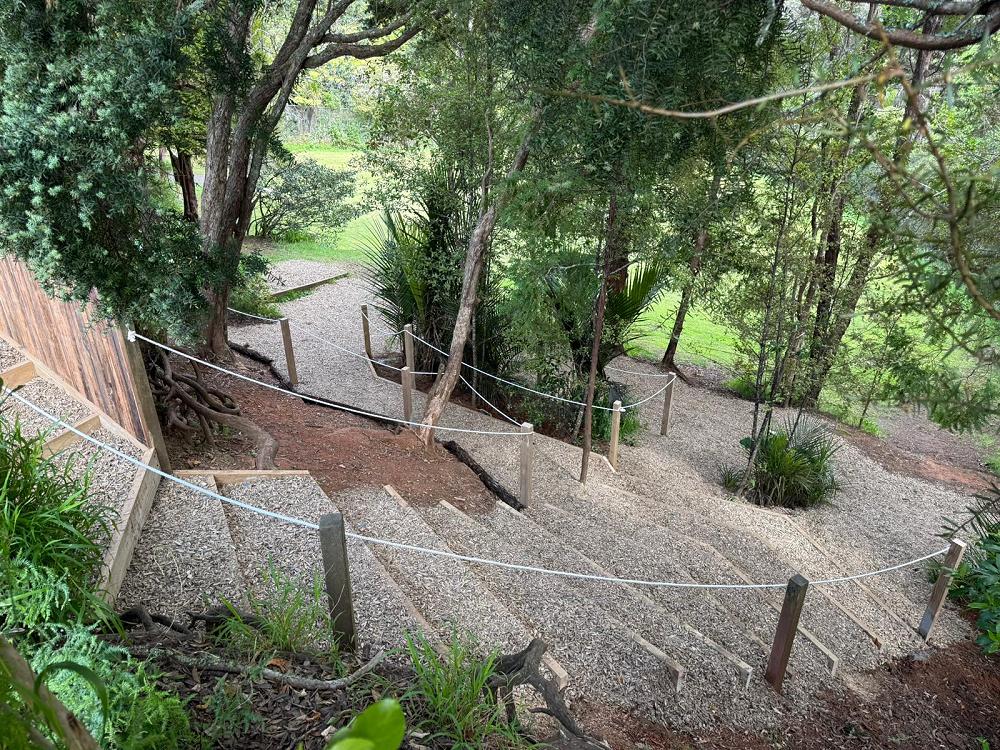
Our highlight this term was the opening of our ngāhere pathway between our two fields.
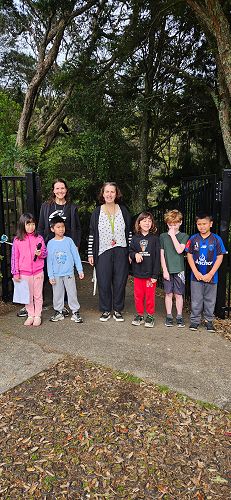
We had the help of two successful grant applications from Air NZ and Auckland Council and our thanks go to them. I’d also like to thank the students from Room 16 who have been learning about this site and contributing some ideas for its re-development. From surveying students' behaviour, to measuring the moisture content and identifying the plants that are in the forest, they have gained a good understanding about what the forest needs to thrive. Special thanks to Lee and his team from Garden Visions for bringing our vision to reality and Andrea and the Board for their support. Our work on this project reminds me of the whakatauki: whatungarongaro te tangata, toitu te whenua. As people disappear from sight, the land remains. It is how we interact with this land that our legacy remains. What will the land say when we have gone, about how we have cared for it? We still need to do some planting and add some art works, so look out for when the working bees are on so you can come and join us.We have visions of utilising this space as an outdoor classroom and learning about the ecosystem of the forest. When we know about the forest we are better kaitiaki’s of this space. Identifying our native trees, and the creatures that live within them help us to connect to place and build our community, along with learning traditional Māori Pūrākau (traditional stories and legends)
This term the students will be using the capability Critiquing Evidence as part of their science learning. This helps us to be critical thinkers and be sceptical about the information we receive as well as questioning the validity and reliability of results. For younger students this might mean redoing an experiment to see if you get the same results. Or in middle school, it might mean changing the variables of an experiment to see the effect of the change on an experiment. For our senior students it might mean checking where our information comes from, and whether it is a source that can be trusted when investigating plausible reasons for scientific understanding.
Encourage your children to be sceptical about what they see, hear and do with questions such as, How do you know? How could we check?
Here's one to try at home:
Collect a sample of different leaves. Is there a way to measure them? Give your leaf to be measured by someone else. Do they measure the same way, or get the same result? Why? Why not? Why is it important to know the size of leaves?
Stay curious!
Gallery