
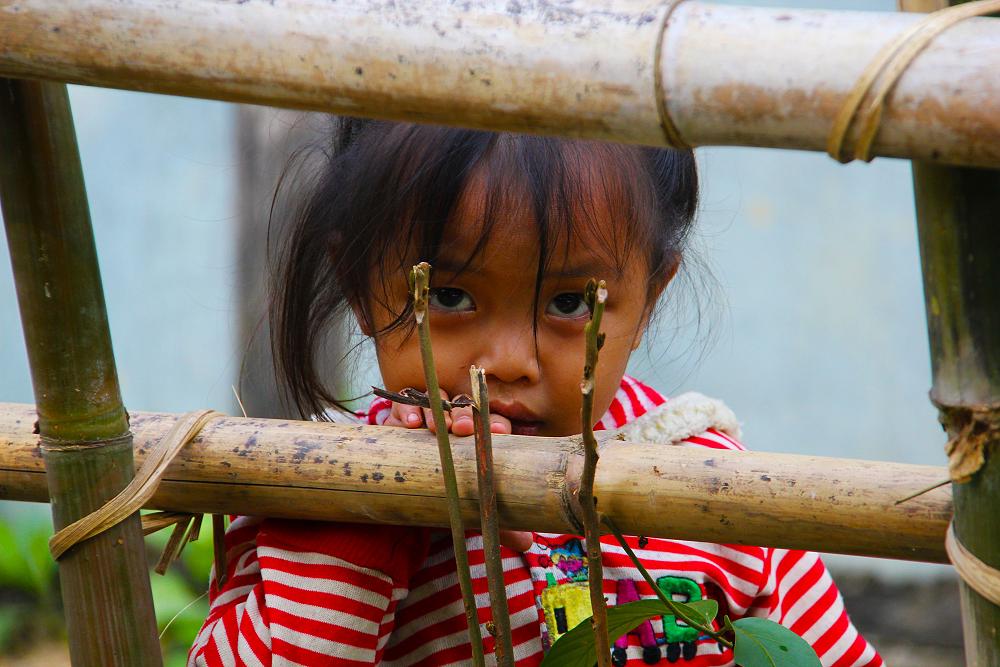
When Doing Good is not Good
The overseas volunteer experience has grown in popularity but not without an accompanying growing critique. There are some key questions to mull over concerning how our actions impact upon others before we embark on this type of journey.
Volunteering at orphanages is popular, particularly for young people travelling overseas for the first time. While helping vulnerable children in difficult situations seems an undeniably worthwhile cause, in practice, it is fraught with complications. I discovered this when I lived overseas and became familiar with the ChildSafe Movement, which offers a new approach to protecting children in developing nations and advocating for ethical volunteering. They say: “Don’t Create More Orphans. Out of an estimated 8 million children living in institutions across the world, more than 80 per cent are not orphans. Donating to support such institutions fuels the orphanage industry, places more children at risk and tears families apart.”
According to the 2009 Save the Children Annual Report, most children in orphanages come from poor families in poor communities. Parents and caregivers are promised that their children will be provided with education, housing and food if signed over to the orphanage. In reality many of these children are abused and they suffer for living away from their families. People working in the international development community strongly advocate that instead of supporting orphanages we support poor families to improve their situations, creating a better environment in which to raise their kids themselves. This involves support to generate more income, solve health issues, and other areas which sustain life.
Also, we can think about why we may be interested in volunteering overseas. Is it the experience itself we want or are we committed to long-term change for poor communities? I think that what motivates a person who volunteers and someone who wants to go travelling is remarkably similar and it is important we acknowledge this and are critical of our motives.
We often meet people who have volunteered in orphanages for a couple of weeks because they felt an obligation to “give back”. They see their own background as one of relative wealth and feel privileged in being able to travel to developing countries with relative ease. While this is a noble impulse, the sad reality is that their actions contribute to the problem by propping up a system that keeps people in poverty.
So raising awareness of the impact volunteering has on poor communities is essential. It provides people with information and tools to be critical of their engagement in the voluntourism sector. More important is our wider conversation about the idea of “doing good” and how these narratives are marketed by the volunteer sector. And we can’t blame volunteers for making poor choices — it is the responsibility of aid organisations to point those who wish to donate, contribute and help in the right direction.
Charities need money to survive and rely largely on donations from individuals to keep afloat. Because of this dynamic, appeals for funds are marketed in ways that create a sense of connection and urgency for the donor — but they reinforce the idea that big problems can be solved with simple solutions with relatively quick changes. This type of narrative — “donate now to save a child’s life” — not only ignores the complexities of poverty, but also reinforces the idea that simple actions are all that it takes to lift people out of poverty. All of which makes the idea of volunteering seem even more worthwhile.
Young people in particular feel pressured through social media to experience a “culturally authentic experience” while travelling. There is often emphasis on the need to make personal sacrifices to prove the experience worthwhile. But it isn’t like that! I can attest that having food poisoning far away from home, missing family and being surrounded by cockroaches, is the very opposite of a romantic, wistful experience. But that’s what happens: such experiences are spun as heartfelt and fulfilling stories. This can be incredibly intimidating for newcomers to the travel and volunteer experience, who feel they need to jump in the deep end whatever the personal sacrifice just to feel they are contributing to the cause.
I think there are many better ways we can contribute to helping impoverished children. For long-term change, it’s a great idea to donate to a well-respected, experienced charity that is doing the work we admire. Our donations better equip them to develop their long-term strategies and expand their programmes. Another way is to purchase goods from Fairtrade organisations. They are helping families directly to generate more income so that they are in a better position to support their children.
However, if you are committed to volunteering, then it is valuable to think about your own skills and how they could contribute to the work of the place, rather than aiming to work directly with children. You may be in the fantastic position of helping an organisation set up a new accounting system, or write a funding report. Such contributions provide the staff with new and valuable skills that help them with their long-term mission.
Tui Motu Magazine. Issue 221 November 2017: 26.