
Anahera
Petra Zaleski shares the compassion that prompted the Onehunga Anglican community to claim and name Anahera.
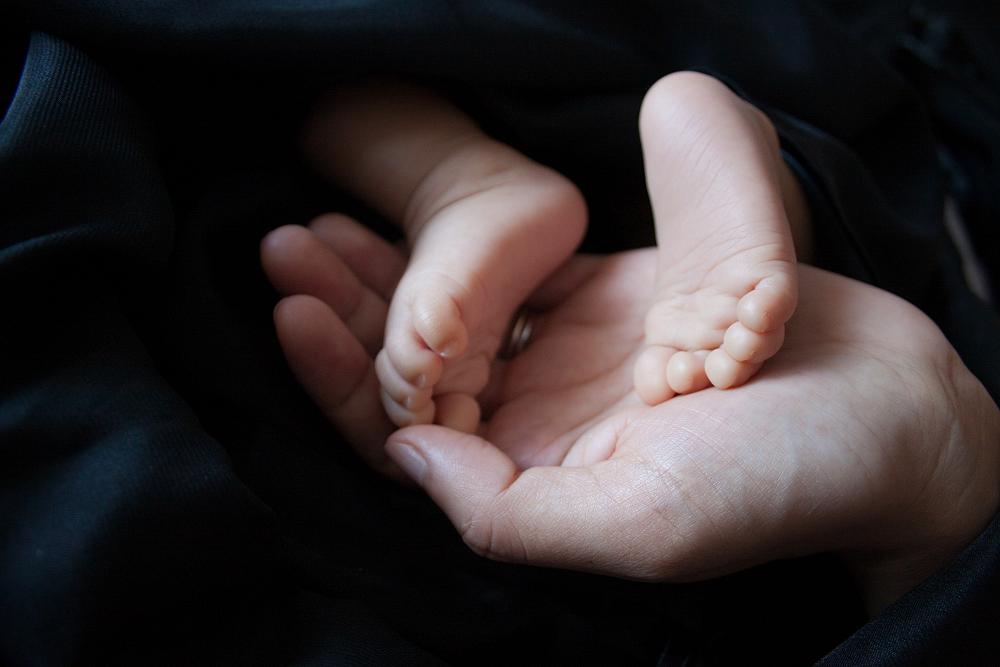
The body of a new-born baby girl was discovered at Visy Recycling, Onehunga on 16 August this year.
She was carried by womb into the world, then crudely borne with a truckload of waste into the heart of our incredible community.
I was on leave the day that Dayna Townsend, my good friend and Vicar’s Warden, called. With an urgency in her voice, she asked if I’d heard the news. She told me about a police report on a Facebook post that said that this tiny baby girl was now lying “unclaimed” in the mortuary. “She has no name, and no one to give her the funeral she deserves so she can be laid to rest.”
Profoundly moved, Dayna shared her unwavering conviction that this little baby lying in the mortuary, should neither be alone nor “unclaimed”. “This baby can belong to us. This community can claim her, and this community can lay her to rest,” she said. Dayna knew that St Peter’s and our wider Onehunga community, with the support of Councillor Josephine Bartley, could offer this child what she deserved and needed.
So, we would invite this little child to come under our roof; to be part of a family who claimed her, loved her and laid her to rest. We would affirm her as a beloved child of the Beloved, never to be alone, or covered in the pain of shame, seemingly unacknowledged and unnamed.
Dayna is also a mother. She has lost three babies in miscarriage: "My own grief over their loss has been mirrored all across our community.”
I have received phone calls and seen the posts and comments on our on Onehunga community Facebook page — these are the voices of so many people across diverse backgrounds sharing their love. Sometimes, it's the shared grief of loss touching into the surface of life, after years of buried emotions. Most haunting, and most named, is shame.
I have heard the stories of women unmarried, who were sent away to an “aunt”, or to other places, with an “unwanted” pregnancy; women who have been unable to birth their own children; women who have experienced sexual violence and become pregnant; women who have experienced the pain of miscarriage; women, who through many different contexts, have been disempowered to care for and keep, their own children. These are the everyday stories of women in everyday life — women I meet at the supermarket, in the streets, at school, at work and in our community. What choices are really available for them?
As I continue to listen to women’s voices across cultures, faith traditions and across the spectrum of the haves and have-nots, I hold in my heart the one who carried this little one within the warmth of her own womb.
Why must women continue to carry this sin? Why must women carry the burden of ongoing, embodied crucifixion when the shame is embedded in oppressive religious and cultural structures and systems? Why do we continue to judge, when our tradition preaches non-judgement? It seems to me our theology remains indecent and inhuman, in its sinful attempt to be better than human — at pains to keep up the appearance of “decency”.
Jesus’s words ring in my ears: “Let the one who has not sinned throw the first stone” and “Take the log out of your own eye before the splinter in the other’s.”
This woman’s voice remains silent. Her story is yet to be told.
I’m told that her baby has been gifted the name Anahera – Angel, in the voice of te reo Māori. If angels are the messengers of God, what is the gift in Anehera’s birth, her life and her death?
The members of this gathered community, with their shared expression of loss and pain and love, are real in their embrace of Anahera.
In their compassionate invitation and outreach to her family, and to those suffering, in the spirit of offering a final goodbye for Anahera, it is this community which embraces the body of Christ. #IloveOnehunga
Tui Motu Magazine. Issue 264 October 2021: 23