
Equality for All
It’s been interesting to hear in recent weeks how some of the world’s wealthiest people have fled to New Zealand during the current pandemic.
While it’s unsurprising to hear they’ve been drawn to the land of the long white cloud in times of trouble, there’s an underlying truth that bears repeating: it’s the ultra wealthy making the migration.
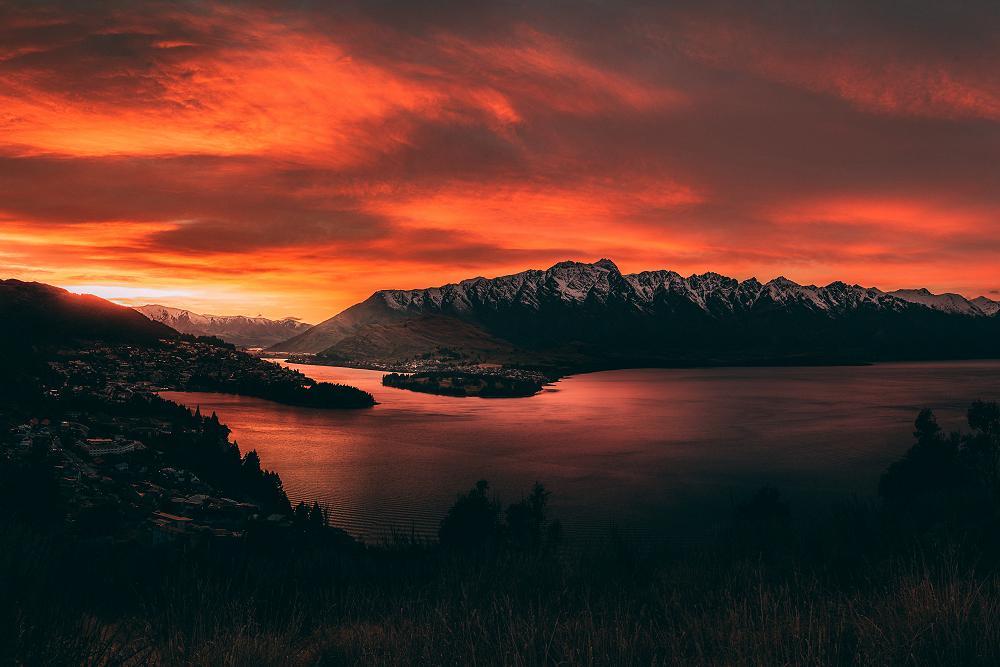
As a Queenstown contact was telling me the other day, locals have watched on with curiosity as their airport — usually home to 737s bringing the usual thrill-seeking tourists — has been cluttered instead with a steady stream of private jets.
I imagine the same thing was happening in Auckland, with jets bringing in those looking to hideout in Waiheke, known in some circles as the “Hamptons of New Zealand”, where house prices have soared due to the influx of the well-to-do over the years. Now, those well-to-do are coming to roost.
Tech tycoons like Peter Thiel, the billionaire founder of Paypal, hedge fund managers and Hollywood directors, are among those who have boltholes dotted around the country.
While there’s nothing wrong with migration and open borders, there's an unfairness inherent in the ability of the wealthy to escape danger in difficult times. They leave the poor to fend for themselves.
At a time when most people are confined to their modest homes, the rich are not short on space. When travel restrictions keep us within our suburbs, the super-rich can charter their own jets for whatever far flung destination they choose.
The Australian media mogul Kerry Stokes flew from the elite ski slopes of Aspen, USA — a COVID-19 hotspot in its own right — to Perth. On arriving he headed off to his mansion, circumventing Western Australia’s tough restrictions and avoiding the quarantine imposed on everyone else, having sought a special exemption from the police. Coincidentally, he ranks as the state’s most influential resident.
Others who normally haunt boardrooms in Silicon Valley have done the same — simply jetted into their multimillion dollar New Zealand boltholes. While the poor and vulnerable have struggled to find and purchase essential items, I imagine this elite cohort have not broken a sweat securing what they desire.
In these worst of times, what we always suspected has been laid bare: money and influence mean the rich simply do not have to follow the rules, restrictions and realities that apply to the rest of us.
It is as if they occupy a different plane of existence. It’s not difficult to view this kind of power as a sort of neo-colonialism — powerful, predominately white, men land in a new land and seize what’s on offer from the locals.
That's why I was pleasantly surprised to see Jacinda Ardern opposed one policy that would have offered visas to anyone willing to "invest" US$50 million or more in the country. While the policy may have had financial merits, I think the Prime Minister put it best when she said: “We don't want people paying for passports."
Perhaps living in Australia, with its horrific track record on immgration, it’s easy to see the injustice in denying refuge to the poor and the desperate and at the same time granting it to the uber-wealthy. It is worse when many of the rich are coming from the United States, a country where the few have accumulated vast wealth while the many are denied even the human right of healthcare.
Recently, a photo emerged of a Las Vegas open air carpark that had been converted for the homeless when the shelters were shut down. The carpark was marked out in large rectangles in spraypaint within which a homeless person or family could sleep while keeping a social distance from others. That’s the kind of imagery that sends chills down my spine. Bankruptcy is equivalent to a death sentence in that city in good times; how much worse it is in bad times.
I think that wherever we call home during this pandemic, it’s essential that we are in solidarity with our fellow citizens and not lose sight of the reality we’re all living in.
Tui Motu Magazine. Issue 249 June 2020: 3