
Kua hinga te tōtara i te waonui a Tāne
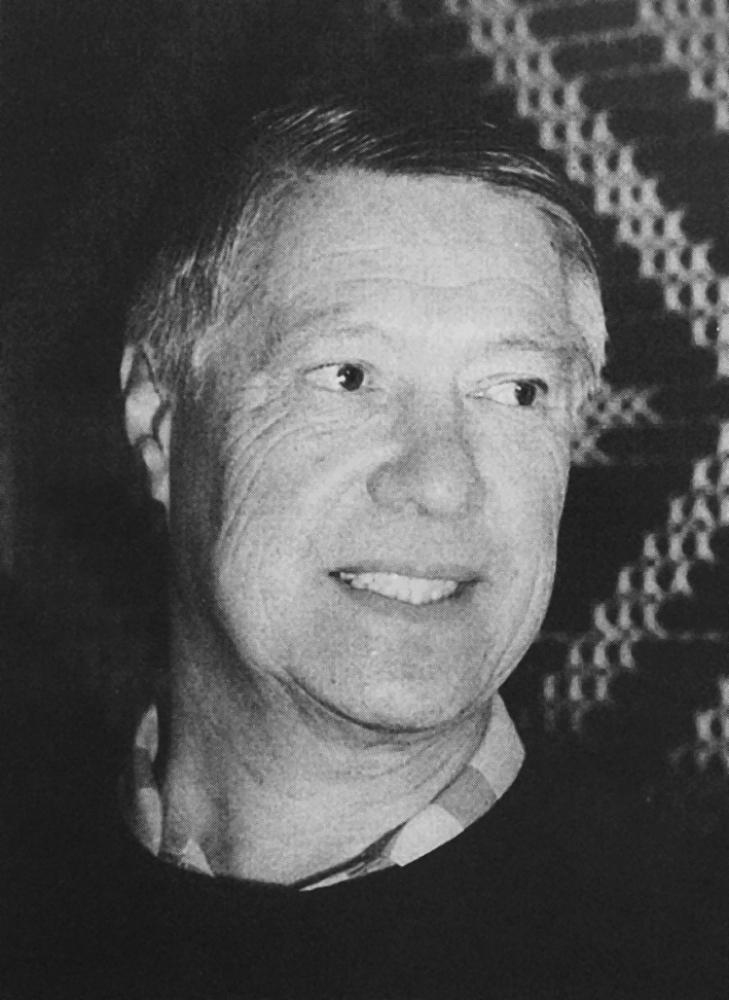
A tōtara has fallen in the great forest of Tāne. Pā Henare Arekātea Tate, 23 March 1938 - 1 April 2017.
The tangi of Pā Henare Arekātea Tate at Motuti, Hokianga lamented and celebrated the fall of a mighty tōtara in the forest. Under the shelter provided by that tree wonderful things have happened.
Pā Henare’s passion was Māori spirituality and theology. He planted a little seed that, nourished by Māori tikanga and kaupapa together with Catholic faith, flourished into a full-grown tree. He shared his passion generously with a multitude of small groups such as an isolated Māori Catholic community in Ruatoria. He produced the sacred musical Christ the Māori. He constructed and taught more formal programmes for Māori lay leaders and lectured in Māori Spirituality and Theology in the School of Theology at The University of Auckland, touching the lives of many Māori and Pākehā. It became apparent that what he was researching, saying and teaching needed to be brought together in a way that would make it more widely accessible in Aotearoa.
Vatican Council II teachings, particularly those located in Ad Gentes, the Decree on the Missionary Activity of the Church, and subsequent papal and episcopal teachings, emphasise the need for inculturation. Pā recognised the importance of inculturation and responded enthusiastically to the challenge. It led him to begin researching and writing, under the guidance of Dr Rev John Dunn, what later became Pa’s doctoral thesis — Towards Some Foundations of a Systematic Māori Theology: He tirohanga anganui ki ētahi kaupapa hōhonu mō te whakapono Māori. The thesis was foundational for his 2012 book He Puna Iti i te ao Marama: A Little Spring in the World of Light. Both documents are of significance for Māori and Pākeha Catholic and also for all who live in Aotearoa where positive and life-giving race relations can at times seem elusive.
While Pā Henare deserves honour and esteem for his contributions to theology, it is his simple humanity that is even more noteworthy. Pā was always willing to step in and help when asked. On the eve of an imminent publication last year, I discovered with dismay that a photo to be included in the chapter on the little church, Hāto Hōhepa, at Ōkakewai, Hokianga, had a name missing. I phoned Pā Henare and asked: “Do you have a name for the woman in the photo?” He called back much later that evening with the name admitting with a laugh that it had taken him two hours to find someone who knew. This was a typical and endearing response from a generous man who by then knew that he was seriously ill.
Pā Henare understood that genuine inculturation also requires fidelity to our Catholic tradition. Understandably, the first Protestant and Catholic missionaries brought with them the faiths of Protestant England and Catholic France. Nineteenth-century mainline Churches struggled with the challenge of honouring Māori as the tangata whenua and of recognising that God’s Spirit was with Māori long before the first missionaries arrived. In 1986 Pope John Paul II had told Aboriginal and Torres Strait Islanders in Australia that at the
“beginning of time, as God’s Spirit moved over the waters, he began to communicate something of his goodness and beauty to all creation. When God then created man and woman, he gave them the good things of the earth for their use and benefit; and he put into their hearts abilities and powers, which were his gifts. Throughout the ages God has given a desire for himself, a desire which different cultures have tried to express in their own ways.”
At this time, Pā Henare was already “walking the talk” indicating his awareness of and belief in the presence of the Holy Spirit in the life and religious tradition of Māori.
At the same time, he understood the truth of what the first French missionaries brought to New Zealand. Unsurprisingly, it was Pā Henare who ensured that Bishop Pompallier’s remains were returned to Aotearoa in 2001 and buried in St Mary’s Catholic Church at Motuti in 2002.
These two priests, separated by time and culture but united by faith, are great gifts to the Catholic Church of Aotearoa. It was a beautiful moment for us at Motuti when Bishop Pompallier’s remains were raised within the little church and people went up to honour both priests whose contributions to our local Church and society cannot be fully measured.
Tui Motu magazine Issue 215 May 2017: 3