
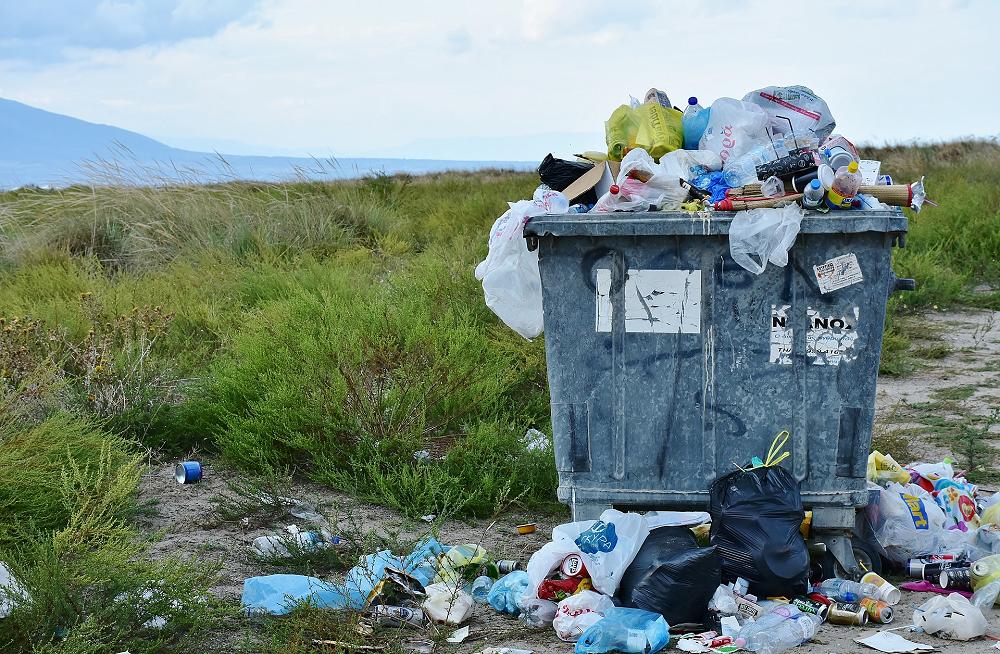
A Plastic Eternal Life
Bridget Crisp outlines the problem of disposing of plastic waste and recommends we reduce our plastic footprint.
The word plastic is increasingly becoming associated with pollution. Plastic is now the second largest environmental disaster on planet Earth — surpassed only by climate change — an ever-growing problem that is entirely of our own making. The product — that scientists and chemical engineers developed in the 1950s and then marketed as cheap, durable and mouldable — now influences almost every facet of our lives, from paint to packaging, from clothing to drinking straws.
The problem with plastic is that it’s designed to last. The first 30 years of plastic production was associated with textiles, paints, car interiors and plastic crockery — things we use and reuse and rarely dispose of.
The use of plastic for packaging at that time was almost non-existent. There was a change in the late 1970s and early 1980s when more and more consumer goods began to be packaged in plastic. Plastic packaging soon began to fill rubbish dumps so that more new sites were needed to take our waste. Suitable dumping sites became harder to find so that recycling was encouraged, becoming its own thriving industry.
Recycling
However, recycling can also contribute to plastic pollution. That’s right! Recycling, although helping to reduce the amount of rubbish in our waste disposal sites, has created a new and different plastic problem.
When plastic is recycled it becomes an inferior product to what was originally produced. And as well as selling it as an inferior product, recyclers will do one of two things. They will either wrap it between two layers of “new” plastic to make a more complex product, or turn it into fibre for filling goods such as jackets and sleeping bags, or incorporate it into clothing.
The more complex plastic product then becomes more expensive to recycle — which means that recycled plastics are more likely to end up in landfill. And perhaps worse, when the plastic fibres used in clothing and stuffing are washed, they begin to break up. The result is that minute microfibre threads end up in our waterways, find their way to the ocean where they enter our foodchain if fish consume them.
Plastic Resists Decay
Plastic, designed to last, does not break down. If it does, it is well beyond the life span of humans. Our landfill sites, when full, are covered over by enormous quantities of earth and then recreated as sports fields and parks. The “tip” is forgotten, except for the oldest among us, becoming “out of site, out of mind”. Most of us believe that our rubbish will break down into the soil.
We had a reality check in February when a storm exposed a Greymouth landfill site close to the coast that had been filled in over 20 years ago. Suddenly thousands of 30-40 year-old plastic bags still full of rubbish became a threat to the coastal habitat. There was no sign in the exposed rubbish of any decay in the plastic waste.
Single-Use Plastic Bags
Plastic bags belong to the category of soft plastics: they’re not rigid and we can crunch them up easily. And most soft plastics are also single-use plastics — used once and then discarded. It is only recently that a few companies have begun to recycle soft plastics. These companies are generally working with supermarkets, which offer soft plastic recycling areas to the public to dispose of their plastic shopping bags, as many council recycling contractors will not take them.
Of all plastics, plastic bags and plastic straws are highlighted as most damaging to the environment and other-than-human species.
We have seen the images of plastic bags, bottles, etc. floating below the surface forming swathes of trash with lighter plastics on top forming vast plastic islands in the world’s oceans — including the Great Pacific garbage patch.
We’ve been saddened by photos of plastic in the stomachs of whales and turtles who had mistaken them for their food, jellyfish. As these creatures swallow plastic bags their stomachs become full of plastic and as they have no way to break it down, they starve.
And maybe we’ve seen the graphic images of marine ecologists and veterinarians removing plastic straws lodged in the nostrils of turtles.
We realise that our seemingly wonderful inventions have unforeseen diasatrous consequences for other life on Earth. We are causing pain for and destruction of other life.
Changing Our Habits
Social media has its benefits — especially for informing us about the plastic scourge. The generation that grew up being connected to the World Wide Web is spreading concern about pollution and environmental destruction through their networks.
The mainstream media news has not given extensive coverage to the growing problem of plastic pollution in our world’s oceans until very recently. It has generally been a small story lost in the middle of the newspaper or added to fill-in time during news bulletins. However, this is beginning to change as stories, images and the extent of the problem sweep the internet.
What is especially encouraging is the prevalance on social media of solutions — there is an evident desire and drive to do something to fix the problem. We are seeing movements like 4Ocean.com through which consumers can support the clean up of plastic and other waste from our oceans and beaches by buying a bracelet made from the waste collected. Or theoceancleanup.com, an initiative that deploys booms across ocean currents to capture floating plastic — again the collected waste is made into products of a higher quality than the single-use plastics that created the problem.
These movements offer hope, and an alternative to apathy or despair — to the fruitless mindset that says “the problem is too big”, and “there’s nothing we can do about it”.
They encourage us to shift our attitudes around plastic consumption, from convenience to stewardship and care. This calls us to take responsibility for the waste we generate when we purchase items. And as our awareness develops so will our attitude of stewardship. Every new person and group converted adds to the movement of people committed to working through the issue of plastic waste.
Starting Today
The following tips may help in reducing our plastic waste footprint. We could try to become plastic free and carry our own bags with us when we shop.
• When purchasing a consumer good refuse the plastic bag.
• Go plastic straw free. Refuse the plastic straw.
• Use cloth or net bags when buying fruit and vegetables and buy loose produce, not stuff pre-packaged in plastic.
• Take a recyclable cup if we are having coffee or tea on the go.
• Use non-plastic containers wherever possible.
• Return containers for berries, tomatoes, etc. to the Farmers Market to be reused.
• Look up other tips on the internet.
And we can take stock of the amount of plastic in our homes. Are we able to change any for a natural alternative? We can begin with one item at a time, until it becomes our norm. And remember to congratulate ourselves every time we change a habit. After all, we are helping to reduce that plastic mountain through our small steps.
Tui Motu Magazine. Issue 227, June 2019: 14-15.