
Dying and Rising
Geremy Hema reflects on the adaptations Māori have made in traditional celebrations during Lent and Easter during the COVID years.
As a young university student fresh out of Hato Pētera College I kept an eye out for the latest issue of Tui Motu. It was usually available at the university chapel library, or the Newman Hall library on the University of Auckland campus. My uncle, Pā Henare Tate, had given the magazine its name in 1997. So it is a delight to contribute some kōrero, like being reacquainted with an old friend.
Many Māori communities at Easter observe the regular Easter liturgies, but this is also a time when we remember the dead. It is when we visit the graves of loved ones, organise cemetery clean-ups and hold hurakōhatu (unveiling services).
As well as being a time of reflection, renewal, and hohourongo (reconciliation with God and with other people), Easter is also a time for whakawhanaungatanga (strengthening of relationships).
It’s a chance to catch up with relatives, particularly during faith festivities and hurakōhatu.
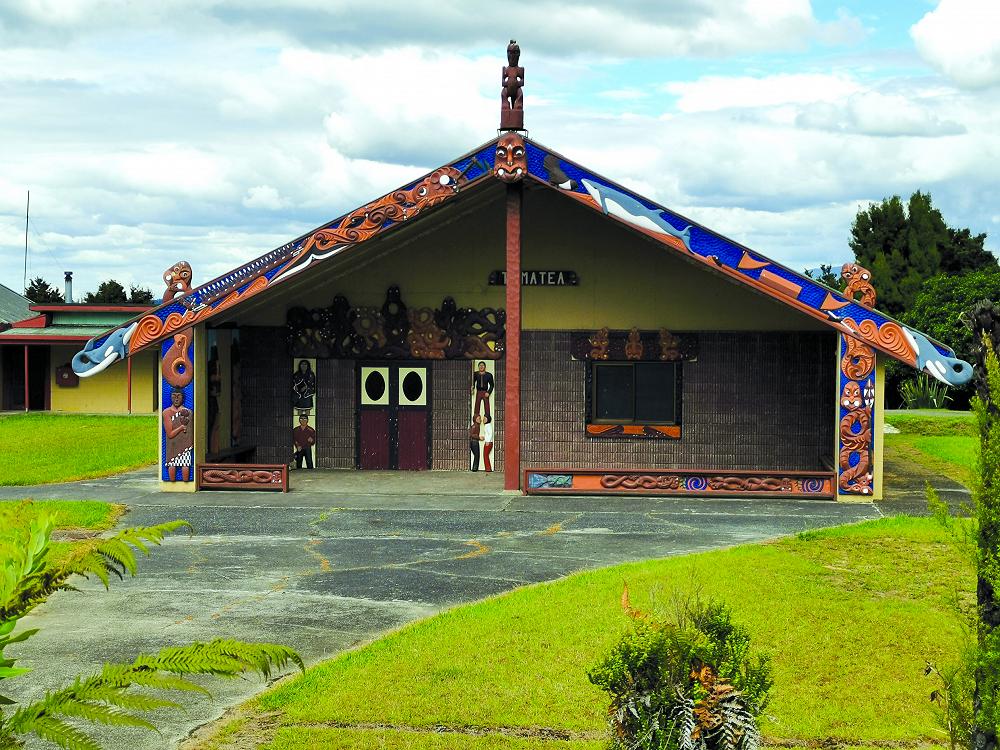
In the weekends leading up to Easter, many marae will host working bees, where whānau will return from the cities to pull out weeds, mow lawns, repaint facilities and clean the bird droppings off the whakairo (carvings). Certain whānau might volunteer for particular tasks: one whānau might volunteer to mow the lawns at the urupā (cemetery), another to clean the Whare Karakia (church).
Wherever hurakōhatu are to be held, the close relatives will be busy laying cement foundations for the beautiful headstones which will stand as glistening memorials to loved ones, to be admired and visited in perpetuity.
Usually manuhiri (visitors) come from far and wide for hurakōhatu. They may, or may not, have a whakapapa (genealogical) connection to the particular iwi (tribe), hapū (sub-tribe), whānau and marae hosting the hurakōhatu.
Therefore it is important to make sure that the setting is impressive and the hospitality of a high standard for the manuhiri.
This year again, things are very different for many Māori communities, as for other ethnic communities, as we navigate COVID restrictions. Many of our traditional Easter faith festivals, gatherings, retreats and wānanga are postponed, restricted or converted to Zoom events. It is something we’ve become quite used to over the last couple of years.
Hurakōhatu have been postponed or limited to immediate whānau as marae either remain closed or are restricting gatherings to 100 vaccinated attendees.
Many whānau have decided to delay their events until after the COVID restrictions lift.
Events at Motuti
The little settlement of Motuti in North Hokianga is observing two events on 23 April.
Our day will begin at 4am with a dawn karakia to bless and open the Raiātea Māori Catholic Museum and Resource Centre. Raiātea was the dream of the late Pā Henare Tate. It takes its name from the schooner in which Pīhopa Pomapārie (Bishop Pompallier) arrived in Aotearoa.
Then at 10am we will celebrate Eucharist in Hāta Maria Church where the remains of Pīhopa Pomapārie rest. We will then unveil the headstone of our beloved Māori priest, scholar and tribal leader, Pā Henare.
The Motuti people decided, at the request of senior kaumatua (elders), to stick with the April date as it has already been postponed twice. Unfortunately this means that only 100 people can attend — very different from “the normal” more than 1,000 whānau and manuhiri from across Aotearoa, the Pacific and possibly even overseas.
There is pragmatism in this decision and a spirit of aroha for those who are advancing in their years. We hope to have a gathering later in the year to celebrate our two events with greater numbers.
Throughout Aotearoa and the world, peoples and cultures have had to create safe ways to express culture and spirituality during the pandemic.
In Hokianga we have adapted, knowing that our tūpuna (ancestors) also adapted during the 1918 influenza pandemic. Then, marae were closed and some were converted into makeshift hospitals and even mortuaries. They reopened as the pandemic subsided.
Mourning Our Losses
The COVID experience has brought sadness to many. We have had to mourn loved ones within the restrictions. Many of us have viewed unveilings and funeral services via Zoom and other online platforms.
Many of our great leaders have been deprived of a proper tangi (rites for the dead, funeral — shortened form of tangihanga). Some have gone to the grave with no tangi at all but with the necessary karakia (prayers and rites).
Many Māori Catholics mourned the loss of three great religious. Marist Sister Rose Harris of Motukaraka in the Hokianga passed away in August 2021. COVID conditions restricted her tangihanga to immediate whānau at her marae, Ngāi Tupoto.
Josephite Louise O’Kane died in late January this year, and was returned to her beloved people of Panguru with COVID restrictions in place.
Mill Hill Pā Mikaere Ryan, the great te reo Māori scholar, passed a few weeks later.
Pā lay for two nights at his beloved Te Unga Waka Marae in Tāmaki Makaurau before returning to his first parish, Te Ngākau Tapu o Hehu, Kahukuraariki Marae, Waitāruke, Whangaroa Harbour in Northland.
Also during this time, a number of senior Māori leaders of other hāhi (church denominations) have passed in similar circumstances.
With each of these wonderful missionaries, many of the people who loved them commented how sad it was that they passed during periods of COVID restriction.
Others said that being the humble and selfless people that they were, they possibly would have preferred things this way -— less fuss and expense. One kaumātua told me that they would have said: “E pai ana, i roto i te whakapono, kāhore he raruraru — because of our faith, we don’t need to worry about these things. All is made well in the faith.”
Time Offered Opportunities
Despite the pandemic and its associated restrictions, this time has brought many whānau closer together — closer to their extended whānau within their hapū. Closer also to the faith and opportunities for spiritual expression.
Whānau have been joining Zoom karakia, church services, hui and marae meetings. Before, they may have not had the motivation, the resources, or felt the confidence to attend physically.
Beauty, Patience, Wisdom
Now, as we experience this significant, tapu, holy and solemn period, may we look to the lives of Henare, Rose, Louise and Mikaere and others for inspiration and strength.
Where hui, events and karakia are celebrated in smaller numbers, may we find beauty in those numbers and the efforts of those able to participate.
Where such occasions are postponed, may we be patient, as Lent requires us to be patient in the lead-up to the resurrection of our Lord.
And may we find comfort in the words of the wise kaumātua who said: “E pai ana, i roto i te whakapono, kāhore he raruraru — because of our faith, we don’t need to worry about these things. All is made well in the faith.”
Tui Motu Magazine. Issue 269 April 2022: 8-9