
T-shirts, Energy and Courage
Mary Betz discusses why as Christians we need to address our energy consumption and move to clean energy in our world.
Working toward sustainable energy is a United Nations Sustainable Development Goal. Sustainable energy is energy we can use today while still leaving enough for future generations, and which doesn’t compromise environmental or human health. It includes renewable energies from solar, wind, tide, bio-energy, water (hydro-electric) and geo-thermal resources.
Clean or green energy is a subset of those energies. It excludes, however, new large-scale hydro-electric energy because of the requirements and effects of large dams: the energy needed to make concrete, the loss of agricultural land, fisheries and wildlife habitat in reservoir areas and the disruption to human communities.
Our Energy Situation
Just 40 per cent of our energy in Aotearoa comes from renewable sources. Sixty per cent still comes from fossil fuels. The new Zero Carbon Bill, to be introduced to Parliament this month, will commit New Zealand to being carbon neutral by 2050. This is in line with the Paris Agreement which aims to limit global temperature increase to 1.5°C. Clearly unsustainable (carbon-emitting) energy from fossil fuels — oil, natural gas, petrol and coal — will be largely replaced by electricity from renewable sources. Expect electric vehicles, more wind turbines and solar buildings, fewer cattle and more trees.
Clean Energy Challenges
Agriculture produces 49 percent of New Zealand’s total carbon emissions. The digestive systems of livestock produce methane, and this is not about to change anytime soon. So, our recent massive conversions to dairy farming will have to be reversed and different crops encouraged.
As in the rest of the West, in Aotearoa we will continue to gradually shift what is in our kitchens from “heavy on the meat and dairy” to more plants — not just fruit and vegetables but also beans, lentils, chickpeas and grains. The way we consume food energy will be better for human health — and better for the health of Earth.
Hidden and Overt Energy Consumption
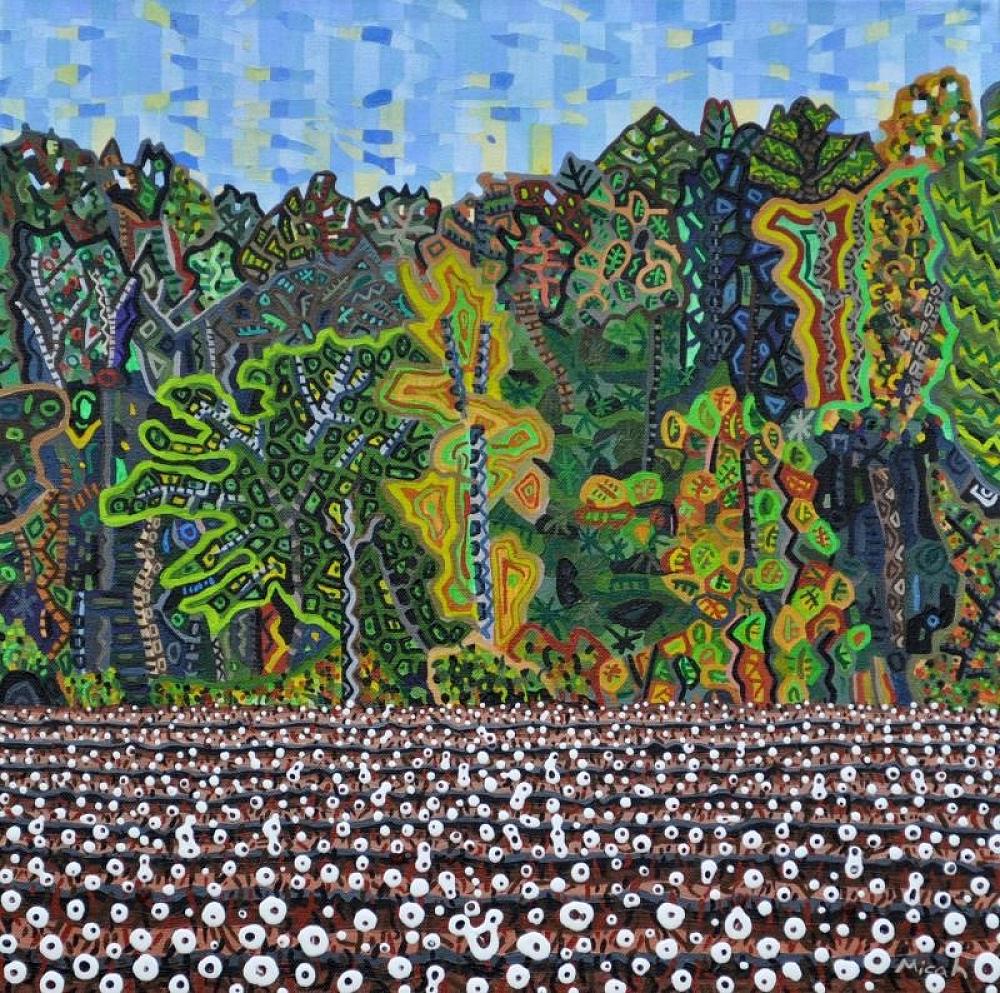
As clothing consumers, we participate in the energy used to produce whatever we wear. Let’s bring a cotton T-shirt out of its dark closet to look at its hidden energy.
First, the cotton crop was grown using immense amounts of water that is often pumped from water bodies. These pumps are powered by electricity produced from coal in the US, China and India — with India also using diesel.
The cotton crop uses fertiliser and pesticides which have to be extracted, transported, manufactured and transported again (petroleum products used here) to the fields.
The pumps, extraction equipment and trucks require electricity (coal again) to manufacture.
Some cotton is harvested by hand then ginned to separate the seeds. Other cotton is harvested by machine (fossil fuels for manufacture, transport and operation). The clean cotton is then transported (diesel for trucks and ships) for spinning and weaving (more machines that use electricity from coal).
The cloth is transported (using more diesel) to other factories for cutting and sewing (more electricity from coal).
Finally, most of the T-shirts are transported overseas (more fuel) to appear in a temperature-and-light controlled shop (more electricity) for us to buy.
We could go crazy looking at the energy trails for all the clothing, food, shoes, furniture, carpets, toys, and stationery we own. And there is the hidden energy in all the metal and plastic components of our cars, homes, appliances and electronic devices we think are essential to modern life.
Anything Without an Energy Footprint?
Well, yes! Growing as much of our own food organically and watering carefully uses very little energy. Eating mostly plant-based meals, sourcing food locally and avoiding processed and overseas foods where possible, can help keep our food energy footprint to a minimum.
We will always need clothes. Most fabrics are produced overseas, but we can check the web for up-cycling and eco-minded Kiwi producers. Another option is the op-shop — saving all the energy usage of producing new clothes. Having fewer clothes will also do the trick. Recycling old clothes is better than throwing them away. However, the amount of fabric recycled in New Zealand is the equivalent to each person recycling 145 medium-sized men’s T-shirts every year! The excess from our op-shops goes to Asian charities, up-cycling, insulation manufacture — or the tip.
For most of our other possessions, we can try buying fewer and buying used — or using a new item for absolutely as long as possible. This includes electronic devices – which are another story altogether. In these ways we save the planet’s energy, and also its non-renewable mineral and petroleum resources.
And how much do we really need? As Basil of Cappadocia tells us: “The bread you are holding back belongs to the hungry; the coat you keep in your closet belongs to the naked; the shoes mouldering in your closet belong to the shoeless; the silver you hide in a safe place belongs to the needy.”
Keeping Our Courage
Buying so much “stuff” — “stuff” that takes too much energy to make and use — is a problem for our country and a danger to our planet’s survival. As the quote from Basil reminds us, our consumption gives us pause to think about whether our lives are simply for ourselves, or whether we are serious about our Christian mission to live for others. Those others may be next door, across the ocean, or in future generations. Pope Francis asks in Laudato Si’:
“What kind of world do we want to leave to those who come after us . . . its general direction, its meaning and its values . . . Unless we struggle with these deeper issues, I do not believe that our concern for ecology will produce significant results” (par 160).
So, how will we respond to the challenge of reducing the energy we use? While government and industry have huge roles to play in ensuring the switch to sustainable energy, each of us can take personal responsibility for lowering our own energy footprint — especially from fuel, food and other consumer goods whose imbedded energy comes from non-renewable sources.
Jesus, of course, didn’t have to make decisions about when to replace his computer or car. But it does seem he opted not to own a home and its incumbent possessions — and of course, he walked almost everywhere! Pope Francis suggests that we embrace “a return to that simplicity which allows us to stop and appreciate the small things” (LS par 222). Whatever our situation, each of us can take heart and courage and work toward a cleaner energy footprint on our Earth, a path that also launches us further into the freedom of God’s reign.
Tui Motu magazine. Issue 231 October 2018: 4-5