Priceless Water
“Water is powerful in the web of life: humanity does not own it.” Fernando Enns.
We receive water from our environs and cannot exist without it. Clean drinking water can be worth more than all the gold in the world. Water is taonga, treasure. The tragic image of Aylan Kurdi, the three-year-old Syrian boy drowned last year fleeing to Greece, reminded us that though dependent on water, after we are born, humans cannot live in water. Nor can we manufacture or control it.
Access to and use of water is now a political issue and becoming more so. Managing water resources for the long term, especially with the impact of global warming, is a critical issue with national and international consequences. Already in Canterbury and the Hawkes Bay there are concerns over balancing the water supply for rural and urban use, for livelihood and recreation.
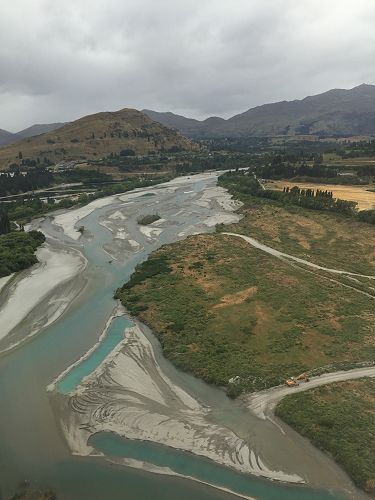
Waterways and aquifers impact life in more than a local area. The Waikato and Waitaki rivers flow through several geophysical and local body districts providing water for farming, industry, domestic and recreational use. Contention arises when the activities upstream impact on the life of the river and the lives of those dependent on it, downstream.
Around the world the need for river management requires cooperation among states and countries. The Murray River in Australia flowing through three states must be managed so that all share in the water. If irrigation in New South Wales drains the water, life begins to die in the southern delta in South Australia. Other long rivers, such as the Nile, the Danube, the Amazon, and all of Pakistan's rivers which first flow through India, cross several countries potentially providing water to each. Water resources are unevenly spread across the world's inhabited areas. The potential for dispute over water could be greater than it has been over oil.
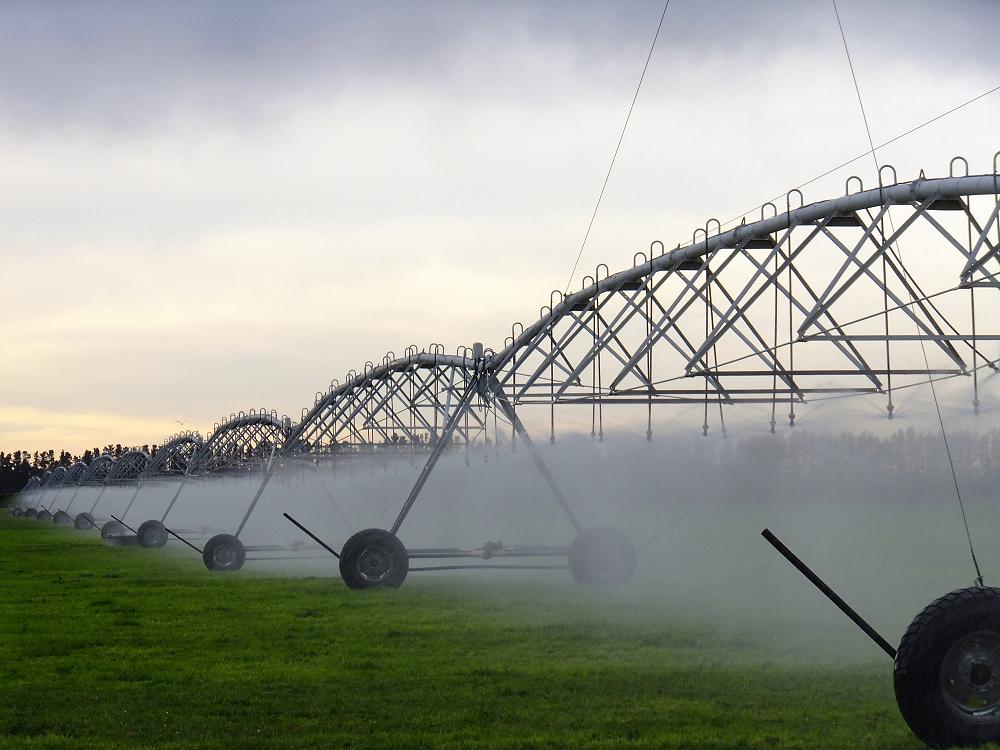
With New Zealand’s focus on farming, water health, distribution and usage is at the forefront. Around the country the use of irrigation drawn from rivers and groundwater has increased exponentially particularly with dairy farming. And the questions emerging about salinisation of the soil, run-off polluting the water supply, exhaustion of groundwater supplies, lowering river flow to unsustainable levels and the danger of contaminating drinking water, clearly need serious consideration and wise decision-making. These conversations must include the people of the land, particularly local iwi hapū, as well as long-term Pākehā locals with local knowledge, scientist and researchers, farmers and all those informed about the land and sustainability.
Many farmers involved in commodity production on the land have taken up irrigation at great expense, to try to drought-proof their farming business. The theory is higher outputs from higher inputs. Currently lower commodity prices are making it difficult for many to meet the costs. Drought is only one of five weather-related factors that affect farming. Too much rain can ruin a harvest or cause flooding. Wind, frost and hail can also damage crops, young pasture and farm plant. Weather is only one of three uncontrollables in farming – weather, markets (commodity prices), and government (regulation and monetary policy).
The Commissioner for the Environment in the 2012 Report highlighted three major water contaminants– pathogens, sedimentation, and nutrients – from human sewerage systems, forestry clearing and increased use of fertilisers. Whereas many creeks around the country were once the main food source for local families, it is no longer the case. The Te Paparahi o te Raki (Northland) regional hearings before the Waitangi Tribunal, told how only 40 years ago their means of livelihood was still abundant from the land (before opossums took over) and from the streams, lakes and the sea.
I take heart from the combined efforts of iwi hāpu and local government which are having positive effects on the Waikato River and on the Rotorua Lakes. This is just one example from around the country. The key is vision and co-operation. It’s about building relationships with those for whom the waterways are common ground, those with the interest, a sense of responsibility and the need of healthy and sustainable water supplies. We need a vision for the future. It calls for whakawhanaungatanga relationship building, developing respect, listening to different views, respecting the complexities involved, doing the research and acknowledging our dependence on living water.
From our Christian perspective we acknowledge our dependence on the Spirit of God, connecting all life in the gift of water.
Anō he awa e rere iho nei
Anō he awa maringi iho nei
Haere mai tātou ki tēnei awa nui
Anō he awa e rere who nei.
A river flows from above
A river pours down from about
Let us come to this vast river
A river flowing from above.
Gallery