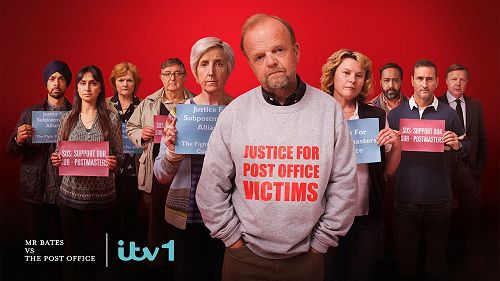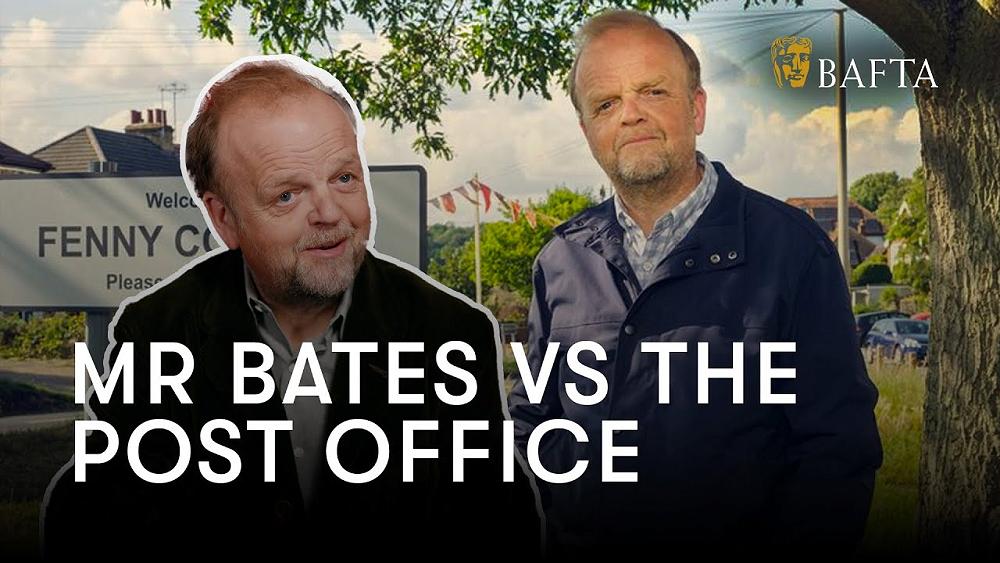
Mr Bates vs The Post Office (ITV, 2024)
Four episodes, Streaming on TVNZ+ Reviewed by Paul Tankard
This British drama tells the true — and unfinished — story of an appalling IT stuff-up and dreadful miscarriage of justice, in which hundreds of subpostmasters were, over more than a decade, wrongfully convicted of fraud and theft. It’s far from being a televisual masterpiece, but is compelling viewing.
As a result of privatisation and the internet, post offices across the world have gone from being some of the most trusted and visible agents of government, to being odd little counters in corner dairies and news agencies. But in thousands of small communities in the UK, the local post offices remain centres of social activity and connection with the wider world.
In the late 1990s, a computer software system called Horizon was rolled out by The Post Office Ltd to handle all the accounting for post office services, including pension payments, etc. Problems with it commenced almost immediately, with local subpostmasters investigated for balancing errors which they were unable to explain, and for which their contracts as franchisees made them personally responsible.
In this series, the human side of this saga is readily depicted in picturesque villages and communities, focusing on the experiences and the domestic circumstances of a small number of the many subpostmasters who were sacked, prosecuted, fined and jailed. Prominent among these is Alan Bates (played by Toby Jones), who first gathered the evidence of systemic issues, ran the campaign to challenge The Post Office to investigate properly and to open its records, and formed an alliance which took a group action against The Post Office.
The subpostmasters are small-business people, perhaps retired from other careers, who drive modest cars and have modest habits and ambitions. They eat scones and drink tea or beer, they meet in pubs and community halls. The meetings with lawyers and Post Office officials, and the eventual court cases, take place among the skyscrapers of London.
The narrative, cinematography, characterisation, dialogue and music are simple and unambitious, which is what they need to be. This is a campaigning production, aimed at the widest public, and the story is the simple one of David versus Goliath, or the Human versus the Machine: individuals facing oppression, obstruction and manipulation by technology, bureaucracy and corporatism — which is a story of our times.
Every day millions of people are frustrated and enraged by techno-bureaucracy: our time and energy wasted, our competence questioned and eroded by the increasing concentration of power outside of human hands. But seldom to the extent of loss of liberty, livelihood and lives as happened here. This series has prompted further action by the UK government and should give us all hope to continue our resistance.
Tui Motu Magazine. Issue 292 May 2024: 28