
Important Moments of Hope
Bruce Drysdale shares some of the effects of the pandemic restrictions on people in an intensive rehabilitation centre.
I work as a chaplain in a facility that carries out intensive rehabilitation with people who have received traumatic brain injuries (TBIs).
The “big three” TBI causes are: motor vehicle accidents; falls; and assaults, in that order. Other causes include everything from suicide attempts to medical misadventure.
It is a place where individuals experience both suffering and hope, and can move from one to the other very rapidly. The suffering comes from the fact that in a tragic instant, a person’s life — their physical, mental, emotional or social functioning — has been drastically changed. Sometimes the change is permanent.
The hope comes from the strong focus of the entire rehab community on the gradual steps toward healing and wholeness of each individual.
The first step in the rehab process is to move the person out of post-traumatic amnesia (PTA). Most clients do not remember the incident that caused their TBI and for a time afterwards have difficulty retaining memory of post-incident events, conversations, timelines, names, instructions, etc.
A client is determined to have moved out of PTA when they can achieve a Westmead score of 12 out of 12 on three consecutive days. (Westmead is an internationally recognised test using selections of words, pictures, people and objects to be remembered from one day to the next.) When the word goes around (usually by internal email) that “Mary is out of PTA” or “John scored his second 12/12 on the Westmead”, there is great rejoicing among the dedicated and highly professional team of therapists, medical staff, social workers and liaison staff.
Visitors (especially whānau) play an important part in the rehab process and are normally greatly encouraged. Visitors are caught up in both the suffering and the hope. They suffer seeing their loved ones severely impaired or in pain. It is also distressing not being able to easily communicate with a close friend or family member or, occasionally, not even being recognised by them. Visitors also add to the atmosphere of hope by: the tremendous loyalty they show with their regular visits; the help they give to the staff with the daily caring tasks; the encouragement they give; and, by joining in the celebrations when milestones are achieved — whether by their loved ones or other clients.
Suffering levels increase each time there is a COVID Lockdown. Communication (already difficult) is further impaired when staff are masked or in full PPE. As chaplain I often rely heavily on my smile to show I am there to help or to put someone at ease. It is very hard to smile through a mask! Extra stress comes with staff absences caused by a household member being in isolation and the staff member not being able to return to work until proved COVID negative.
More importantly, Lockdowns severely limit visitors. None are permitted at all during Level 4 and only one visitor per client, for short periods, is allowed during Level 3. The reason is simple: people with a TBI are very immune compromised. The effect, however, is complex: staff have to assume family/visitor roles, and communication with family can take place only by means of phone or Zoom calls (problematic when clients have speech, hearing, sight or positional problems). It is very hard for visitors to share in the hopeful moments by proxy or from a distance.
During these times, grasping and celebrating any moments of hope becomes even more important.
Each Sunday morning I lead a small ecumenical church service. Numbers vary from 20+ to just the necessary “two or three gathered in my name”.
Sally, a regular attendee, is nearing the end of her stay with us but has residual problems organising her thoughts and activities. I was running late one Sunday so was delighted to see that Sally had got herself to the meeting room early and set up everything ready for the service — even down to the prayer focus which she had prepared exactly as I had had it the week before (including the same flowers, a little worse for wear).
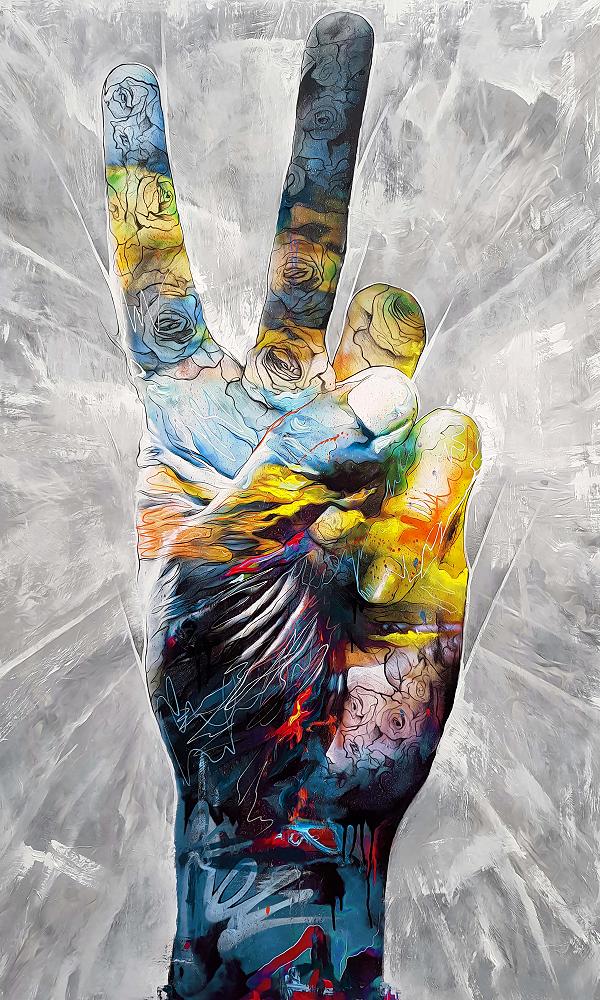
On another occasion, when I had explained that our usual sign of peace would have to be limited to a socially-distanced nod, Tamati (who can’t speak, has extremely limited physical control and is usually slow to respond to stimuli) solved the problem by slowly raising his “good” arm in a two fingered peace sign accompanied by a heart warming smile.
I was blessed to be able to keep a little hope alive by sharing the initiatives of Sally and Tamati with their respective therapists, and Tamati now leads us each week in the sign of Christ’s peace.
Tui Motu Magazine. Issue 265 November 2021: 12