
Wife of Cleopas
Rosalie Sugrue reflects on the testimony of Mary, the wife of Cleopas, whose story is found in Luke 24:13-35 and John 19:25
I am Mary, wife of Cleopas, some of your may know him as Clopas, but Mary is my name and I want to give my testimony.
Cleopas and I had walked to Jerusalem many times. Our village of Emmaus is only seven miles from the city. We usually manage to be there for Passover. For us Passover is an important ritual as well as a time of celebration and remembering who we are and from whence we came. Usually the walk home is made with light steps. But this year our hearts had never been so heavy. We had witnessed dreadful things, terrible things.
We saw Jesus the Christ whipped and humiliated. How could they be so cruel to anyone, let alone this good man? We knew Jesus as the healer who preached a way of love and respect for all. He went about doing good. Goodness is a powerful thing, too powerful for the Romans, they felt threatened. To them Jesus was a political rebel. The lies and wild accusations were incredible but Jesus remained dignified throughout. It was too much for our men. They couldn’t bear it but we women stayed to the very end. Even on that hideous cross his concern was for his mother.
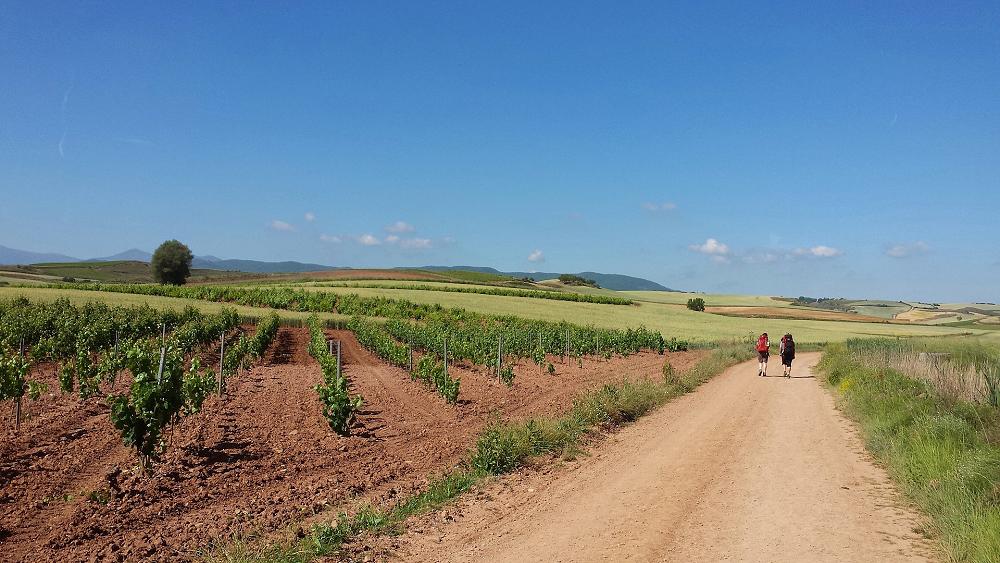
Well, as I said, were journeying home. I was telling Cleopas the last words we women heard Jesus speak and explaining how the end came when we were joined on the road by a stranger. He asked us what we were discussing. His question was so surprising we stopped still in amazement.
“Are you the only stranger in Jerusalem who does not know the things that have taken place there in these days!” said Cleopas.
“What things?” said the stranger. So we told him how Jesus of Nazareth was a prophet who had been crucified, that hideous form of execution favoured by the Romans. Although his body had been put in a decent tomb it had vanished and we were sad, sad, sad. This wonderful man, whom we had thought of as Lord, was dead, and now his teachings would die. His teaching had given us such hope.
In essence they were simple beliefs based more on hospitality and caring than on following rules.
We soon discovered our companion was no common man. He knew the Hebrew Scriptures and he expounded them to us as we walked along. He also knew of the way of Jesus. The way the stranger talked brought warmth to our heavy hearts. When we arrived at our village it was nearing evening. We urged him to come in and stay the night.
It didn’t take me long to rustle up a simple meal. I didn’t even feel tired. When we sat at table the stranger took the bread, blessed it, broke it and gave it to us. At that moment we saw Jesus in the man. The revelation was so powerful we were quite stunned. By the time we had recovered the Jesus man had gone.
It was a startling revelation for both of us, an epiphany! We realised the death of Jesus Christ was not the end of Christianity - if the ritual of the fellowship meal could continue, why not the teachings? We were so excited that as soon as we had eaten we went straight back to Jerusalem. We found the eleven disciples together and they were celebrating, saying, “The Lord has risen indeed.”
Be known to us in breaking bread
be known to us in hospitality
be known to us in strangers
be known to us in friends
May the way to Emmaus
also be our way
travelling with
shared story
open minds
warm hearts
shared food
and celebration
Living God, may we never neglect to invite you in, Amen.