Looking Out and In — May 2016
Aradhana moved to our town many years ago from Nepal, with her husband and their four young children. Their life seems to have been quite precarious right through. With neither parent able to read or write the options for an income were and are narrow. But Aradhana had managed to get all four children through primary school and they were now all in secondary schooling.
When we first met, Aradhana had hit a down patch. She had high levels of sadness, many worries and little hope for the future. She struggled to get up in the mornings and instead of getting on with all the busy tasks of running a home without electricity or appliances, her kids said that she was just sitting around all day. Her husband returned from his current job working as labourer on a construction site and said he would find Aradhana crouched on the concrete steps catching the last warmth of the evening sun. The breakfast dishes were still unwashed and yesterday’s laundry was still soaking in buckets.
Rani, who works in Burans, our community mental health project, met Aradhana’s eldest daughter at a community corner meeting. Rani, who is also Nepali as chance would have it, was requested to come and meet her Mum. So Rani started going to sit with Aradhana and listen to her stories, thoughts and feelings once or twice a week. It doesn’t sound like much. Maybe it even sounds a little lame as a response, given the poverty and misery Aradhana was living in.
"Baithne hai aur sunane” or “Just sit and listen!” is one of the most simple and most useful concepts I have found for working in community mental health. Recently I’ve been wondering if it’s perhaps more universally applicable. It could be a good mantra for all of us, most days. With my children. With my husband. With my work colleagues. With God.
Unfortunately though, sitting and listening is something that I find particularly difficult. I’m not good at either sitting or listening and I seem to be particularly poor at doing the two of them together. I prefer walking and listening, and even better is walking and talking. Worst of all is the listening bit. When someone talks about a difficult life problem, I can hardly stop myself offering grand solutions and steps to betterment.
Solutions however are scarce for the life situation of Aradhana, who has few formal skills or material resources. In our community mental health work most of our clients live daily with poverty and unemployment as well as their mental distress.
We’ve realised we don’t have the resources or capacity to make things right. Some days it is overwhelming. However, showing up and sitting with someone on a regular basis surprisingly is enough to help that person feel like getting up and onto their feet again.
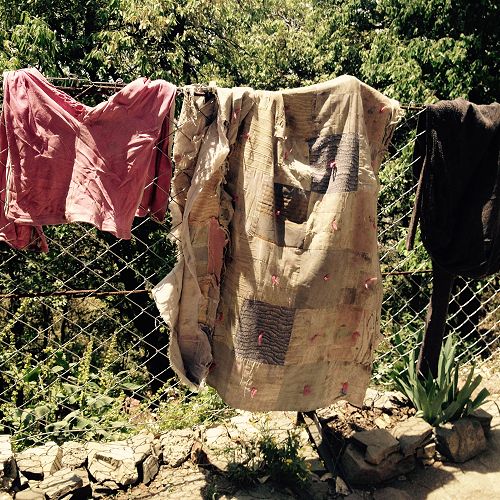
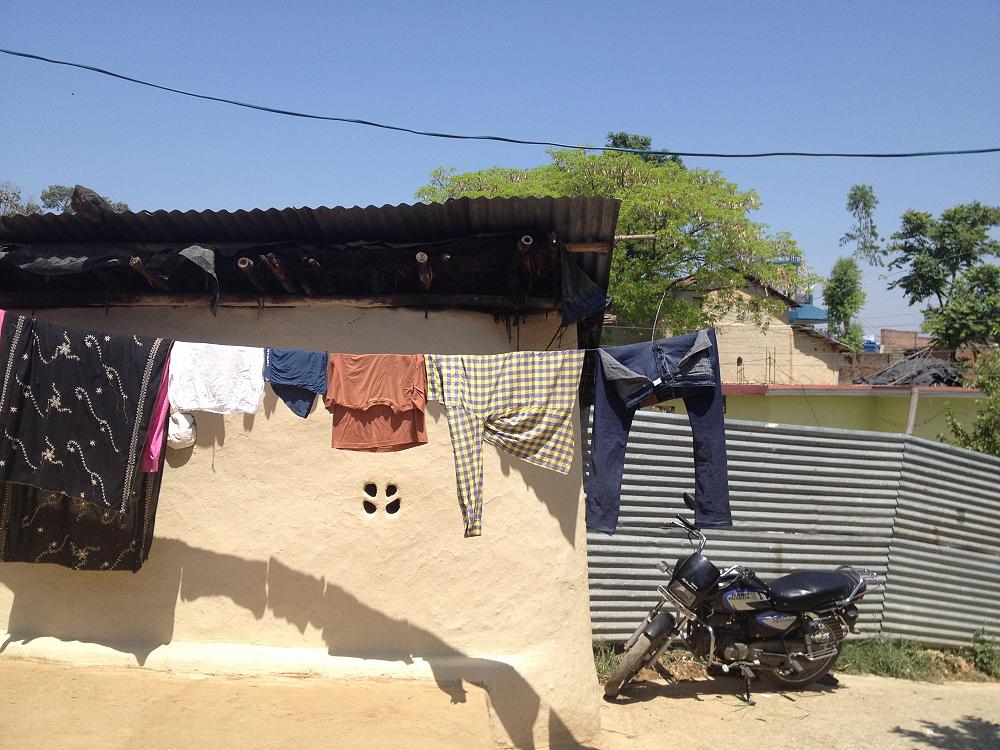
After three weeks of Rani swinging by to listen and sit, Aradhana slowly seemed to feel more energy and hope. Her long black hair was plaited by 9am in the morning. Before lunch there were clothes on the line and chillies drying in the sun. Aradhana explained to me:
“It seems no point to just worry. If we don’t have food to eat one or two meals a week, we are still fine the next morning. I think of things I can be thankful for and I try not to spend time thinking about things I cannot change. And even without going to a doctor and medicines, I got myself better!”
The benefits of stoicism are another topic for another day. But when we see how well Aradhana and many others have become with just regular, gentle listening, increasingly I reflect that we don’t need to rush to doctors and antidepressants. Meantime, for myself, I guess there’s nothing for it but just to get myself going and sit. And listen.
Published Tui Motu InterIslands Issue 104 May 2016
Gallery