When 1 is King
Kate Kennett, Teanibuaka Tabunga and Mareta Takeimoa tell of the gains Kiribati has made in maternal and infant health as well as the threats and challenges the country still faces.
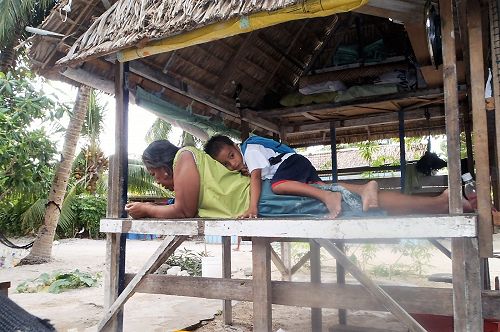
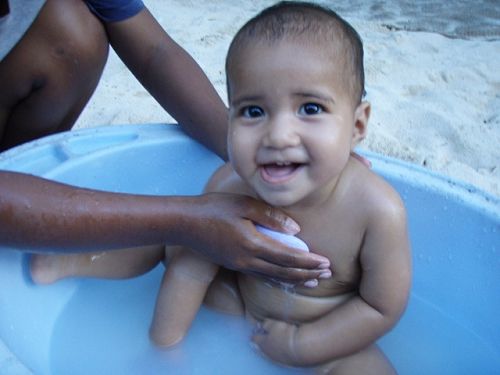
In Kiribati, first birthday parties are delightful celebrations. The whole extended family, neighbours, church members, colleagues and visitors are all invited. We will decorate, prepare a plentiful feast, bake a grand cake, have spectacular performances by dance groups, give speeches and bring many gifts. Visitors to Kiribati say it reminds them more of an 18th or 21st birthday than a child’s party! All of this is prepared for a beautiful toddler dressed up like a royal in a special party dress or suit. The child probably has no idea what is happening — that all the celebrations are in their honour.
In the joy of the festivities it is easy to overlook why first birthdays have such significance in Kiribati. So many of our infants haven’t survived to reach their first birthday — when they do, we give our thanks.
High Child Mortality
Kiribati has always experienced high levels of child sickness and death. Even today, Kiribati has the second highest infant mortality rate in the Pacific, with only Papua New Guinea higher. Out of 1,000 babies born in our island nation, 10 will die in the period around their birth, over 40 will not reach their first birthday and 56 will die before they are 5 years old. This is far too many lost children.
Respiratory illnesses, diarrhoea and malnutrition, or a combination of these three, are the major causes of childhood illness and mortality in Kiribati.
How can these preventable conditions cause so much harm in our community? The reasons are complex and multifactorial, but well understood by the I-Kiribati who experience them daily.
Our Islands
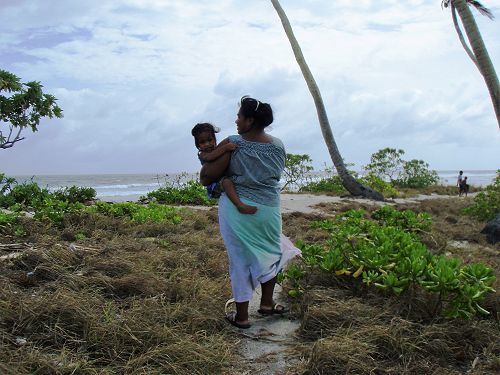
It starts with our home — our islands. The sea and the land provide us with sustenance, but access to a freshwater supply is fragile and precarious.
Our atolls have a thin layer of fresh water that sits just below the land and on top of the salt water. This is our only permanent source of drinking water. And it can be replenished only by rain.
The scarcity of fresh water creates a whole range of challenges that impact the health of our population, especially children. Access to safe water in adequate amounts is restricted, so finding toileting solutions is an ongoing conundrum and the watering of fruits and vegetables is limited. These were problems for us even before climate change, which is increasing the saltwater inundation of our freshwater supply and is eroding our land.
When we add social barriers, such as low education and income levels, over-crowding in the capital and the remoteness of the Outer Islands, myths and cultural practices that delay people seeking help from health service, as well as limitations on access to health services, it becomes clear that problems that are considered minor in many countries quickly become fatal for our Kiribati children.
Mother and Infant Health Programmes
Reproductive, Maternal, Neonatal, Child and Adolescence Health (RMNCAH) is a significant programme of work for us at the Kiribati Ministry of Health and Medical Services.
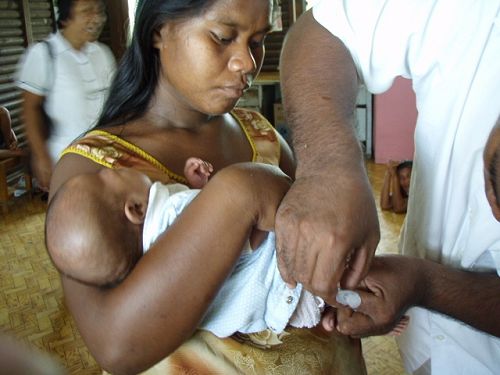
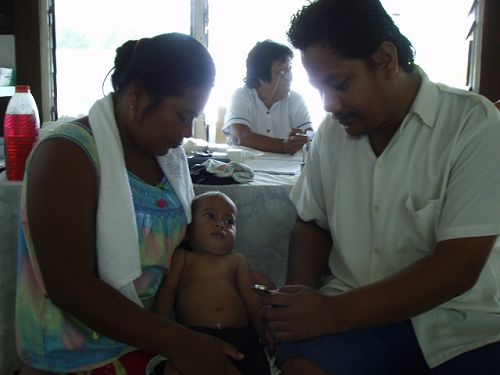
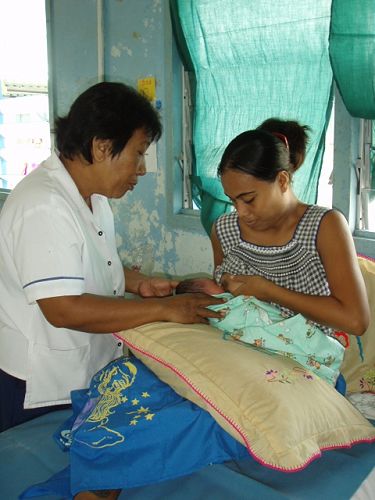
One initiative that is having a positive impact is our “Continuity of Care” programme. Midwives or nurses follow a new mother and her baby for the first six weeks after birth to support their health and wellbeing in a range of ways. This can include establishing breastfeeding, baby hygiene, recognising signs of illness and when to go to a health clinic, how to prevent and manage diarrhoea and when immunisations are due.
Becoming pregnant and having a child is a blessing in our community. All children are welcomed, loved and cherished by their families. Mothers are honoured for bringing a child into the world. The health and wellbeing of mothers is essential for our children to be healthy, too, yet over half of women giving birth are considered to be in a high-risk obstetric category. We know that there are many women in Kiribati who wish to access safe and effective family planning to space having their children. These needs are unmet due to women being unable to get to a family planning clinic, or because the clinic has run out of family planning methods or because of social pressure to resist family planning. Improving access to comprehensive family planning services is one of the priorities of the current Kiribati Health Strategic Plan.
Improving Nutrition
Another significant issue for mothers and children is poor nutrition. In children, insufficient protein and vitamins in their diet is manifesting in increased cases of malnutrition presenting at our health clinics. In mothers and adults, poor diet is leading to rising obesity, diabetes and cardiovascular diseases. The issue of access to healthy, safe and affordable food affects our whole population.
Food security is an underlying determinant of health and a common thread connecting childhood illness and mortality, chronic disease and life expectancy, development and climate change.
We recognise that while we need to solve many local issues which will improve child and maternal health in Kiribati, we also need each person in the global community to contribute by reducing carbon emissions and caring for our planet.
We are encouraged and are taking hope from improvements in the health and wellbeing of children and their mothers gained in the last few decades.
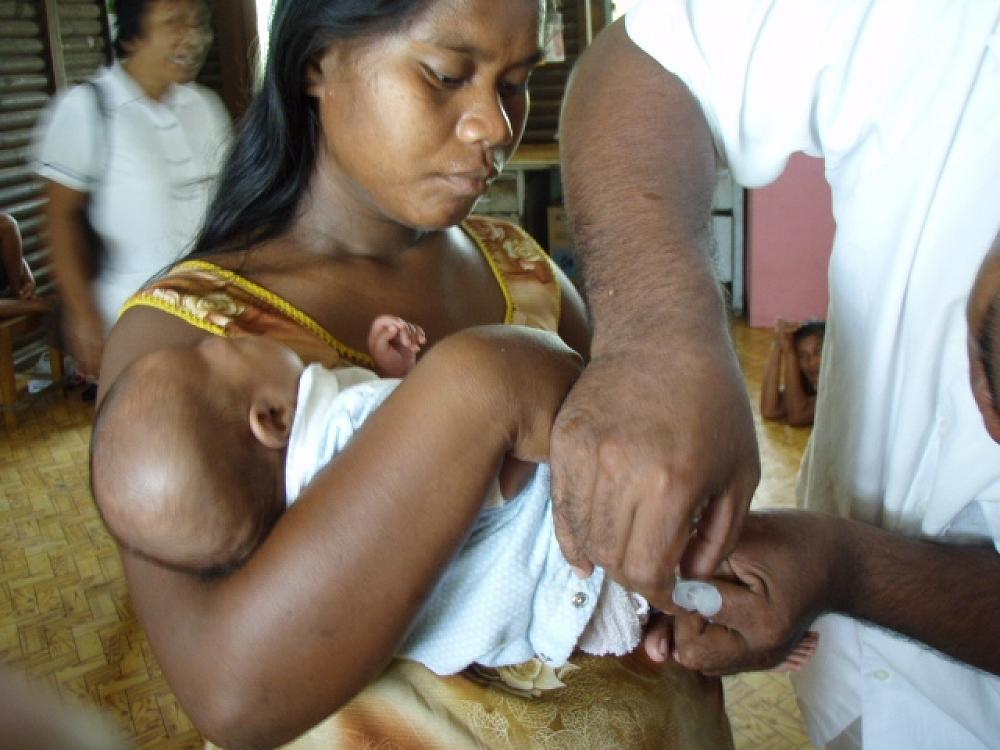
Our infant and childhood mortality rates have declined through the commitment and efforts of many of those working in partnership with us. These include improved immunisation schedules, health-worker training, enhanced health information data, outbreak responses, community health education and communication campaigns. These initiatives are reducing the rate of childhood illness and improving the delivery of timely care to sick infants.
These gains give us inspiration and motivation to keep striving for a healthier future for our mothers and children. We can’t take it for granted that the situation will somehow get better on its own. We know that Kiribati did not achieve any of the 2015 UN Millennium Development Goals despite our efforts.
We are resolved to persevere, to act with urgency and in partnership with our community, the whole health sector and government departments and our international friends. We are determined to do our part to improve the health and wellbeing of today’s and future generations. We hope that they will have a future in Kiribati and we will join many, many first birthday parties.
Tui Motu Magazine. Issue 233 December 2018: 8-9
Gallery