
From the Deputy Principal for Pastoral Care
Understanding the impact of smartphones on young people and how to manage their use.
Tēnā koutou
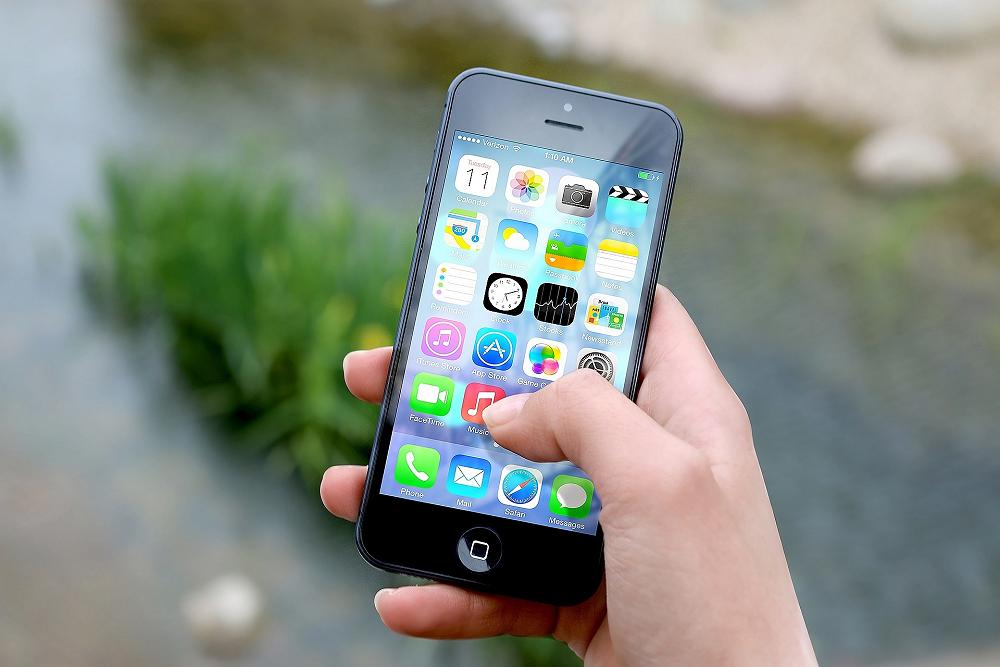
I am nearly at the end of my first year (back) at Villa and the negative impact of smart phones on classroom culture, learning, bullying outside of school, accessing inappropriate sites and the overall impact on anxiety and mental health has been an overwhelming focus of the Pastoral Team’s time and attention. And this is in a college that already bans the use of cell phones outside of the first 5 minutes of lunch. We know that alerts, texts, and notifications interrupt classroom learning; that relationships with teachers sour when this is addressed; that snapchats and tiktoks are invasive and that faceless keyboard warriors have a safe platform from which to deliver their nasty comments without seeing the impact on the victim.
The new government has announced that they will be banning cell phones in schools, and while I am unsure what that looks like, I can see that some of our students' unnecessary reliance (addiction) on them at school and outside of school needs addressing.
The following article is both timely and thought provoking. I have included links to 'dumb phones' that allow for texts and calls to be made thus meeting the need for parents and children to be in contact for safety reasons.
Managing Teens on Screens (Extract) by Debbie McQuoid, Nov 25 2023
‘When the first smartphone appeared on the market in early 2007, it felt like life had been made infinitely easier, with texts, music, gaming and a quality camera all in one place. Fast-forward 16 years and we are addicted to our phones, with mental health on the decline from overwhelming WhatsApp messages and our sleep impacted negatively by scrolling right up until we close our eyes. And our children are right there with us. A 2023 survey revealed that 17% of three to four-year-olds in the UK already have a smartphone, and 53% of eight to 11-year-olds. And by the time they are 16, only 2% of children don’t own a smartphone.
Alongside the well-known negative effects of blue light on sleep, unchecked and unlimited use of screens can influence the risk of child obesity and insulin resistance, and is associated with poorer academic outcomes. So, could your child cope with a smartphone-free week? Despite looking more and more like adults, teenagers will not share our outlook on the benefits of a week-long digital cleanse. With the part of their brain responsible for emotional regulation and critical thinking still developing, they will struggle to understand your reasoning.
Ways to manage a smartphone-free week:
- Listen to their complaints but be clear that the benefits will be worth it.
- Give up your phone too. There is no point insisting they give up their precious screen time if you won’t give up yours. You are their role model and need to lead by example, not just with your words.
- Acknowledge that their smartphone is a huge part of their lives and how they connect with their community. If the experiment is to benefit their mental and physical health by taking a break, don’t exacerbate any social anxieties by going cold turkey too quickly.
- Plan in some time to let friends and extended family know that you won’t be in contact for the week and it is nothing personal.
- If your child cannot get their head around being contactless for the week and it’s sending their anxiety through the roof, make a concession and invest in a straightforward phone with limited features. Known as ‘dumbphones’, these have limited features and prioritise essential telephone functions, such as making calls and sending texts, with no capacity for apps or access to the internet.
- Sales of dumbphones rose by five per cent in 2022, with tech experts attributing the rise to teenagers seeking to regain independence from technology. (Examples of these phones are: Mobiwire Hinto 4G Feature Phone and Alcatel 30.82 Feature Phone)
Move forward by setting ground rules on when smartphones can be enjoyed, such as only after homework, no screens at mealtimes or after 8pm, and no phones in the bedroom. Most importantly, educate yourself on safety, using parental controls for limiting certain access, knowing who children are talking to, and making sure they know how to protect themselves online. Screens aren’t always the enemy. They are a really important part of life. Teach children how to use them in a helpful rather than harmful way.'
Te aroha noa me te rangimarie
Megan Cassidy
Deputy Principal Pastoral Care