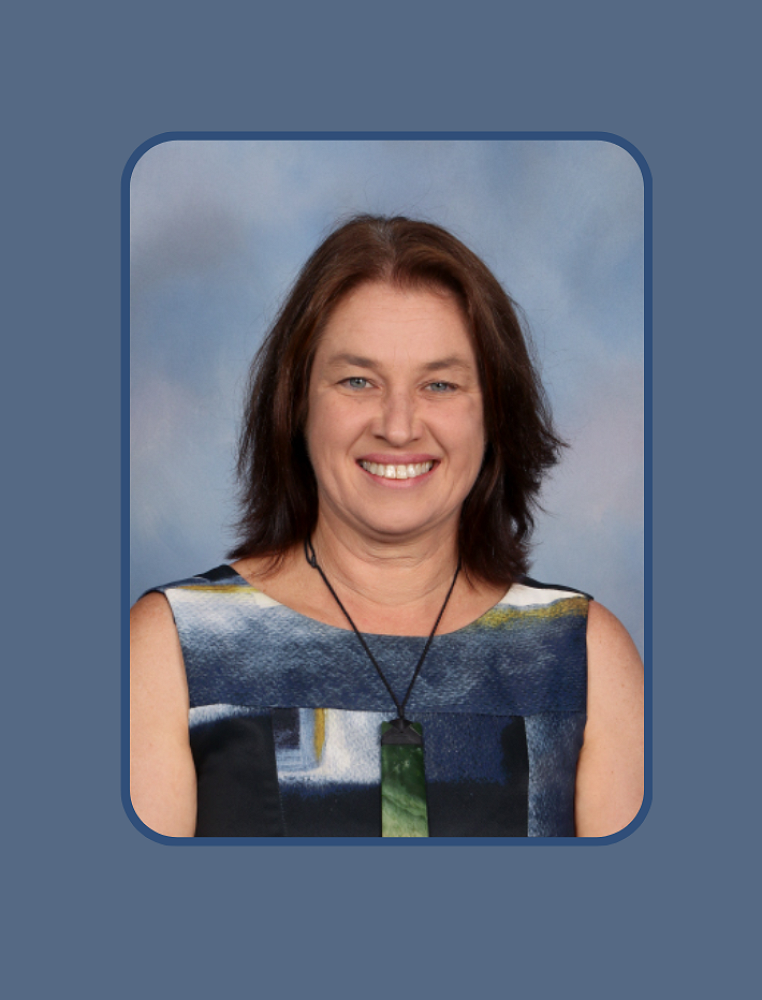
A word from Ms Kirk
Deputy Principal of Curriculum
Over the year, I have spoken in the newsletter about the current educational changes in Aotearoa/New Zealand and how Villa Maria College is responding to these. At our kura, we know we have a formula that ‘works’, and we are incredibly proud of our academic results, which are amongst some of the highest of secondary schools in Aotearoa/New Zealand. However, we are not complacent and we continue to look to opportunities to enrich the learning of our rangatahi in the twenty-first century; retaining the best of our traditions and practices whilst also providing a future-focused curriculum which supports the development of our ākonga who leave our kura prepared for their lives as Mercy women.
This is evident in our strategic plan, where a key objective for 2023 is to ‘provide a robust and future focused academic programme, that engages all learners to strive for personal excellence.’ Regular review, evaluation and continuous improvement are crucial to ensure our kura continues to offer the best for our rangatahi in the future. The Heads of Faculties (those kaiako with responsibility for the nine essential learning areas at the College) and I have a system of built in self-review, and we annually review and set goals for each year, striving to develop our capacity as kaiako. In this way we know we are responding to curriculum changes and the local curriculum in a timely and purposeful manner.
One aspect of self-review is that we welcome external input into this process, and this week we welcomed the Education Review Office (ERO) onsite to begin their review of our kura and curriculum. ERO works to evaluate and report on the education and care of ākonga at Villa Maria College and works with us to develop a responsive plan to learning needs of our ākonga. Ms. Brosnahan, Mr. Baugh and I took the ERO Officer for a walk around the kura yesterday and we were much impressed with the learning we saw evident in all classes. Our rangatahi want to learn, are responsive to their teachers and engaged in their learning. One challenge I set for myself when I talk to ākonga is to ask them to tell me about their learning.
I ask them three questions;
What are you learning about?
How will you know when you are successful?
What are your next steps?
Encouraging our ākonga to articulate their learning is key to them taking responsibility for their learning. We want ākonga to take ownership and, rather than relying on kaiako to let them know what they will be learning, we support the development of a learning kaupapa where kaiako and rangatahi work together to establish learning goals and positive supportive learning relationships. You may like to ask your daughters these same questions at home!
Welcoming whānau and student voice as part of this process of continuous improvement is key. Next term we will be running hui for whānau to discuss the new structure of Year 11 courses for 2024. We are excited about how we have responded to ākonga needs and believe our programme (which offers greater curriculum coverage, reduced assessment, whilst still familiarising and preparing ākonga for the robust requirements of NCEA Level 2) will support our rangatahi to explore what it means to be a learner in the twenty-first century.
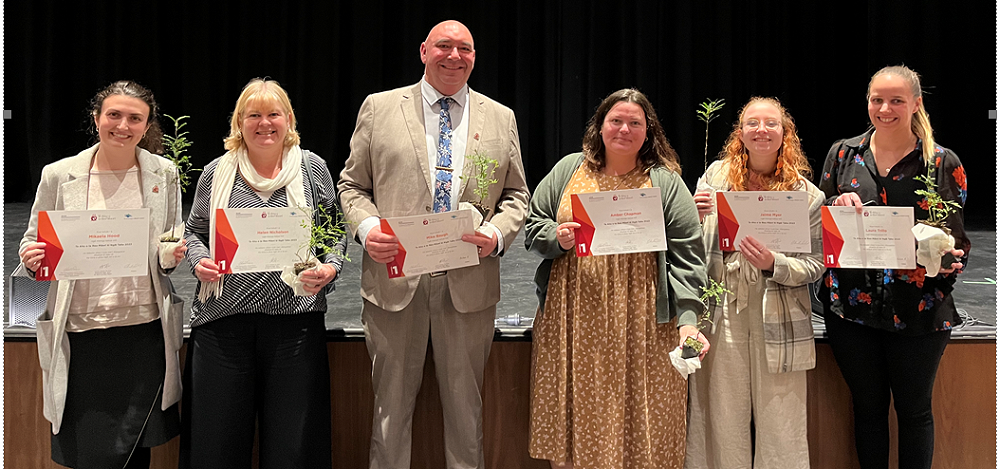
Another important aspect of teaching at Villa Maria College is that we recognise the importance and value of our kaiako seeing themselves as learners, alongside their ākonga. This week the mahi of a number of our kaiako and support staff culminated in graduation ceremonies for those who have devoted significant personal time to the Te Ahu o te Reo Māori programme. Te Ahu supports kaiako to upskill in their tikanga and te Reo Māori and supports the development of Mana Ōrite mō te mātauranga Māori at the kura.
Level One Graduates
Ms. Mikaela Hood, Mrs. Nicholson, Mr. Mike Baugh, Mrs. Amber Chapman, Ms. Jaime Myer, Ms. Laura Trillo, Mrs. Raijieli Wilson, Mrs. Susan Arscott, and Mrs. Anna Avery.
Level Two Graduate
Mrs. Jackson
Level Four Graduates
Mrs. Angela Palmer, Mrs. Rebecca Rennie, Mrs. Chrystie Coburn-Woods and Ms. Deborah Brosnahan. For these kaiako this is the culmination of four years of dedicated mahi.
We thank those staff for their mahi and excellence in teaching and recognize the value of it to our kura and ākonga.
Mē hē tē!
He rau ringa, e oti ai — (With many hands the job will be finished)