“What exactly is “Gateway”?
This is a question we’re often asked, and what makes it tricky to answer is that Gateway can be many, many different things!!
What they do have in common is that all Gateway programmes combine learning in the workplace with learning at school. Virtually any type of employment can form the basis of a Gateway programme. The most important thing is that the student needs to be genuinely interested in learning more about the type of work that they’ve chosen for Gateway, and committed to staying at school for the whole year and completing the programme.
What does Gateway involve?
A Gateway programme gives a student the opportunity to learn by experiencing a type of employment, or an employment setting. The amount of time in the workplace is not fixed (it can range from a couple of hours per week to a full day per week) and the Gateway Coordinator at school works with teaching staff and the employer to find the best time for a student to be at the workplace. This decision will be based on what suits the employer and also the other classes the student is in. We want the Gateway workplace time to cause as little disruption as possible to learning in other subjects.
Alongside the workplace experience a Gateway programme requires the student to complete unit standards in a topic that relates to the type of work. The school purchases the resources and assessments for the unit standards from industry training providers (also known as Industry Training Organisations or ITOs). Gateway students also complete unit standards in First Aid and Health and Safety in Employment as part of their programme. Each Gateway student is required by the government to achieve 20 credits in the year as part of their Gateway course.
What is the aim of Gateway?
Gateway is designed to support students’ transition from school into the workforce by offering them workplace experience and learning while at secondary school.
If a student is interested in Gateway, what should they do next?
Each year, late in term 3, an opportunity to apply to be in the Gateway programme for the following year is advertised through the school notices and at year 11 and year 12 level meetings. Any interested students (in year 11 or year 12) are invited to write a short letter (or email) to the Gateway Coordinator, saying that they are keen to do Gateway and what type of workplace they want to experience and learn more about. From these application letters the Gateway Coordinator will select students to interview and after that choose students to be on the programme. Waitaki Girls’ High School currently has 16 funded Gateway places so this is the maximum number of students that we can have in the programme.
“What to do next?” if you’re interested:
- think about the type of workplace you’d like to experience
- if you, or your family know of a suitable workplace, consider approaching the owner or manager to see if they would be interested in being involved (next year) and if so let the Gateway Coordinator know about this.
- If you have questions, send an email to either the Gateway Coordinator (Mrs Ambler), the Pathways Coordinator (replacement to be advised) or the Careers Adviser (Mrs Hay).
What are some of the workplaces that Gateway students have experienced previously?
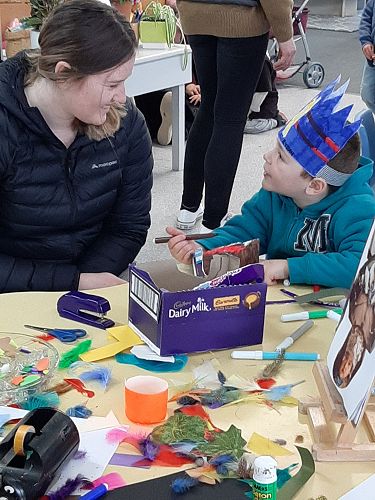
- Early Childhood Education: experience at a kindergarten and study ECE by distance
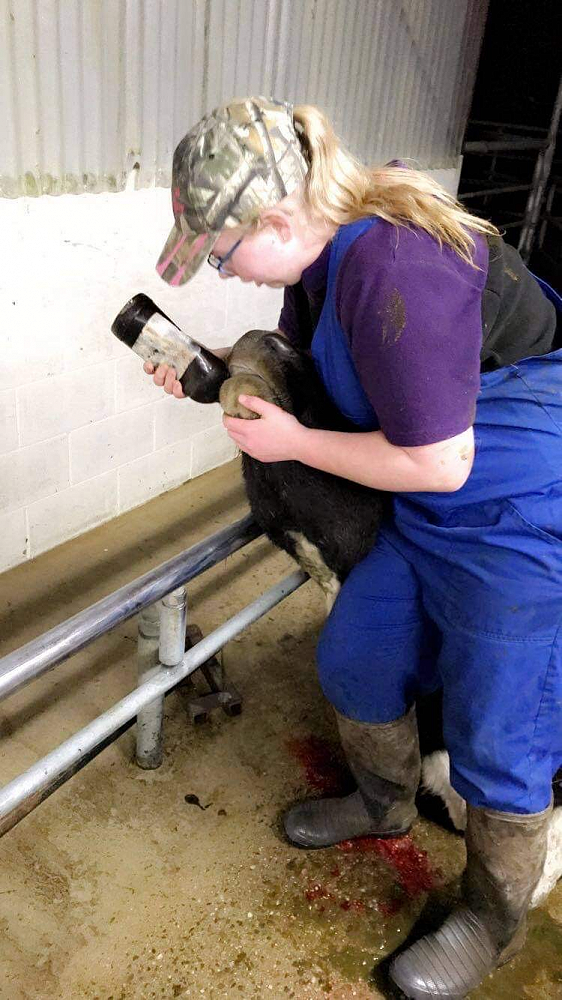
- Dairy farming: work on a dairy farm and complete Telford courses by distance
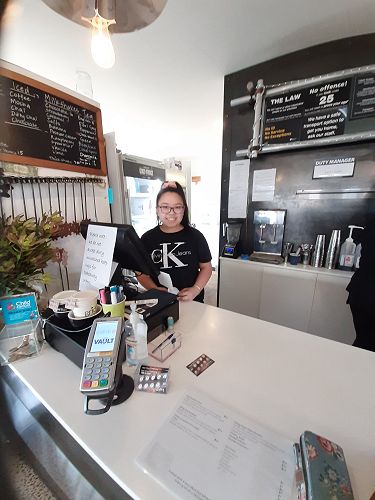
- Cafe and restaurant work: work in a cafe and complete distance learning relating to food preparation and food safety
- Veterinary nursing: work experience at a vet practice and complete distance learning through Telford agricultural college.
- Retail: work experience at The Warehouse, Warehouse Stationery, Countdown or Farmers and gaining credits by learning about working in the retail sector.
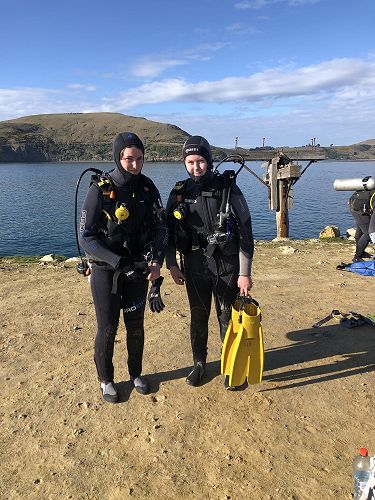
- Underwater Diving: a student completed a diving course through the Otago Dive School in Dunedin. The cost of the course was subsidised by WGHS and the student’s family provided transport to the course each week.
In summary some benefits of Gateway programmes:
● Can bridge the gap between school and work
● Gives employers a chance to train and trial prospective employees
● Can lead to employment for the school student if the employer is impressed by their work
● Opportunity for students to develop “work ready” or “employability skills” such as communication skills, punctuality, teamwork, being reliable.
For more information, ask or send an email to:
Gateway Coordinator (Mrs Ambler), Pathways Coordinator (replacement to be advised) or Careers Adviser (Mrs Hay).
Gallery