Senior Syndicate School Creek Scientists
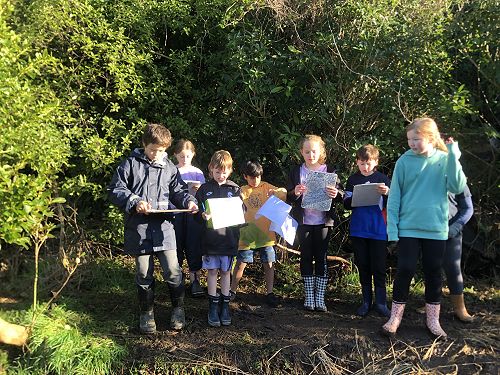
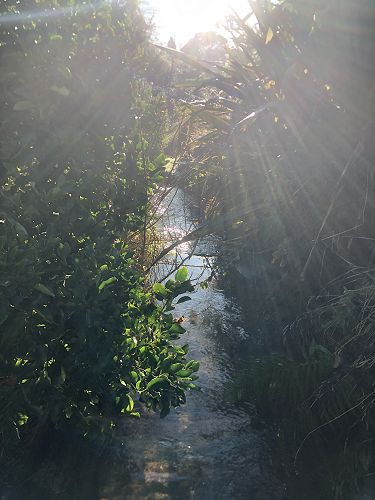
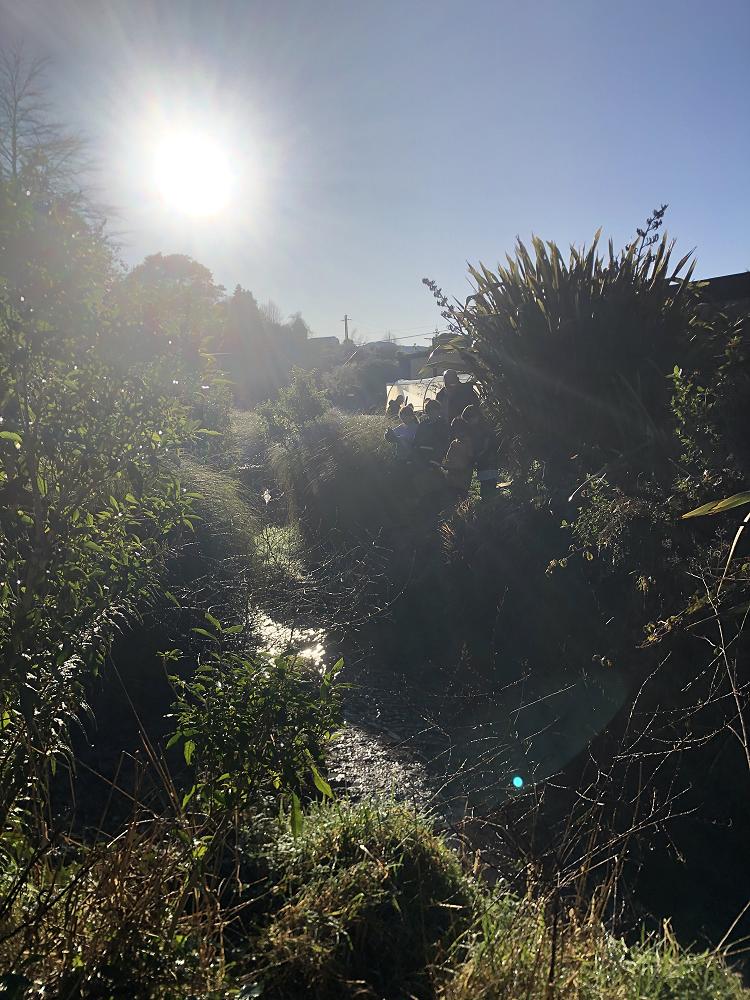
The Senior Syndicate have conducted a stream health assessment of our local awa, School Creek. Check out the results below...
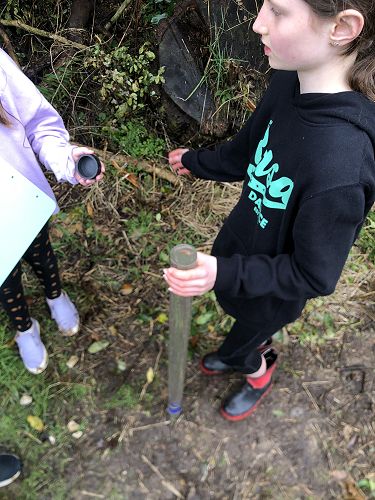
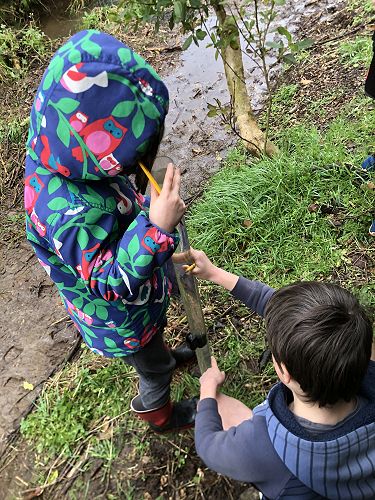
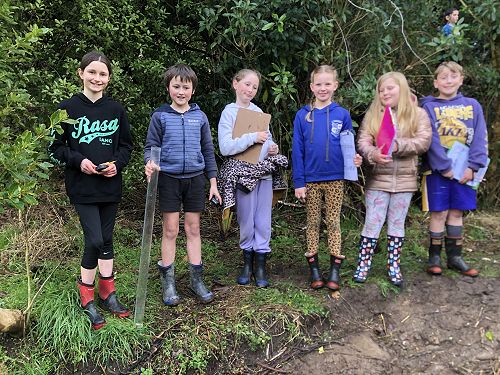
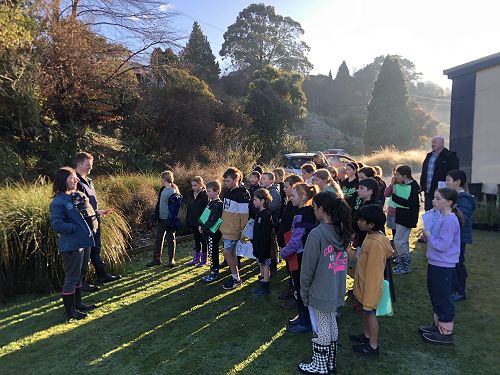
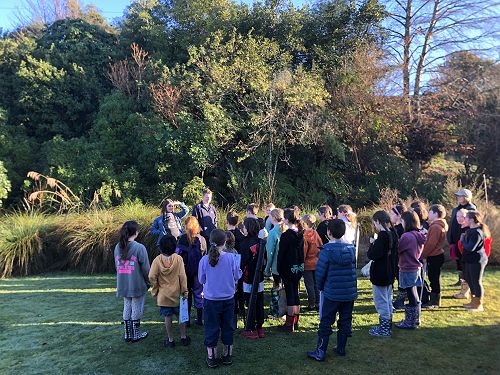
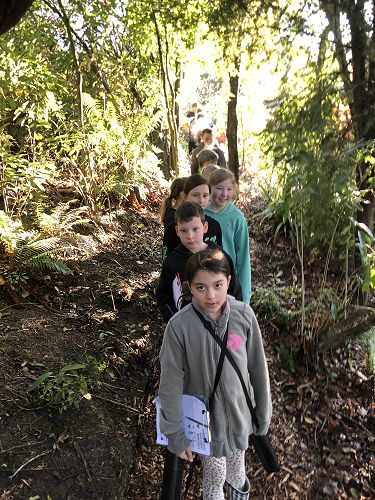
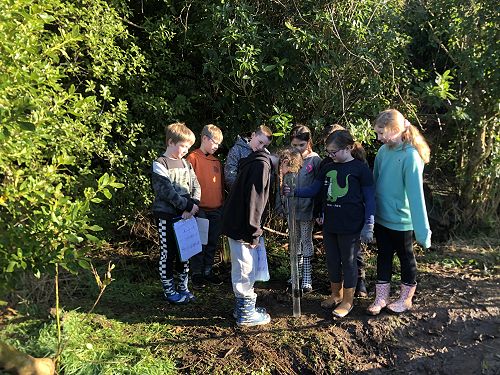
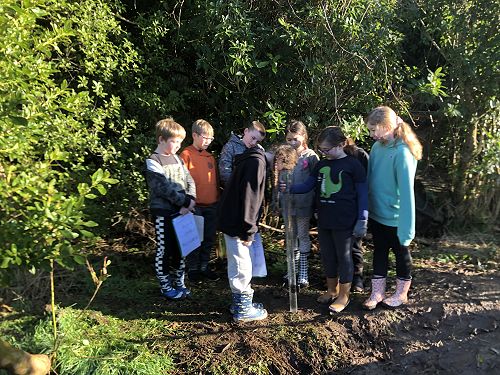
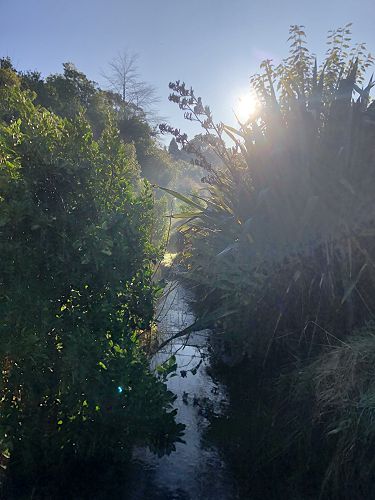
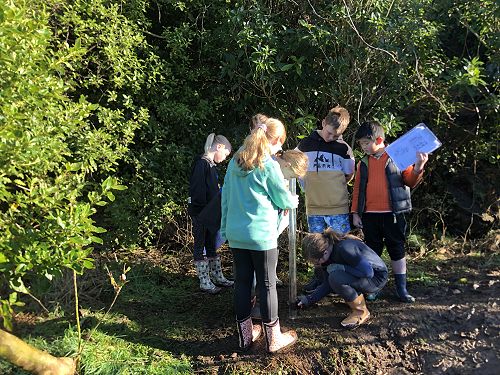
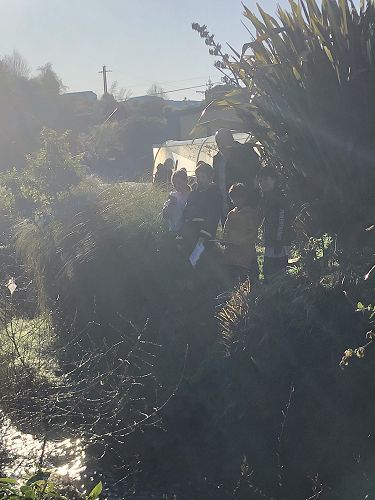
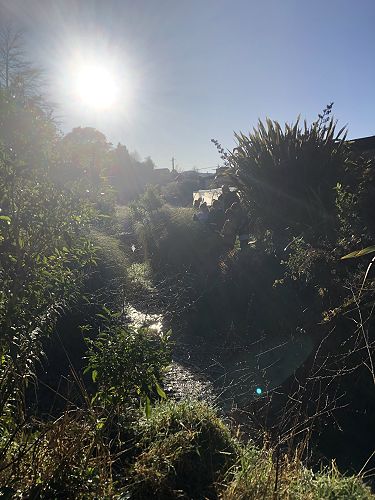
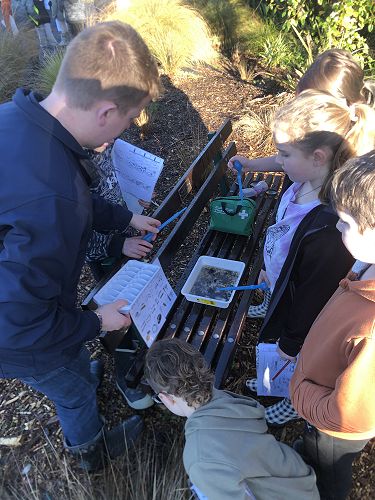
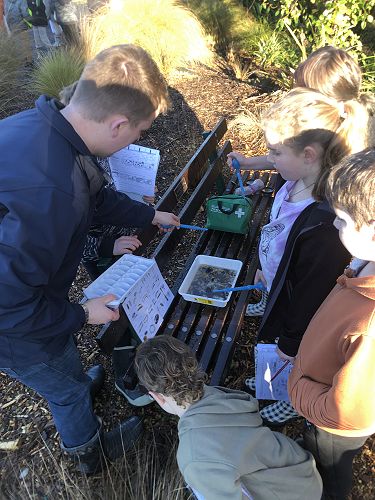
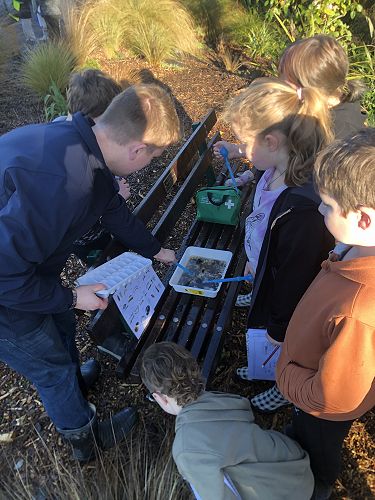
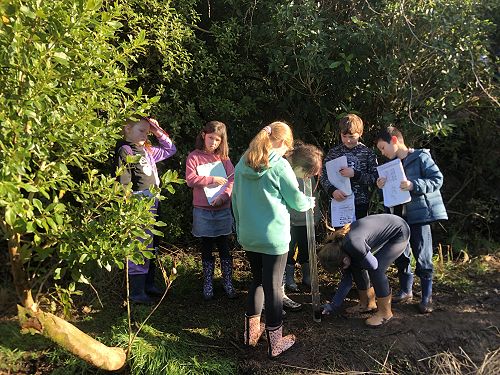
On the 26th of July, Room 7 of Wakari school went to School Creek. The main type of land there is trees , bushes , grass , houses and roads. The mauri (life force) of the stream is okay because there is mud killing the invertebrates (bugs with legs). There is not much algae which is excellent!. In the water there are only runs and pools which is poor. Some of the school stream is shaded which is okay. The water temperature is excellent. It was 9 degrees celsius. What most of room 7 saw was clarity between 70 - 100 cm. That means the water is very clear and that is good. The turbidity on test number 1 was 5.90 NTU. We had to suck up some bugs from a tray of water and squirt the bugs into an empty ice cube tray. There was a mixture of bugs, more less sensitive invertebrates and least sensitive invertebrates. Some of the bugs we found were mayflies, snails, worms and catiflys. The human impact was impacts from animals. Overall I think the mauri (life force) of the stream within it is okay because of the amount of mud and shade.
By Emma-Lee Jones
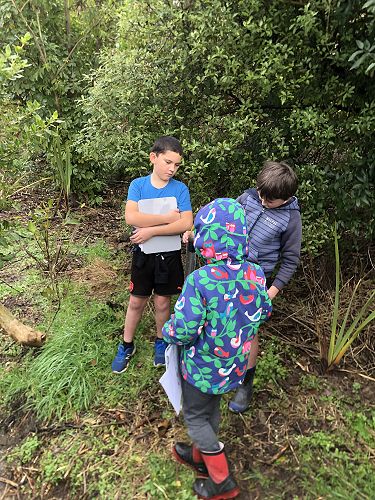
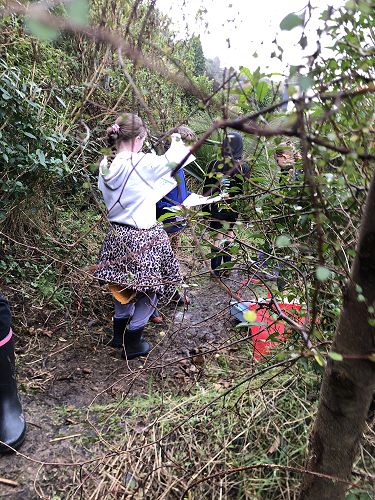
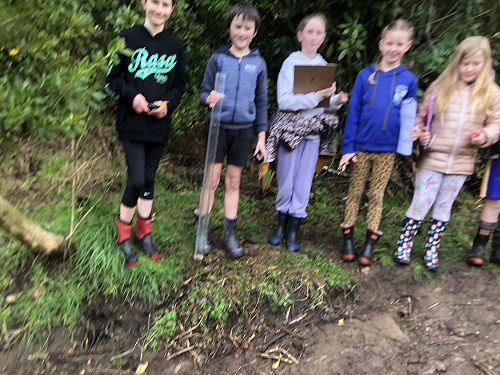
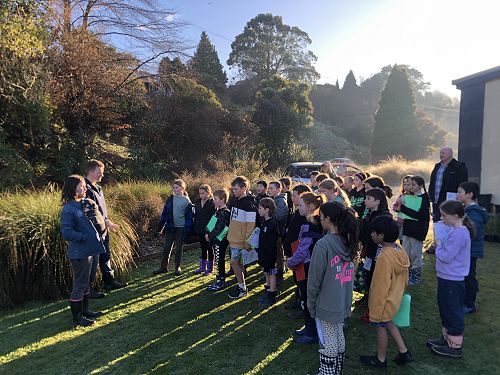
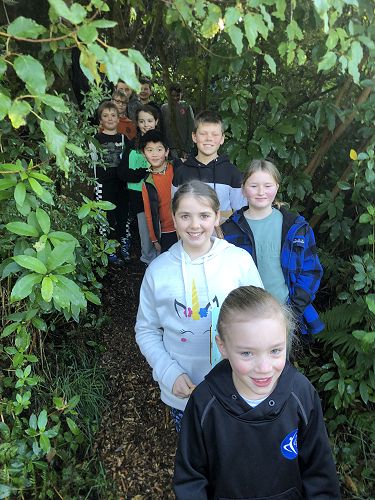
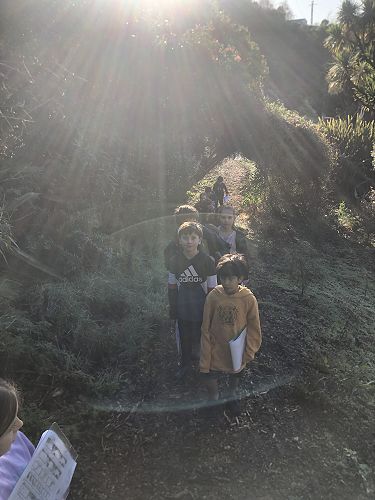
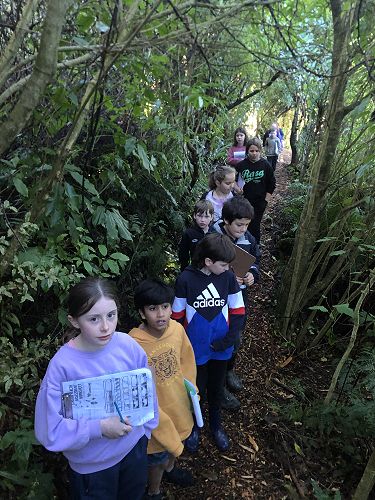
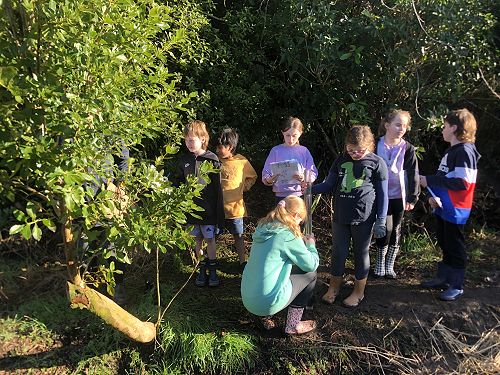
Last week for the seniors they had an exciting creek visit. We had to wear gumboots and warm clothing. We went to School Creek where we tested the water and wrote in our booklets that we were given at the start of the day. We also sketched the creek in the back of our booklets. We had to write our guess of how many centimeters we thought the creek's clarity was. Also we had to write our suggestions of how good the creek bed was and the algae, ripples, shade and the stableness of the bank. We got to look at the bugs that live in the School Creek. Overall we found out the School Creek was okay and we’re going to teach people how to fix it.
By Bonnie Fraser
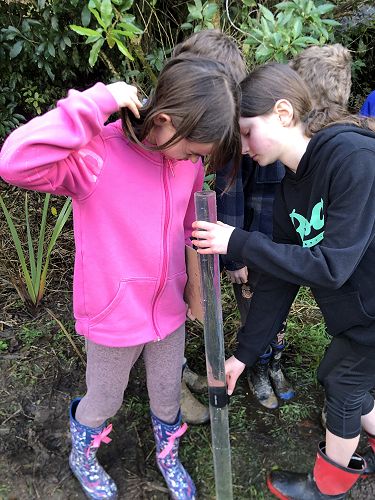
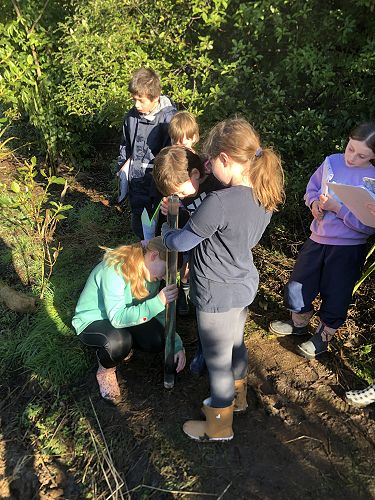
When we went to School Creek we examined the stream erosion and amount of algae and how big pebbles were as well as shading. We also tested runs, pools, and riffles and we wrote our data in our Stream Health Assessment Worksheet. We rated it with the stats Excellent, Okay, and Poor. We also measured the amount of Sensitive and Non Sensitive bugs in the stream along with the turbidity of the stream which is the amount of salt in the stream. We also measured the conductivity of the stream and we also measured the Water Clarity by using a tube to measure the water clarity. Some human impacts on the stream are Storm water drains, impacts from animals, culverts and straightened streams. We also drew a diagram of the stream showing what it looks like and we also labeled everything. We all had a lot of fun testing the stream and we got good results. Everyone was happy that we got good results on the stream.
By Roland Evans
Gallery