
Who is in charge? Who should be in charge?
When your child is 3-5 months old, the above message is very cute. However when your child is 3 to 5 years old if this is still the case then it could be quite scary. And if this is the case when your children are in their teens then it could be down-right dangerous.
In years gone by the 'Man' of the house made the majority of decisions, including those pertaining to household expenditure, discipline, before and after school activities, while wives and children obeyed his commands and children were seen but rarely heard. Oh my goodness how things have changed.
What I am now seeing and hearing more and more (via my observations and conversations, plus the Blogs and readings that I subscribe to), is a dramatic move - the pendulum of control is swinging too far in the other direction. Some children are being allowed to be overly demanding and make many decisions well beyond their ability to comprehend the wider implications (financially, emotionally and socially) that those decisions may have on themselves and others.
Children need boundaries. Children need adults who will 'put the brakes on' for them, because children are children and they often have little comprehension of the big picture. Let's take for example bed times - establishing a routine for the evenings gives children a huge amount of security. They learn that dinner, bath/shower, teeth, toilet, bedtime story, all happens roughly at the same time each night. However the child that has control over the TV remote, the iPad, eating time, the toys and their total after school time frame can end up as an anxious, unhappy and very controlling child. When the decisions made by adults are haphazard the natural defence for children is to try to take charge themselves - and they do that by trying to get their own way about everything!
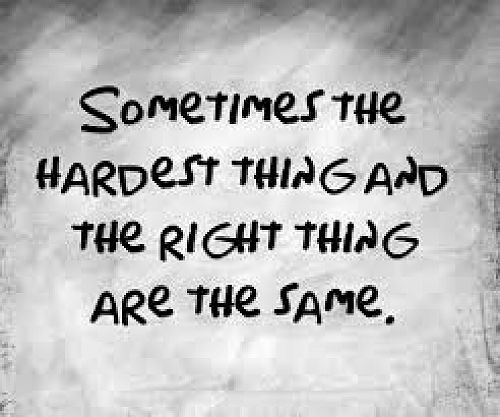
Children need to know that the adults in their life will make decisions that keep them safe. The earlier parents begin to do this the more secure the child becomes. They learn to trust, which helps them to be able to take risks and learn from their mistakes as they grow. Very strict boundaries are better than no boundaries, but reasonable, caring, consistent and clear boundaries are the best.
Having firm boundaries should not be confused with making every decision for your child, as it is equally important to give children choice. Choice is vital for them to grow their independence, and as I have said, to learn from their mistakes. Some parents think that being their children's best friend is the most important aspect of the parent-child relationship so they shy away from making those hard decisions (you will eat a small piece of carrot, broccoli, go to bed at an appropriate time) and allow the children to become dictatorial and controlling (which is really 'out of control'). Parents run the risk of becoming their child's personal slave - carry my bag, fetch my books - instead of the child learning to take responsibility for their own equipment and chores.
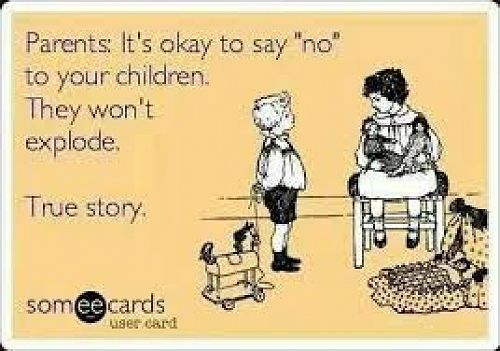
Below is a link to a great article which spells out in more detail the benefits of being the boss of your children, and the dangers of trying to be their equal. Being the boss is not a negative thing - it is the job of a parent because after all, you are the adult. It points out that if you get the balance right when children are young it is a lot easier to keep the balance right as they approach and work through puberty. As I said to a parent many years ago, 'Ten is your current 5 year old with 5 more years of practice, and then imagine them at 15'. You are allowed to say, 'No' but please ensure you stick to that 'No' as every time you then give in, you give your child more power the next time they disagree with your decisions - a sure path to grow tantrums, and a 15 year old having a tantrum is not pretty.
Your Child is Not Your Equal: Why You Have to Be the Boss
As always I am happy to discuss any points raised in this article. My intention is never to preach, rather it is to provoke discussion and thinking.
Ka kite ano
ja:)
Gallery