Norma Rose Point School- Vancouver.
Norma Rose Point School is located on Musqueam land, within the University Endowment Lands, neighbour to the University of British Columbia (UBC).
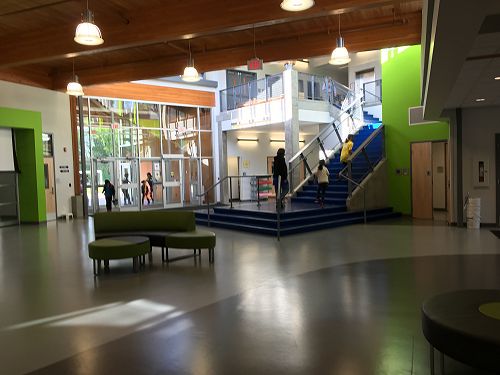
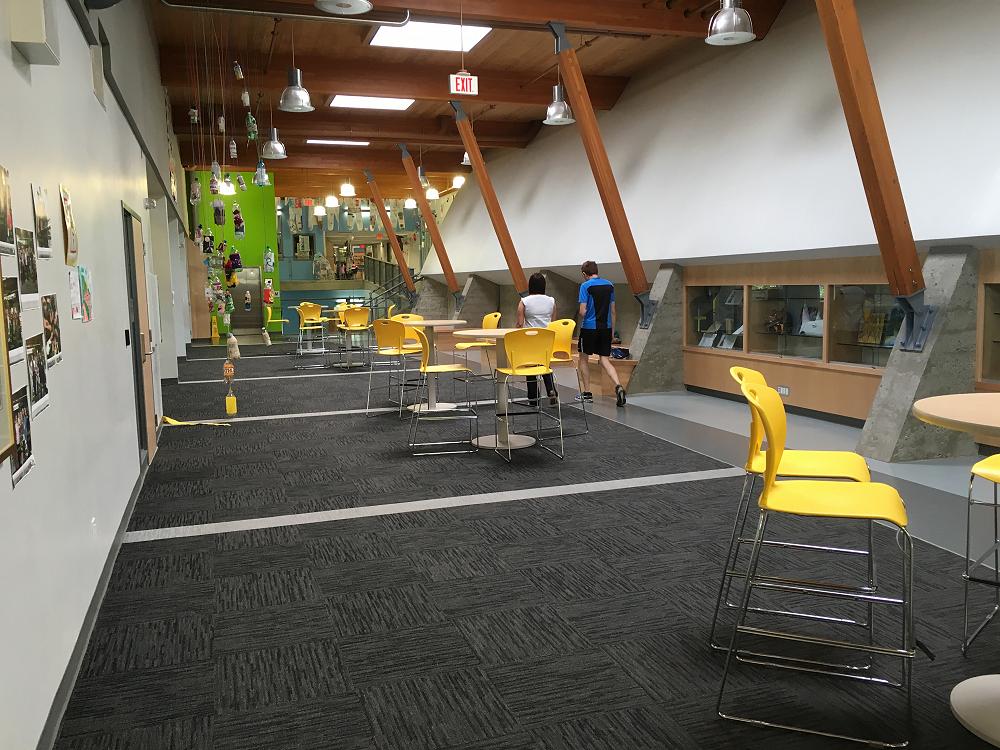
A new school, it was built to cater for the growing UBC community, and initially opened in portables in September 2011 to accommodate an overflow of students unable to be catered for in local schools. In September 2014, the school opened in its new state of the art buildings with 500 K-8 students . The $29-million Norma Rose Point school was constructed on the former University Hill Secondary site. As a combined elementary and middle school, the facility has the capacity for 860 kindergarten to grade 8 students.
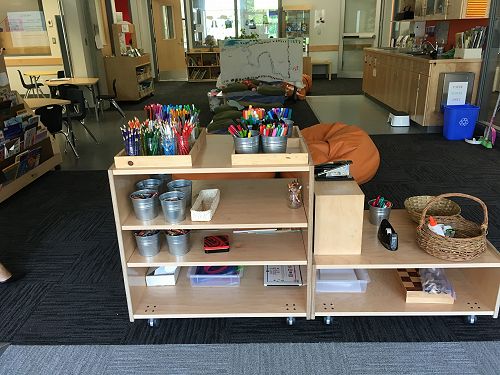
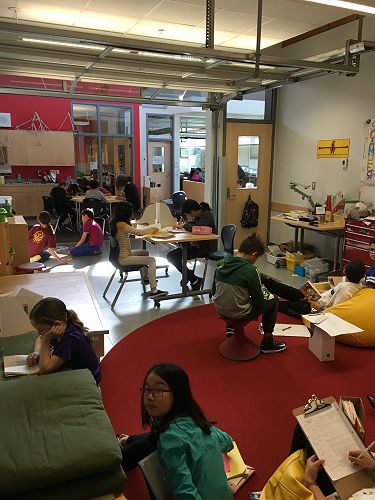
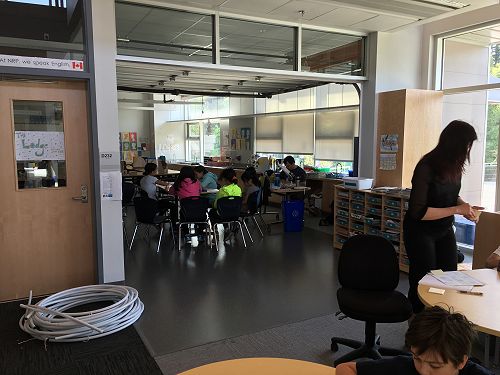
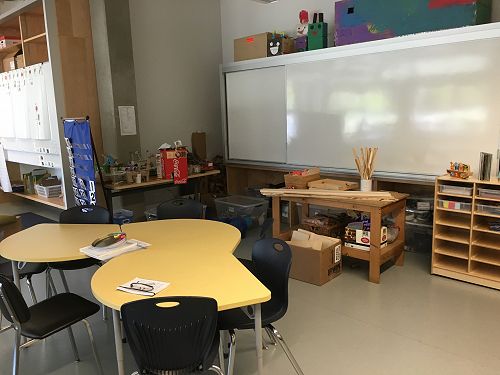
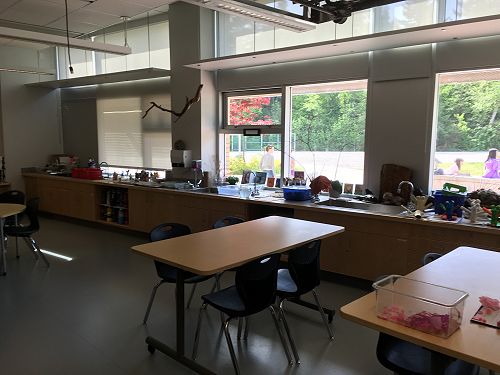
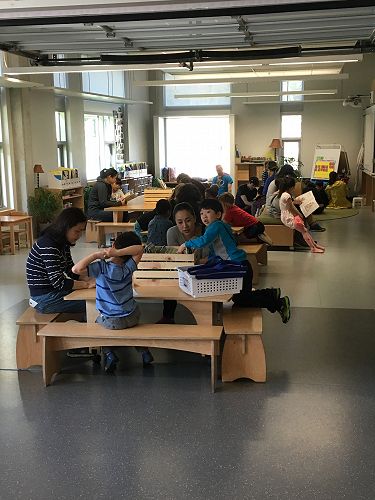
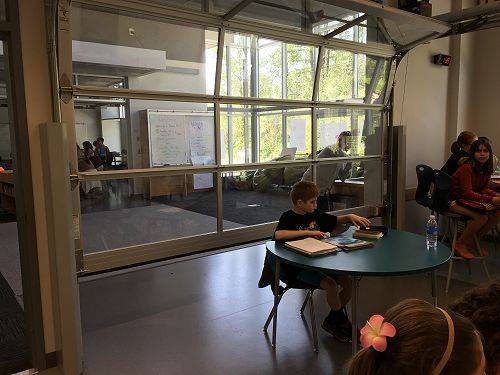
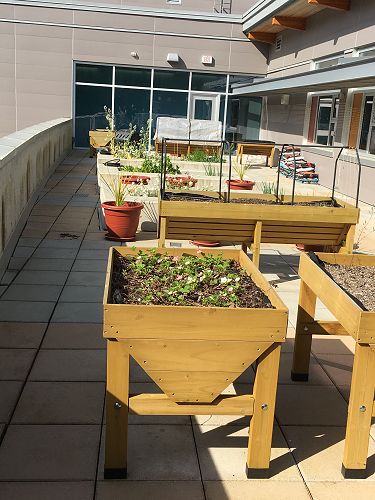
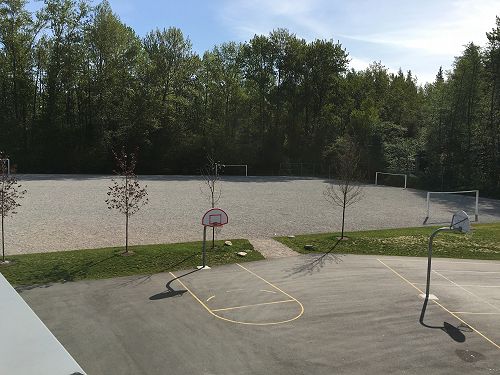
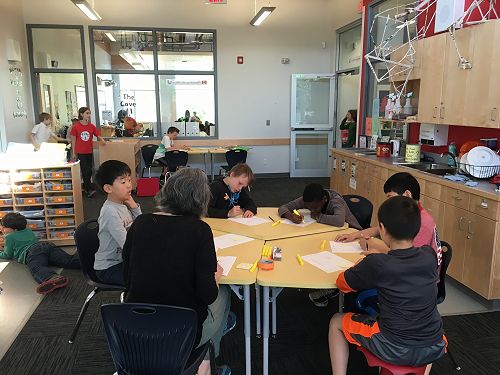
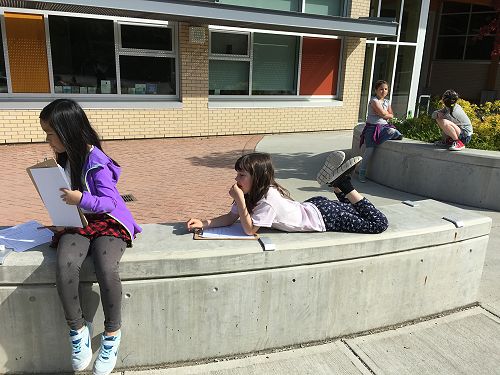
Each learning community is designed for four teachers and their home classes. Due to the inclusion of the Middle School students the school has a digital media lab, food technology kitchen and a music room. It is all wired to allow for the use of integrated technologies. Other interesting features include outdoor classrooms, a greenhouse and a terrace for lessons on environmental sustainability. Because of the high cost of maintaining grass the soccer field is gravel.
The school has two gymnasiums that are available for community use: a spacious main gym renovated from the previous University Hill Secondary, and a new gym which can be used for multi-purpose performances with theatrical lighting, a large projection screen and blackout blinds.
As a new school, key work is continuing to be done on trialling systems and structures to establish how teachers will work together. Because of strong unionisation of the profession in Canada, the prevailing belief in a teacher’s professional autonomy exerts a strong influence on how a school is structured, how decisions are made and where Administration (leadership) can exhibit any influence on teaching and learning in individual classrooms. It can be very difficult for the organisation to develop a sense of shared vision or learning beliefs/protocols across the school because of the autonomy of teachers to direct their own teaching practices, make their own pedagogical decisions and drive their own professional learning journeys.
I admire the work of Rosa Fazio, Principal of Norma Rose, who is widely networked, involving herself in collaborative learning opportunities with the District Education department and the University of BC. She works at finding ways to ensure her staff have access to up to date research and new ideas to challenge their thinking . Not having the more formal tools of a rigorous teacher performance management system underpinned by school based professional learning norms, she relies on 'influence' as a key tool to build a sense of a shared learning community.
I was impressed by the commitment of many of the teachers I spoke with, to work in collaboration with their peers; to find ways to ensure "the whole is greater than the sum of the parts", in spite of the potential barrier strong teacher autonomy can cause in these settings.
Gallery