Year 5 Literacy
Reading
In Year 5 your child will be learning to:
- read for longer periods of time
- choose stories that support their learning and choose stories to read for fun
- choose what reading skills they use when they have difficulties and when they are reading harder stories – e.g., rereading parts they don’t understand
- work out words they don’t know by using other words around the problem, pictures or other clues
- understand and discuss the different levels of meaning a story can have – e.g., understanding hidden meanings
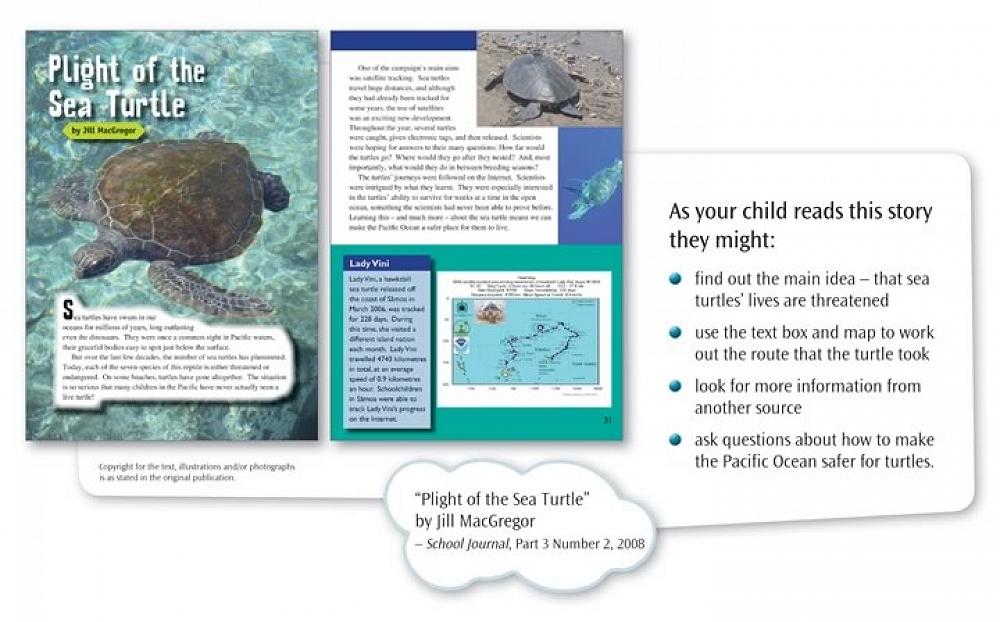
- read different stories about the same topic, and be able to pull this information together to express an idea, or write on a topic
- ask and answer questions about things they read
- discuss the way authors have made choices when writing – about the words, places, characters and ideas the authors have chosen.
By the end of the year they will:
- be working towards reading at curriculum level 3
- be reading and understanding a variety of fiction and non-fiction stories to support their learning in all areas of the curriculum.
Reading at Home
Talk about reading
- Ask your child what they are reading
and talk about their ideas:
- what is the ‘picture’ they have of particular characters?
- are there people like that in their family or whānau?
- what do they want to find out from the book?
- what are the important messages?
- what do they think is going to happen next?
- what else do they need to know to understand the story or topic?
- Talk about books on similar topics. This helps your child to pull together ideas from different places.
- Talk about different types of stories that are read or spoken. Newspaper articles, internet sites, whakataukï (proverbs), comics, bible stories, songs, waiata or novels will each have different points you can talk about together. Find a newspaper article you’re both interested in and talk about what it means to each of you.
- Help your child to share their thinking. Get them to share opinions and talk about why they think that. Listen, even when you don’t agree with their ideas.
Give your child space
and time to read.
Reading longer books
they have chosen
needs plenty of time.
Read together
- Find out information together from different places. For example, manuals, dictionaries, the Internet, magazines, television guides, atlases, family tree information, whakapapa.
- Play games that involve reading in a fun way.
- Encourage your child to read to others. Younger brothers and sisters, whānau, or grandparents are great audiences for practising smooth and interesting reading out loud.
- Visit the library regularly. Help your child choose books they’re interested in (about hobbies, interests or who they are and where they come from) or encourage them to get books out that are about what they are studying at school. They may need you to help by reading to them, as well.
- Find books of movies or TV programmes. It can help your child to learn different ways to tell the same story if they read the ‘stories’ they have watched.
Keep the magic of listening
to a good story alive by
reading either made up,
retold or read-aloud stories
to your child – with lots of
excitement through the use
of your voice!
Be a reader yourself
Talk about what you are reading and why you are enjoying it or what is challenging about it. Read a book to your child that they might find difficult but want to read, and talk about it as you read. Use your first language whenever you can – it can help your child’s learning.
Read the same book or magazine as your
child. You can then share your ideas about
what you have read. You could talk about
why the authors made the choices they did
when writing the story.
Writing
In Year 5 your child will be learning to:
- use different ways to think about, plan, organise and communicate experiences, information and ideas
- use words and phrases that are about a topic and chosen for the audience
- choose the best way to express their message or ideas in writing
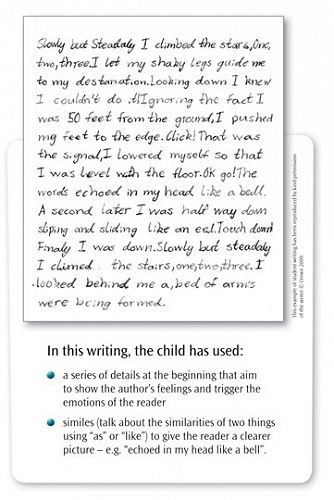
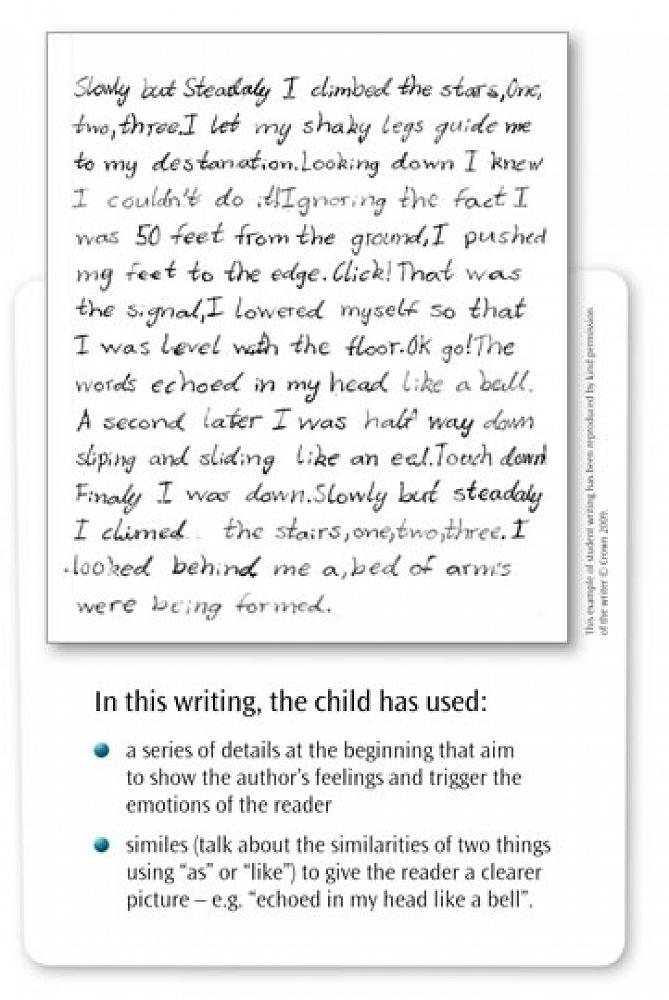
- organise their writing, use detail to support main ideas and paragraphs to group their ideas
- improve the clarity and impact of their writing, often after feedback from others
- check their own writing for correct spelling, grammar and punctuation
- choose the best way to publish their writing, including computer technology, print, charts and diagrams.
By the end of the year:
Your child’s writing will show how they are thinking
about, as well as describing, their experiences and
the information that they have got from talking,
listening and reading about topics in all areas
of the curriculum.
Writing at Home
Make writing fun
- Writing about their heroes, sports events, tīpuna (ancestors), hobbies and interests helps your child to stay interested in what they are writing about.
- Play word games and do puzzles together to help your child learn more about words and spelling.
- Have interesting paper and pens available or help them make a special book to write in.
- Write to your child, or give them jokes, cartoons or short articles from the newspaper you think they’ll like to read.
- Play with words. Thinking of interesting words and discussing new ones can help increase the words your child uses when they write – look words up in the dictionary or on the Internet, or talk to family and whänau members to learn more about the background and the whakapapa (origins) of the words.
Write for a reason
- Encourage your child to write emails, invitations, thank you letters, poems, stories or postcards to friends, family and whānau – make it fun.
- Ask your child who they would like to write to. It is helpful if what they write is given or sent to others.
- Help them to write about their experiences, family and friends or holidays.
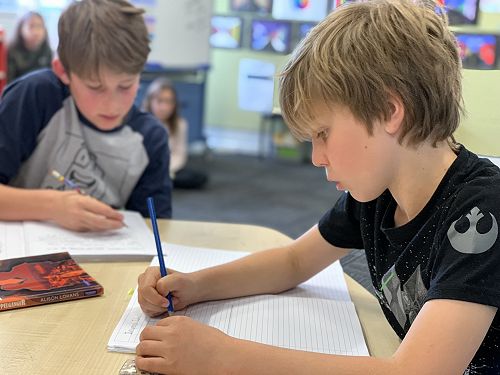
- A diary or journal – on paper or on a computer – can help your child to write about their experiences and their own feelings about things that have happened at school, at home, in the world, on the marae, at sports events and on TV.
Keep writing fun
and use any excuse
you can think of
to encourage your
child to write about
anything, anytime.
Talk about their writing
- Talk about ideas and information they are going to write about. Talk about experiences, diagrams, graphs, pictures, photos and material that your child is planning to use for school work. Discussing the information and main ideas can help their planning for writing and their understanding, too.
- Share enjoyment of their writing. Read and talk about the writing that your child does. Give praise for things they have done well to support their learning.
- Play with words. Thinking of interesting words and discussing new ones can help increase the words your child uses when they write.
- Share your own writing with your child – lists, planning for family events or an email. You can help them to see that you too use writing for different purposes.
Gallery