
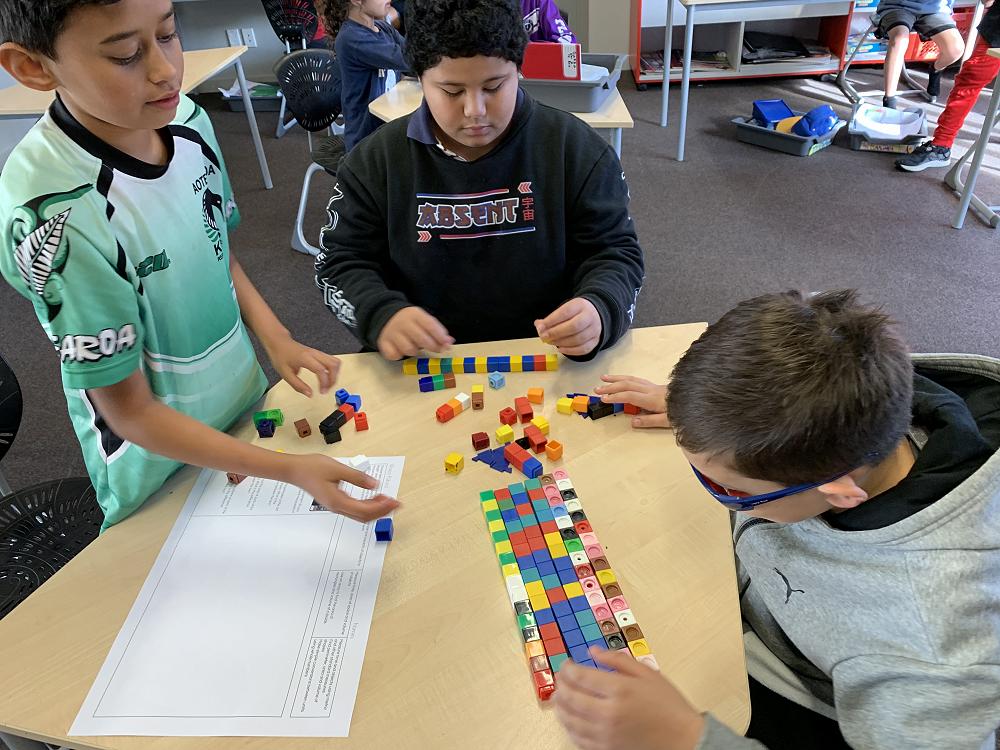
Photo by Rebecca McColgan
Year 5 Mathematics
In Year 5 your child will be learning to:
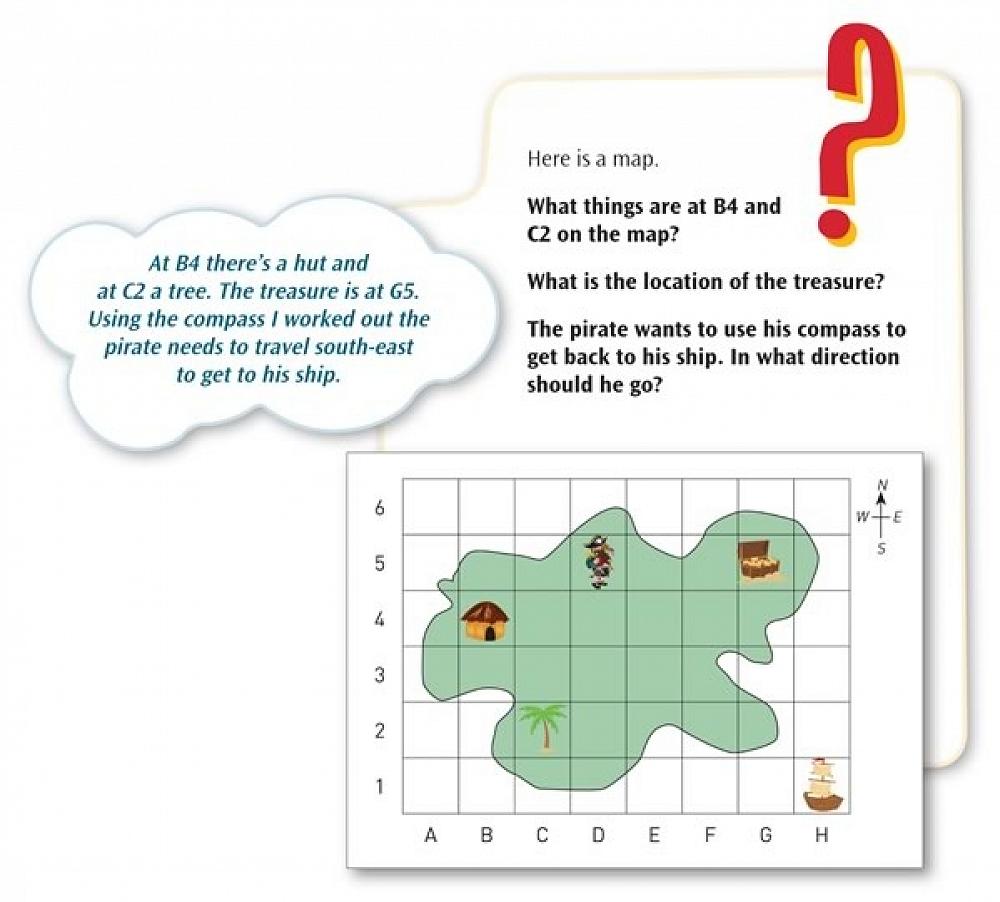
- choose an appropriate method to solve problems (using +, – , x , ÷) and clearly explain their methods to other people use their known basic facts to work out unknown facts and to find fractions of sets, shapes and quantities sort 2D and 3D shapes and justify how they have been grouped use grid references on maps and points of the compass to describe the location of objects measure the size and capacity of objects explore the concept of chance by listing all of the possible outcomes investigate questions, show the information and discuss the data.
This is a small part of the skills and knowledge your child is learning in order to meet this standard.
By the end of the year they will:
- be solving realistic problems using their growing understanding of number, algebra, geometry, measurement and statistics.
- be solving problems involving several steps, for which they need to choose the most appropriate method to help them solve the problem. They will be learning a range of approaches to solving problems.
Talk together and have fun with numbers and patterns
Help your child to:
- count forwards and backwards (starting with numbers like 10,098, 10,099, 10,100, 10,101, 10,102 then back again)
- find and read large numbers in your environment e.g., nineteen thousand, three hundred and twenty-three
- learn number pairs to 100 e.g., 81 and what equals 100?
- read car number plates, look at the car’s odometer to see how far you’ve gone
- work out patterns – make codes from numbers.
Being positive about mathematics is really important for your child’s learning – even if you didn’t enjoy it or do well at it yourself at school.
Use easy, everyday activities
Involve your child in:
- making and organising lunch or a meal for a party or a hui, including equal sharing of fruit/biscuits/ sandwiches/drinks
- helping at the supermarket – choose items to weigh. Look for the best buy between different makes of the same items (breakfast cereal, spreads like jam or honey), including looking at the ingredients per serve
- practising times tables – check with your child or their teacher which times tables you could help your child with
- telling the time e.g., 5 past, 10 past, 20 past, ¼ to, 25 to...
- noticing shapes and numbers when you are reading together.
For wet afternoons/school holidays/weekends
Get together with your child and:
- play card and board games that use guessing and checking
- do complicated jigsaw puzzles
- look through junk mail – find the most expensive and cheapest item advertised or make into strips to make a woven mat
- make a roster for jobs around the house
- plan for a special event on a budget; e.g., afternoon tea for a grandparent, teacher or family friend
- play outside games – cricket, basketball, mini-golf, soccer and milk bottle bowling
- bake – follow a simple recipe (scones, pikelets)
- use blocks that fit together to make a model. Draw what it looks like from each side and above. Then draw what they think it looks like from underneath. Once finished, check the underneath of the real object against the drawing
- make water balloons and see how far you could throw them (outside!!) and how far the water splatters
- collect the family and whānau
birthdays and put in order – make a
reminder calendar for the year.
The way your child is learning to solve mathematics problems may be different to when you were at school. Get them to show you how they do it and support them in their learning.