
Health Curriculum Consultation
The YMS Board would value your input into the review of our school's Health Curriculum. Please take the time to fill in the online survey.
Kia ora YMS Whānau
Thank you for taking the time to read and consider the following information.
As you will be aware health and wellbeing are more important than ever for our tamariki. This is a big topic and so the following article is quite long.
If you would prefer not to read the entire article then please feel free to go straight to our
Health and P.E. in the YMS Curriculum Survey
where the YMS Board invites you to comment on the construction and delivery of Health Education at YMS. The survey will remain open until Monday 26 June 2023.
Please note that physical education is included under the umbrella of health education.
The purpose of this consultation
The New Zealand Ministry of Education acknowledges the growing concerns about climate change and the impact of the recent global pandemic, COVID-19 as well as an awareness of changing family structures, shifting social norms in relation to gender and sexuality, the rise of social media, and the increased use of digital communications and devices. It acknowledges the increased calls for social inclusion and for the prevention of bullying, violence, and child abuse. It recognises the importance of social and emotional learning for healthy relationships.
And so:
Section 60B of the Education Act 1989, as amended by the Education Standards Act 2001, requires the Boards to produce a written statement, following consultation with the school’s community, about how the school will implement health education once every two years.
In response to this requirement the YMS Board wishes to consult with parents, caregivers, students and staff about the health learning needs of our students. Information from the consultation will be considered when reviewing the construction and provision of our YMS Health and Physical Education Programme. The YMS Board would value your input.
Health and Physical Education at Yaldhurst Model School
Our delivery of health education is underpinned by the values of Yaldhurst Model School. Our students are taught and supported to be Healthy Individuals, Enthusiastic Learners, Responsible Citizens and Open-Minded Explorers.
Health and Physical Education Programme Implementation
Four underlying and interdependent concepts are at the heart of this learning area:
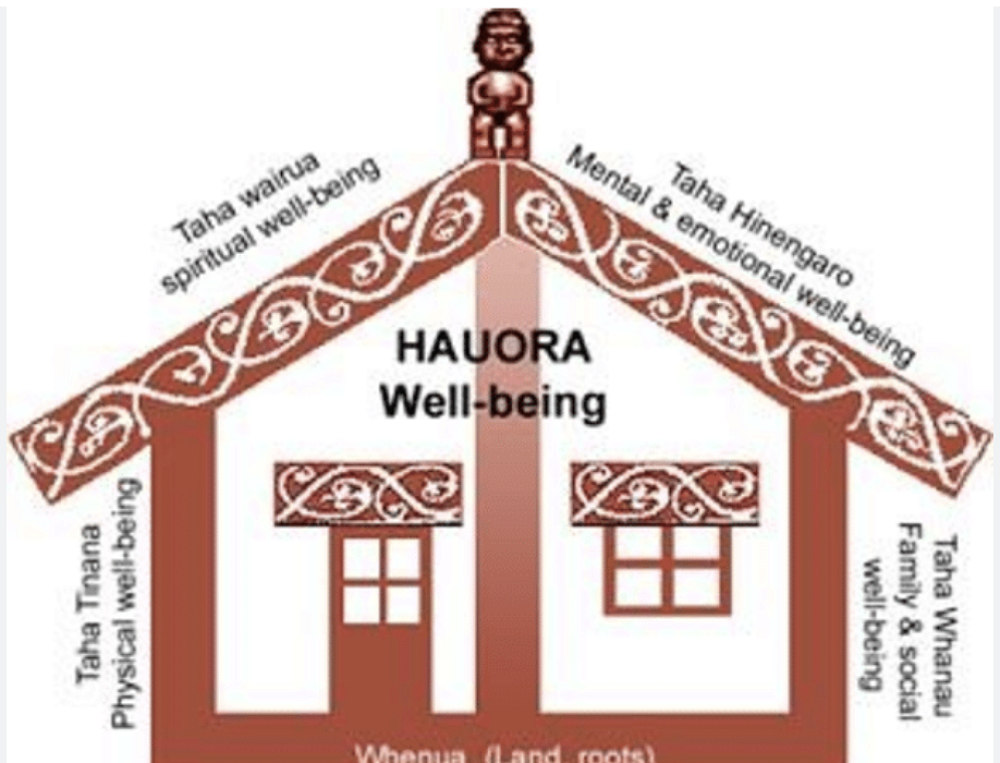
Hauora– a Māori philosophy of well-being that includes the dimensions taha wairua (spiritual health), taha hinengaro (mental health) taha tinana (physical health) and taha whānau (family health). Each one influencing and supporting the others based on Te Whare Tapa Wha.
Attitudes and values – a positive, responsible attitude on the part of students to their own well-being; respect, care, and concern for other people and the environment; and a sense of social justice.
The socio-ecological perspective – a way of viewing and understanding the interrelationships that exist between the individual, others, and society.
Health promotion – a process that helps to develop and maintain supportive physical and emotional environments and that involves students in personal and collective action.
The learning activities in health and physical education arise from the integration of the four concepts above plus the following four strands, and seven key areas of learning.
The four strands are:
Personal health and physical development, in which students develop the knowledge, understandings, skills, and attitudes that they need in order to maintain and enhance their personal well-being and physical development
Movement concepts and motor skills, in which students develop motor skills, knowledge and understandings about movement, and positive attitudes towards physical activity
Relationships with other people, in which students develop understandings, skills, and attitudes that enhance their interactions and relationships with others
Healthy communities and environments, in which students contribute to healthy communities and environments by taking responsible and critical action.
The seven key areas of learning are:
mental health
sexuality education
food and nutrition
body care and physical safety
physical activity
sport studies
outdoor education.
Programmes we currently deliver at Yaldhurst Model School as part of our Health and Physical Education Curriculum:
- Life Education - topics such as food and nutrition, friendships, human body, relationships)
- Kia Kaha (Police Education - Anti-bullying)
- Keeping Ourselves Safe (Personal Safety)
- Sun Safety
- Road Safety and Bike Safety
- Water Safety and Aquatics
- Nutrition and Healthy Eating
- Wellbeing (Pause, Breathe, Smile, Mindfulness, Zones of Regulation)
- Sexuality Road (friendships, different kinds of families, respect for each other, pubertal change and body development and body image)
- DARE (Drug Education)
- Cool Schools Peer Mediation
- Cyber Smart
- Variety of sporting opportunities and events including athletics and winter sports competitions
- Run, throw and catching skills sessions
- Education Outside the Classroom (e.g. school camps, beach activities, and trips to local places of interest etc...)
In addition, we also manage our Health Curriculum through:
School Policies and Practices such as Sunhats - Terms 1 and 4
- Positive Behaviour for Learning (PB4L) and a focus on our school values
- Enviro Schools (Healthy Communities and Environments)
- Zones of Regulation check-in each day for all students as part of class community time
- Mana Ake social skills support for individuals and small groups
How we deliver these programmes?
There is a daily emphasis on health and wellbeing via check-ins for Zones of Regulation, an emphasis on Positive Behaviour for Learning (PB4L) and opportunities for daily fitness and weekly physical education. We also have a yearly timetable wherein specific programmes are covered on a two year rotation.
We also teach when the needs arise: Our teachers are responsive to the social needs of students and will take the opportunity to deliver needs driven lessons for individual, small group or the whole class as the needs arise.
Recent examples being guidelines around respecting the fences that have been erected as part of the rebuild programme and including others in games at playtime.
A more serious example occurred last year when a particular 'reality' television programme became popular with some of our students. Some students began to play a violent game based on the programme. Our teachers responded by teaching our students that this game, and its values, were not acceptable.
Positive behaviour for learning (PB4L) supports the delivery of the health and curriculum and all curriculum by creating a safe and supportive environment to enhance learning by building positive and respectful relationships.
Te Kura Tuatahi o Ōhinehou Health Long Term Plan
The teaching of the health curriculum is planned over a two year cycle with consideration to school and community needs.
Ngā mihi
Allan Robertson
Tumuaki - Yaldhurst Model School